How to Build an Effective Programmatic Advertising Strategy

Programmatic Advertising Strategy has transformed the digital marketing landscape, making it easier than ever to reach the right audience at the right time. However, leveraging its full potential requires more than just access to a demand-side platform (DSP). To truly harness the power of programmatic ads and drive measurable results, you need a well-defined strategy.
This guide will walk you through the essential steps to develop an effective programmatic advertising strategy that maximizes ROI, minimizes ad spend waste, and connects you with your ideal audience.
What Is Programmatic Advertising?
Before diving into strategy, let’s clarify what programmatic advertising is. Simply put, programmatic advertising is the automated buying and selling of digital ad space through algorithms. It eliminates the need for traditional manual processes, making it faster and more efficient to serve the right ad to the right user.
From display ads to video, audio, and native advertising, programmatic platforms allow marketers to bid on and secure ad inventory seamlessly in real-time. Think of it as adding laser precision to your digital marketing campaigns.
Now that you know what programmatic advertising is, here’s how you can build a strategy to make it work for you.
Step 1: Define Clear Goals and KPIs
The foundation of any successful strategy is knowing what you want to achieve. Programmatic advertising can serve various purposes, from brand awareness to lead generation. Define your goals clearly and attach them to measurable Key Performance Indicators (KPIs).
Examples of goals and KPIs:
- Increase website traffic: Track visits and session duration.
- Generate leads: Measure form submissions, click-through rates (CTR), and cost-per-lead (CPL).
- Brand awareness: Monitor impressions, reach, and video completion rates.
Having specific goals ensures that your programmatic campaigns have direction and allows you to evaluate their performance accurately.
Step 2: Identify and Understand Your Target Audience

A key aspect of programmatic advertising is its ability to target highly specific audience segments. However, to use this feature effectively, you need a deep understanding of your target audience. Who are they? What do they value? And where are they online?
Actions to help define your audience:
- Analyze your existing customer base and build buyer personas.
- Study website analytics tools like Google Analytics to identify audience demographics and behavior.
- Use social media insights to gain additional data about preferences and habits.
The better you know your audience, the more personalized your ads can be, which in turn increases engagement and conversion rates.
Step 3: Choose the Right Platforms and Inventory
Not all DSPs and ad inventories are created equal. Your success lies in choosing platforms that align with your goals and target audience.
Popular DSPs to consider:
- Google Display & Video 360: Ideal if you’re looking for a comprehensive platform to manage cross-channel strategies.
- The Trade Desk: Known for its robust targeting capabilities and data integration.
- MediaMath: Great for advanced marketers aiming to fine-tune campaigns with precision.
Additionally, consider working with private marketplaces (PMPs) if you’re aiming for premium inventory to showcase your brand in a higher-quality environment. Premium placements often result in higher engagement but may come at a cost. Find the right balance based on your goals and budget.
Step 4: Leverage Data for Smarter Targeting
Data is the backbone of programmatic advertising. Platforms use first-party, second-party, and third-party data to target audiences. Here’s how to optimize your data strategy for precision targeting.
- First-party data: Use data collected directly from your audience. CRM databases, email lists, or website interactions are all valuable sources.
- Second-party data: Partner with publishers or external companies to leverage their audience segments.
- Third-party data: Use external data providers (e.g., Nielsen or Oracle) to enhance your targeting.
Also, take advantage of AI-powered tools to engage in predictive targeting, which analyzes historical behaviors to anticipate future user actions.
Step 5: Use Retargeting to Reconnect
Not every user converts on their first interaction with your ad. That’s where retargeting comes in. This essential tactic allows you to reconnect with users who have already engaged with your brand but didn’t take the final step.
Retargeting tactics:
- Use site retargeting to engage users who have visited specific pages on your website.
- Leverage search retargeting by targeting potential customers based on their search behavior.
- Incorporate CRM retargeting to reach out to existing customers with upselling or cross-selling opportunities.
Retargeting is especially effective for users who are in the consideration stage of the buyer’s journey.
Step 6: Optimize Creatives and Messaging
Your strategy isn’t just about delivery; it’s also about what you’re delivering. The creative elements of your programmatic campaign play a major role in its success.
Tips for optimizing creatives:
- Use dynamic creatives that adapt messaging based on user behavior or location.
- Ensure mobile-friendly designs, as mobile devices dominate digital ad impressions.
- Maintain consistent branding across each ad to strengthen brand recognition.
- Include clear and compelling calls-to-action (CTAs) to guide users toward conversion.
Remember, programmatic advertising allows for A/B testing. Run experiments with different creatives, messaging, and layouts to identify what resonates best with your audience.
Step 7: Monitor, Measure, and Optimize
Launching your campaign is just the beginning. Continuous optimization ensures that you’re maximizing your ROI.
Key metrics to track:
- Cost-per-click (CPC)
- Cost-per-thousand-impressions (CPM)
- Conversion rate (CVR)
- Return-on-ad-spend (ROAS)
Programmatic platforms typically offer real-time monitoring dashboards. Use them to adjust bid strategies, refine audience segments, or update creatives based on performance.
Additionally, employ frequency caps to ensure users aren’t bombarded with the same ads too often, which can lead to ad fatigue.
Step 8: Stay Updated on Industry Trends
Programmatic advertising evolves rapidly. To stay ahead, keep an eye on emerging trends like contextual targeting and the rise of cookie-less advertising solutions. Subscribe to industry newsletters, attend webinars, and engage with thought leaders in the programmatic advertising space.
Being proactive about trends will give you a competitive advantage and future-proof your campaigns.
Integrating Programmatic Advertising with Omnichannel Marketing
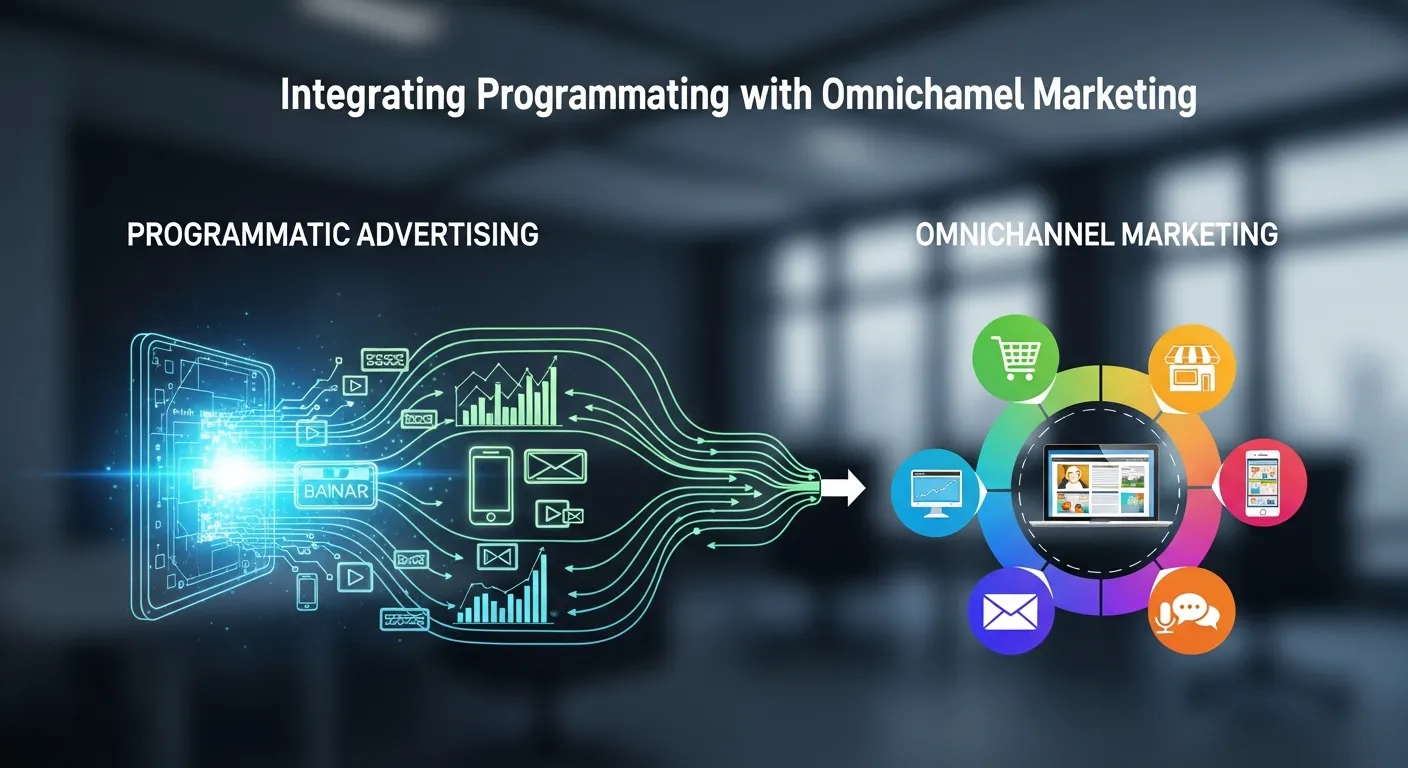
Programmatic advertising doesn’t have to operate in isolation. Integrating it with an omnichannel marketing strategy allows brands to deliver a consistent message across multiple touchpoints, such as social media, display networks, CTV, and even email campaigns. By connecting all channels through programmatic, marketers can ensure audiences experience seamless messaging that builds brand trust and increases conversions.
Key Benefits of Omnichannel Integration:
- Consistent Brand Messaging: Uniform visuals and messaging across channels reinforce brand identity.
- Behavioral Insights Across Platforms: Track user interactions across devices and platforms for smarter targeting.
- Improved Conversions: Users exposed to coordinated messaging across multiple channels are more likely to convert.
Best Practices:
- Map customer journeys across all relevant channels.
- Assign campaign objectives for each touchpoint based on audience behavior.
- Use analytics to determine high-performing platforms and allocate budget accordingly.
Omnichannel Campaign Example Table
| Channel | Ad Format | Goal | Targeting Method |
|---|---|---|---|
| Mobile App | In-app native ads | Drive engagement | Location & behavior-based targeting |
| Connected TV | Programmatic video | Build awareness | Demographics & predictive analytics |
| Social Media | Sponsored posts & stories | Increase engagement | Interest & intent-based targeting |
| Email Campaigns | Personalized banners | Retargeting & conversions | CRM & audience list segmentation |
Programmatic Advertising for Seasonal and Event-Based Campaigns

Programmatic advertising can be especially powerful when aligned with seasonal trends, holidays, and major events. By leveraging real-time bidding and precise targeting, brands can deliver timely, relevant campaigns that capture audience attention when intent is high.
Advantages of Event-Based Programmatic:
- Timely Engagement: Ads reach audiences at moments when they are most likely to engage.
- Contextual Relevance: Ads can match the theme of the event or season, improving CTR.
- Scalable Reach: Programmatic allows marketers to scale campaigns across multiple platforms instantly.
Implementation Tips:
- Analyze historical data to identify high-performing seasonal periods.
- Use dynamic creatives that adapt messaging to holidays or events.
- Set up automated bidding strategies to maximize ROI during peak periods.
Seasonal Campaign Performance Table
| Season/Event | Campaign Type | Dynamic Creative Used | Expected CTR Increase |
|---|---|---|---|
| Black Friday | Display & Video Ads | Promo banners & countdown timers | +150% |
| Summer Travel | Native & Social Ads | Destination-specific offers | +120% |
| Holiday Shopping | Retargeting Ads | Personalized product recommendations | +140% |
| Sports Events | CTV & Programmatic Video | Team/brand-themed creatives | +130% |
Leveraging Predictive Analytics in Programmatic Campaigns
Predictive analytics is a growing trend that can supercharge programmatic advertising strategies. By analyzing historical audience behavior, predictive models forecast future actions, helping marketers serve the right ad at the right time to the right user.
Benefits of Predictive Programmatic:
- Higher Conversion Rates: Ads reach users with the highest likelihood of action.
- Optimized Ad Spend: Budget is allocated to the highest-performing audience segments.
- Reduced Wasted Impressions: Ads are served only to users predicted to engage.
Implementation Strategies:
- Use AI-driven DSP tools to analyze user behavior patterns.
- Segment audiences based on predicted engagement or conversion potential.
- Continuously refine models using campaign performance data for better accuracy.
Predictive Analytics Impact Table
| Metric | Standard Campaign | Predictive Campaign | Improvement |
|---|---|---|---|
| Conversion Rate | 2.1% | 4.8% | +128% |
| Cost per Acquisition (CPA) | $45 | $28 | -38% |
| Click-Through Rate (CTR) | 0.25% | 0.55% | +120% |
| ROI | 1.8x | 3.5x | +94% |
Take Control of Your Programmatic Strategy

A successful programmatic advertising strategy isn’t built overnight. It requires careful planning, strategic execution, and ongoing optimization to deliver measurable results. By taking control of your campaigns, you can ensure every ad dollar is spent efficiently while reaching the right audience with the right message. Start by clearly defining your marketing goals, whether that’s driving website traffic, generating leads, boosting sales, or increasing brand awareness. Next, gain a deep understanding of your audience by analyzing demographics, interests, and online behavior to create highly targeted campaigns. Leverage first-party and third-party data alongside AI-driven insights to make smarter bidding and placement decisions. Monitor performance continuously using real-time dashboards, and adjust creatives, targeting, and budgets based on what works best. Remember, programmatic advertising is not static—constant testing, optimization, and adaptation to emerging trends are key to staying ahead in a competitive digital landscape.
Actionable Steps to Take Control:
- Set Clear Objectives: Define measurable KPIs to track campaign success.
- Map Your Audience: Use data to segment users and personalize messaging.
- Choose the Right Platforms: Select DSPs and ad inventories aligned with your goals.
- Optimize Creatives: Test dynamic, mobile-friendly, and engaging ads.
- Implement Retargeting: Reconnect with users who showed interest but didn’t convert.
- Monitor & Adjust: Track metrics like CTR, CVR, and ROAS, and refine campaigns in real-time.
- Stay Ahead of Trends: Adapt to changes in programmatic technology, privacy regulations, and consumer behavior.
By actively managing your programmatic advertising campaigns, you gain full control over your marketing outcomes, minimize wasted spend, and maximize ROI. Partnering with an experienced team can further enhance your strategy, ensuring your campaigns are efficient, effective, and future-proof.
Frequently Asked Questions (FAQs) – Programmatic Advertising Strategy
1. What is programmatic advertising?
Programmatic advertising is the automated buying and selling of digital ad space using algorithms and data. It allows marketers to target audiences more efficiently than traditional media buying by serving the right ad to the right user in real-time.
2. How does programmatic advertising work?
Programmatic advertising works through Demand-Side Platforms (DSPs), which bid on available ad inventory in real-time. Using audience data and AI-driven algorithms, ads are placed across websites, apps, CTV, and social media to maximize engagement and conversions.
3. What is the difference between programmatic buying and traditional media buying?
Traditional media buying involves manual negotiations and placements, often taking longer and being less precise. Programmatic buying automates the process, uses data-driven targeting, and allows real-time bidding for faster, more efficient ad delivery.
4. How can programmatic advertising improve engagement?
By leveraging programmatic advertising for engagement, marketers can deliver personalized creatives, retarget interested users, and optimize messaging based on user behavior, increasing click-through rates (CTR) and conversions.
5. What types of ads can I run using programmatic platforms?
Programmatic advertising supports multiple formats:
- Display ads – banners and visuals
- Video ads – including programmatic TV advertising work for connected TV (CTV)
- Audio ads – for streaming platforms
- Native ads – blended with website content
6. How do I measure the success of a programmatic campaign?
Key metrics include CPC (Cost-per-Click), CPM (Cost-per-Thousand Impressions), CVR (Conversion Rate), ROAS (Return-on-Ad-Spend), and engagement metrics like CTR and time-on-site.
7. Can programmatic advertising work for small businesses?
Yes, digital programmatic advertising is scalable. Even small businesses can target niche audiences efficiently and control budgets using programmatic platforms and programmatic display advertising.
8. What is the role of data in programmatic advertising?
Data is critical. First-party data (your own customers), second-party data (partners), and third-party data (external providers) help refine targeting and optimize ad performance for better ROI.
9. Is programmatic advertising privacy-compliant?
Modern programmatic platforms are adapting to privacy-first strategies, using contextual targeting and consent-driven audience data to comply with GDPR, CCPA, and other privacy regulations.
10. How do I get started with a programmatic advertising strategy?
Begin by defining your goals, understanding your audience, selecting the right DSP and ad formats, leveraging data, and continuously monitoring campaign performance. A well-defined programmatic advertising strategy ensures efficiency and measurable results.
Want to learn how to set up real-time optimization for your campaigns? Check out Shaping the Future of Advertising with Programmatic Advertising News