The Ultimate Guide to Programmatic Television Advertising

Programmatic Television Advertising has always been a potent vehicle for reaching wide audiences. But in recent years, the ascendancy of programmatic television advertising has upended how businesses engage with this channel. It’s that the industry is being overturned by programmatic tech. This technology simplifies TV advertising, making it more precise and measurable than ever before.
If you’re a marketing professional looking to get ahead of the game or a business owner eager for guidance on how best to spend your TV ad budget, then with all of that said, look no further than this comprehensive tutorial — walk walk-through on programmatic TV advertising. What is it, what are its advantages, and how does it work?
What is Programmatic Television Advertising?
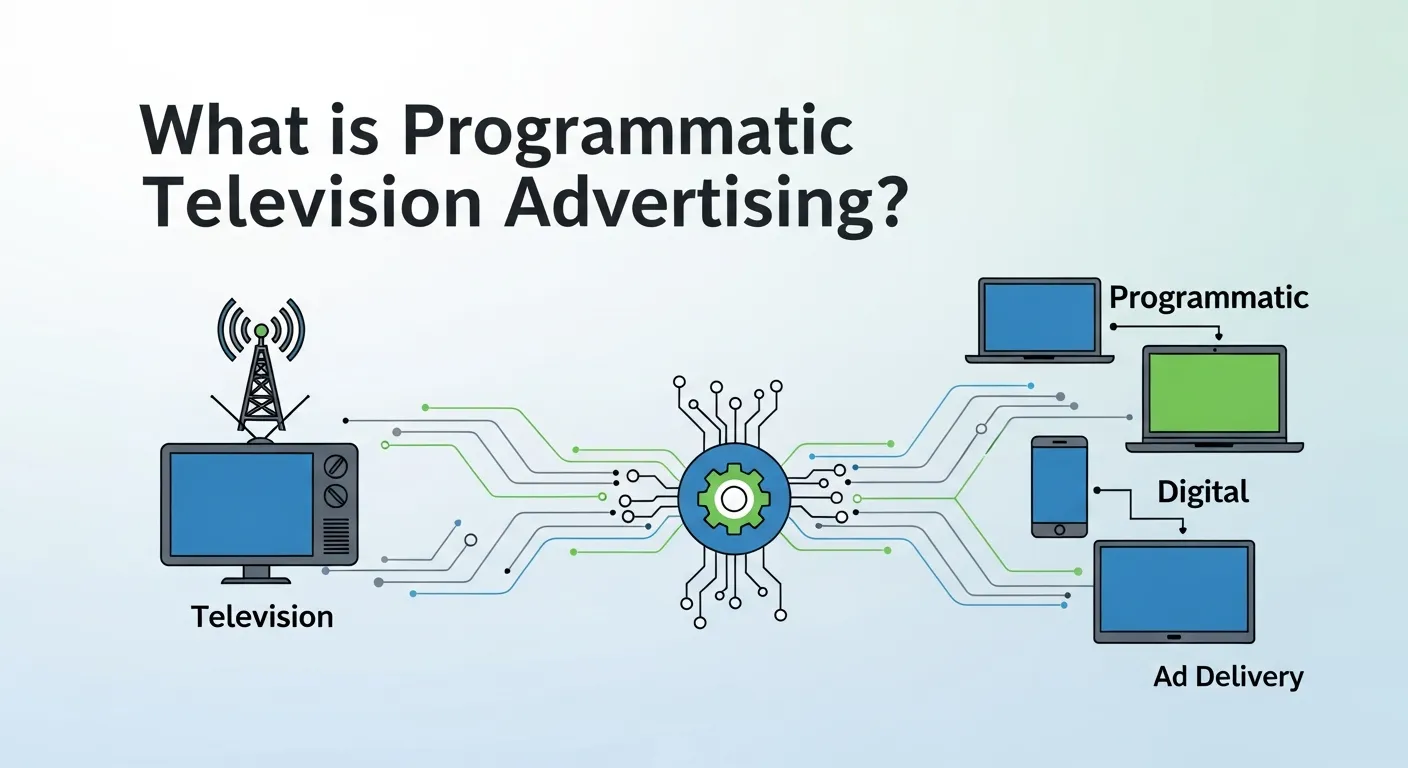
Programmatic advertising on television means the use of automated technology and data-driven analysis to buy and place TV ads. Programmatic ads use technology to evaluate when is the best time, audience, and channel for your content, as opposed to old methods that depended on negotiations between people and aimed at a general audience.
Programmatic TV advertising is essentially experimentation. With audience data and advanced algorithms, advertisers are able to bring the right message to the right people at the right time. In this way, a powerful confluence of the broad reach of traditional television and the precision involved in digital marketing combines naturally.
Types of Programmatic TV Advertising
To better understand programmatic television advertising, it helps to break it down into its primary categories:
- Linear TV Advertising
This involves buying ads within traditional live TV programming. Through programmatic, advertisers can target specific geographies and demographics more effectively than with conventional buying.
- Addressable TV Advertising
Addressable TV allows advertisers to target specific households rather than broader demographics. For example, two families watching the same show might see entirely different ads based on their preferences.
- Connected TV (CTV) Advertising
Connected TV refers to internet-enabled devices, such as Roku, Apple TV, and smart TVs. Advertisers can use programmatic methods to target users based on their streaming habits or interests.
- Video on Demand (VOD)
Programmatic platforms allow advertisers to include ads in content streamed on-demand through platforms like Hulu, YouTube TV, and more.
Benefits of Programmatic Television Advertising
Programmatic TV isn’t just a buzzword; it brings tangible benefits that improve advertising performance, efficiency, and ROI. Let’s explore the key advantages:
1. Enhanced Targeting Capabilities
Programmatic advertising uses detailed audience data, such as age, location, interests, and viewing behavior. This allows marketers to target specific segments with tailored advertising messages, ensuring the content resonates with each audience group.
For example, an athletic apparel brand could target fitness enthusiasts during sports programming or on fitness-focused streaming platforms like Peloton.
2. Real-Time Optimization
Unlike traditional TV ads that are difficult to adjust once bought, programmatic allows you to monitor and optimize campaigns in real time. If your ad isn’t performing as expected, you can shift your budget, adjust targeting, or pause the campaign altogether.
3. Improved Cost Efficiency
Rather than paying for broad, untargeted reach, programmatic TV ensures that you pay only for impressions that align with your target audience. While the upfront costs can seem higher, the improved ROI makes programmatic a cost-effective choice in the long run.
4. Measurable Results
One of the most significant advancements in programmatic TV is its ability to provide detailed reports on ad performance. Metrics like household reach, engagement, and conversion rates give advertisers a clear picture of their campaign’s success.
5. Hybrid Reach
By combining traditional TV’s mass reach with digital precision, programmatic TV bridges the gap between the old and the new. It engages audiences wherever they consume TV content, whether through traditional broadcasts or streaming platforms.
Creative Strategy Optimization for Programmatic TV Campaigns
While technology powers programmatic television advertising, creative execution ultimately determines performance. Unlike traditional TV ads that rely on one-size-fits-all messaging, programmatic TV allows brands to tailor creatives dynamically based on audience data, context, and viewing environment.
Creative optimization in programmatic TV focuses on relevance, frequency control, and contextual alignment. Brands that fail to adapt their creative strategies often see diminished returns, even with precise targeting.
Creative Best Practices for Programmatic TV
- Dynamic Creative Optimization (DCO): Serve different creatives to different audience segments automatically.
- Context-Aware Messaging: Align creatives with content type (sports, news, entertainment).
- Shorter Ad Formats: 6–15 second ads often outperform traditional 30-second spots on CTV.
- Sequential Storytelling: Deliver a series of ads that evolve the message over time.
Common Creative Mistakes to Avoid
- Repurposing linear TV ads without optimization
- Overexposing the same creative to the same household
- Ignoring platform-specific creative specifications
Table: Creative Optimization Approaches in Programmatic TV
| Creative Element | Traditional TV | Programmatic TV |
|---|---|---|
| Message Personalization | None | High |
| Creative Variants | Single | Multiple |
| Frequency Control | Limited | Advanced |
| Contextual Relevance | Broad | Granular |
| Performance Feedback Loop | Slow | Real-time |
How Programmatic Television Advertising Works
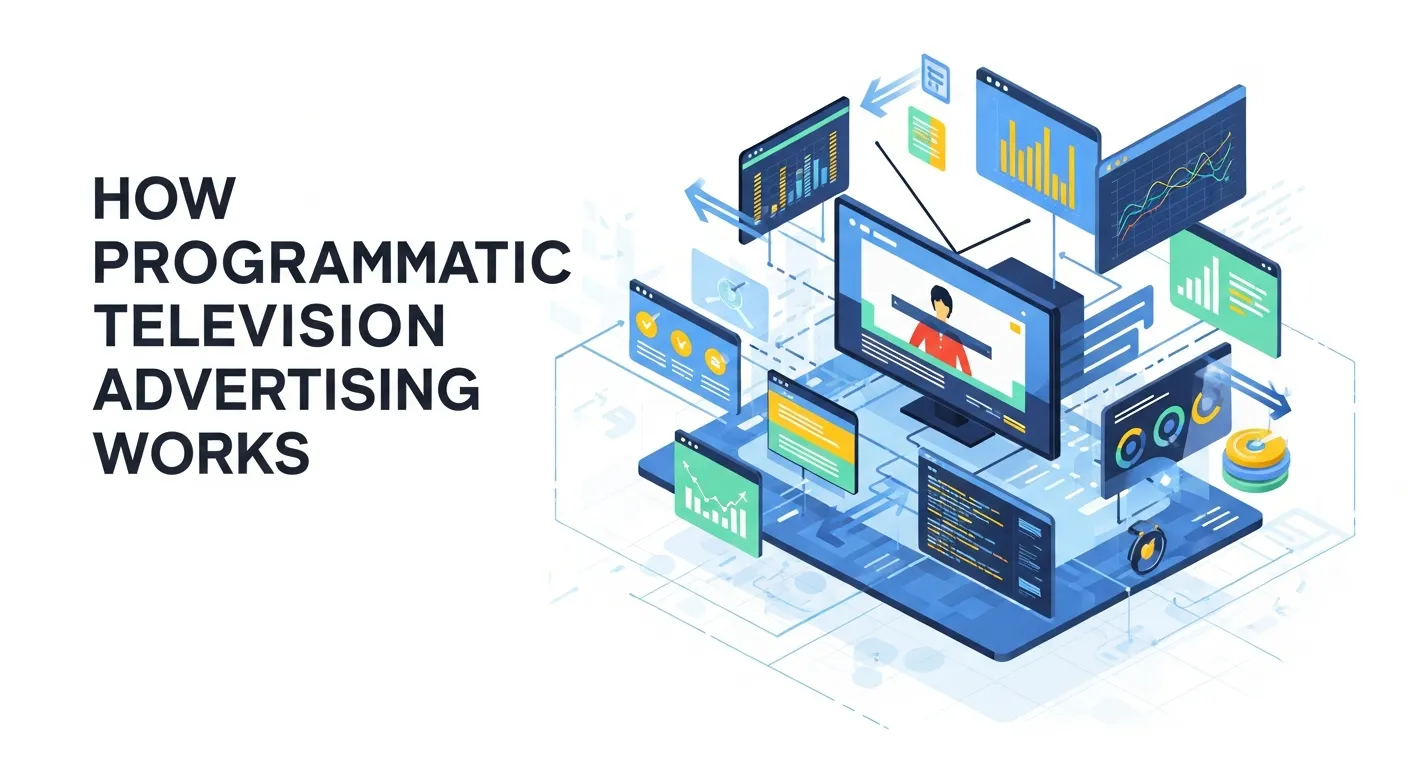
To start leveraging programmatic TV advertising, it’s important to understand the process behind it:
Step 1. Define Campaign Goals
Like any marketing campaign, the process begins with setting clear objectives. Are you trying to build brand awareness, drive sales, or generate leads? Your goals will determine the targeting, budget, and creative strategy.
Step 2. Choose a Programmatic Platform
Programmatic platforms, also known as demand-side platforms (DSPs), are essential for executing campaigns. Some popular programmatic platforms include The Trade Desk, Simulmedia, and Vizio’s Project OAR. These platforms manage the ad-buying process and provide real-time analytics.
Step 3. Target Your Audience
Using audience data, define your specific target groups. This includes parameters like geographic location, demographics, interests, and device types. Advanced tools allow layering multiple data sets for even greater precision.
Step 4. Bid on Ad Inventory
Programmatic TV operates on an auction-based system. When a suitable ad slot becomes available, a bid is placed automatically in real time. If your bid is successful, your ad is shown to the viewer.
Step 5. Deploy and Analyze
Once the campaign goes live, you can track its performance using the platform’s analytics tools. Look at metrics like viewability rates, conversions, and engagement to evaluate results and refine future campaigns.
Data Privacy, Compliance, and Identity in Programmatic Television Advertising
As programmatic television advertising becomes more data-driven, privacy regulations and identity management have emerged as critical considerations. Unlike traditional TV, programmatic TV relies heavily on household-level and device-level data, making compliance with data protection laws non-negotiable.
Advertisers must navigate global privacy frameworks such as GDPR, CCPA, and evolving regional data regulations while still delivering personalized and effective campaigns. The shift away from third-party cookies has further accelerated the adoption of privacy-safe identity solutions, particularly in connected TV environments.
Key Privacy Challenges in Programmatic TV
- Household-Level Targeting Risks: Addressable and CTV advertising relies on household data, which must be anonymized and consent-driven.
- Fragmented Identity Ecosystem: Different platforms use different identifiers, making cross-platform consistency challenging.
- Consent Management: Advertisers must ensure viewers have opted in to data usage across devices and platforms.
Best Practices for Privacy-Safe Programmatic TV
- Use first-party data wherever possible.
- Partner with DSPs and data providers that support privacy-compliant identity frameworks.
- Regularly audit data sources for transparency and compliance.
Table: Privacy Considerations in Programmatic Television Advertising
| Privacy Aspect | Traditional TV | Programmatic TV |
|---|---|---|
| Audience Data Usage | Minimal | High (household & device-level) |
| Regulatory Exposure | Low | High |
| Identity Resolution | Not required | Essential |
| Consent Management | Not applicable | Mandatory |
| Measurement Transparency | Limited | Advanced but regulated |
Examples of Programmatic Television Advertising in Action
To illustrate how programmatic TV can deliver results, here are a few real-world examples:
- Fast Food Chain
A national fast-food brand wanted to launch a new value meal. By using programmatic TV, they targeted cost-sensitive households watching sports content across both linear and connected TV. The campaign achieved a 25% increase in foot traffic to restaurants.
- Streaming Service Launch
A new streaming service relied heavily on programmatic CTV ads to promote its debut series. By targeting specific age groups and geographic markets, the service reached 4 million viewers in its first week.
- E-commerce Retailer
An online retailer used programmatic video-on-demand advertising to target tech-savvy apparel buyers. Leveraging purchase intent data, the retailer saw a 40% boost in conversions during the campaign.
Advanced Measurement, Attribution, and Incrementality in Programmatic TV

One of the most transformative aspects of programmatic television advertising is its ability to support advanced measurement frameworks that go beyond basic reach and frequency. Advertisers can now evaluate true business impact through attribution modeling and incrementality testing.
Unlike traditional TV measurement, which relies heavily on panel-based estimates, programmatic TV integrates digital-style analytics to connect ad exposure with real outcomes such as website visits, app installs, and offline conversions.
Key Measurement Approaches
- Cross-Device Attribution: Tracks how TV exposure influences actions on mobile and desktop devices.
- Incrementality Testing: Measures lift by comparing exposed and control households.
- Outcome-Based KPIs: Focuses on conversions, store visits, and revenue rather than impressions alone.
Metrics That Matter Most
- Cost per incremental reach
- Conversion lift
- Household frequency effectiveness
- Time-to-conversion post-exposure
Table: Traditional TV vs Programmatic TV Measurement
| Measurement Factor | Traditional TV | Programmatic TV |
|---|---|---|
| Attribution | Modeled estimates | Data-driven |
| Cross-Device Tracking | Not available | Available |
| Incrementality Testing | Rare | Standard |
| Optimization Speed | Post-campaign | In-campaign |
| Business Outcome Visibility | Limited | High |
Getting Started with Programmatic Television Advertising
Implementing a programmatic TV advertising strategy doesn’t need to be overwhelming. Here are actionable steps to help you get started:
- Partner with an experienced programmatic advertising professional or agency if you’re new to the landscape.
- Use small, test campaigns to assess your audience’s engagement and tweak your approach accordingly.
- Stay updated on industry trends and emerging technologies, as the world of programmatic TV continues to evolve rapidly.
Why Programmatic TV is the Future of Advertising
Enter programmatic TV advertising. Businesses understand that it cuts provide connections on average that are equivalent to paying too much attention to people. This is automation, data insights, and personalized placement together. For business people who want to make sure their marketing message is seen in the way they intended, meaning when they feel most likely able to take action accordingly, the opportunity presented by hourglass-type media at that time is truly unique.
But success lies in constant adaptability and a willingness to experiment. With the optimal or programmatic advertising platform, creative strategies that work: all-around internal optimization – businesses can harness TV to provide an effective medium for advertising campaigns.
Frequently Asked Questions (FAQs) on Programmatic Television Advertising
1. How is programmatic television advertising different from traditional TV advertising?
Programmatic television advertising uses automated technology and data to buy and place ads in real time, while traditional TV advertising relies on manual negotiations and fixed schedules. Programmatic buying allows precise audience targeting, optimization, and measurement—capabilities that traditional media buying lacks.
2. Is programmatic television advertising suitable for small and mid-sized businesses?
Yes. While programmatic TV was once dominated by large brands, many platforms now offer flexible budgets and scalable options. Small and mid-sized businesses can run test campaigns, focus on niche audiences, and achieve strong engagement without the high upfront costs of traditional TV.
3. What types of data are used in programmatic TV advertising?
Programmatic television advertising uses anonymized data such as household demographics, location, viewing behavior, device usage, and interests. First-party and privacy-compliant data sources are increasingly important as third-party data becomes more restricted.
4. How does programmatic TV improve advertising engagement?
Programmatic advertising for engagement works by delivering more relevant ads to the right viewers at the right time. Personalized creatives, controlled ad frequency, and context-aware placements significantly improve viewer attention and response compared to generic TV commercials.
5. Can programmatic TV campaigns run alongside programmatic display advertising?
Absolutely. Many advertisers run integrated campaigns that combine programmatic television advertising with programmatic display advertising. This omnichannel approach improves brand recall, reinforces messaging, and allows cross-device attribution for better performance analysis.
6. What is the difference between programmatic TV and programmatic audio advertising?
Programmatic television advertising focuses on video content delivered via linear TV, CTV, or VOD platforms, while programmatic audio advertising targets listeners on streaming music, podcasts, and digital radio. Both use automated buying and data-driven targeting but differ in format and user context.
7. How is success measured in programmatic television advertising?
Success is measured using metrics such as household reach, frequency, conversion lift, incremental reach, store visits, and cross-device actions. Advanced attribution and incrementality testing help advertisers understand the true business impact of their campaigns.
8. Is programmatic TV advertising brand-safe?
Yes, when executed properly. Advertisers can apply brand safety controls, whitelist premium publishers, and use contextual targeting to ensure ads appear in suitable environments. Most leading DSPs offer strong brand safety and fraud-prevention tools.
9. How does programmatic buying compare to traditional media buying?
In programmatic buying vs traditional media buying, the key differences are automation, flexibility, and measurement. Programmatic buying enables real-time bidding, audience-based targeting, and continuous optimization, whereas traditional media buying is fixed, manual, and less transparent.
10. What future trends are shaping programmatic television advertising?
Current programmatic advertising news highlights trends such as increased CTV adoption, privacy-first identity solutions, AI-driven optimization, and outcome-based measurement. As streaming continues to grow, programmatic TV is expected to become a central pillar of modern advertising strategies.
New to the concept of automated ad buying? Don’t miss our full breakdown on Inside Netflix Programmatic Advertising