The Rise of Programmatic Radio Advertising
The timeless medium that has entertained and informed untold millions is now developing in new directions. With the coming of digital transformation, programmatic radio advertising has become a new powerhouse in the world of marketing. But what exactly is programmatic radio advertising, and are advertisers beginning to pay more attention to what is, in fact, an innovative approach?
What Is Programmatic Radio Advertising?
In the end, programmatic radio advertising is a term used by industry practitioners or advertisers who use automatic procedures to buy and sell radio ad units. Instead of negotiating, the purchase of ad slots is made in real time. This is accomplished by using data and algorithms. It also means it is possible for advertisers to reach their target audience across AM/FM stations, streaming platforms, and podcasts quickly and efficiently.
What separates programmatic radio ads from traditional ones lies in precision and efficiency. Advertisers make better use of audience data by identifying and targeting listeners according to categories such as demographic information, geographical location, or listeners’ behavior. This means that ads can be delivered
Why Programmatic Radio Advertising Is Gaining Traction
While digital ad platforms like Google and Facebook have made programmatic advertising mainstream, radio is catching up quickly. The rise in popularity can be attributed to several factors:
- Expanding Audio Consumption
With podcasting and music streaming on platforms like Spotify, Pandora, and iHeartRadio consistently growing, advertisers have more opportunities to engage listeners.
- Unparalleled Reach
Radio remains one of the most accessible media, with 83% of Americans aged 12 and older tuning in each week, according to Nielsen. Combining this with precise targeting makes it a goldmine for advertisers.
- Enhanced Efficiency
Automated ad buying eliminates the manual negotiation process, reducing time spent securing placements. This means brands can act faster without sacrificing campaign customization.
How Programmatic Radio Advertising Works
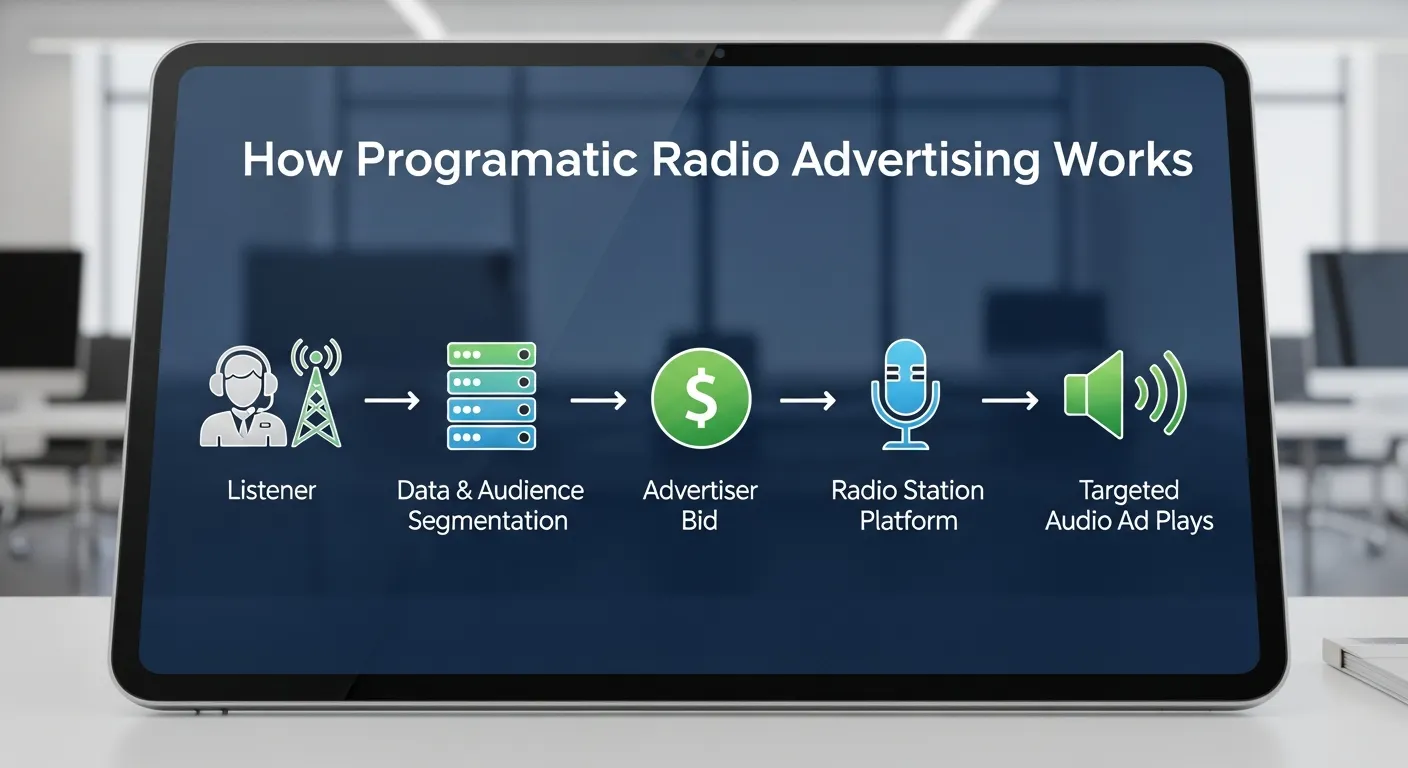
To understand the mechanics of programmatic radio, consider this step-by-step breakdown:
Inventory and Publishers
Programmatic radio platforms partner with broadcasters, streaming services, and podcast networks to pool available ad slots. These ad slots make up the inventory available for programmatic buying.
Real-Time Bidding
Advertisers place bids through demand-side platforms (DSPs) for specific ad slots based on audience data. These bids happen in real time, ensuring competitive pricing and fair allocation of ad placements.
Audience Targeting
Using data such as listener demographics, geographic locations, and listening preferences, advertisers can tailor their campaigns to reach highly relevant audiences. For instance, a health and wellness brand can choose to target listeners of fitness podcasts in urban centers.
Reporting and Optimization
Once a campaign goes live, advertisers gain access to real-time analytics. By monitoring performance, they can adjust targeting, creative assets, or bidding strategies to maximize ROI.
Benefits of Programmatic Radio Advertising
The appeal of programmatic radio advertising lies in its unique blend of automation and personalization. Here’s how it can elevate your marketing efforts:
1. Precision Targeting
Unlike traditional radio ads that broadcast to widespread audiences, programmatic radio enables precision targeting. Reach specific listeners based on factors like age, gender, interests, and listening platforms, ensuring your message connects.
2. Cost Efficiency
Manual ad purchases often result in overpaying for airtime or unoptimized ad placements. With programmatic radio, automated bidding ensures you only pay for impressions that matter, keeping your campaign cost-effective.
3. Real-Time Adjustments
One of the standout features of programmatic advertising is its flexibility. If a campaign isn’t performing well or market circumstances change, you can make real-time adjustments instead of waiting until the next cycle.
4. Cross-Platform Reach
With listeners tuning in on a variety of platforms, from AM/FM stations to digital streams, programmatic radio gives you omnichannel access. Engage commuters, mobile app users, and desktop listeners seamlessly.
5. Data-Driven Insights
Programmatic platforms provide detailed analytics about campaign performance and audience behavior. These insights unlock opportunities for improving not only your radio ads but also overarching marketing strategies.
6. Complement to Other Channels
Programmatic radio works well with other programmatic ad formats, such as display and video. A unified strategy across platforms creates a cohesive brand experience for your target audience.
Programmatic Radio Advertising for Local Businesses
Why Local Targeting Matters
Programmatic radio advertising isn’t just for national brands — local businesses can leverage its precision targeting to reach nearby audiences with hyper-relevant messaging. Localized campaigns allow businesses to tailor ads by ZIP code, city, or even commuting routes, making every impression count.
How It Works for Local Brands
- Geo-Fencing: Target listeners within specific geographic boundaries, such as a 5-mile radius of a store.
- Time-Based Scheduling: Serve ads during peak listening hours for the local audience.
- Behavioral Relevance: Combine local targeting with listener behavior to reach the most interested prospects.
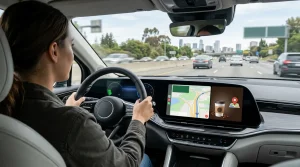
A café could target morning commuters on a local FM station within a 3-mile radius, offering a “coffee and bagel special” during the morning rush hour.
Local vs National Programmatic Radio Strategy
| Strategy Type | Targeting Scope | Creative Focus | Budget Flexibility | Expected ROI |
|---|---|---|---|---|
| National Campaign | Country-wide | Broad messaging | High | Medium |
| Local Programmatic | City/Neighborhood | Hyper-local promotions | Medium-High | High |
Programmatic Radio Advertising for Brand Storytelling
Elevating Narrative Through Audio
Audio is inherently intimate — listeners often engage during commutes, workouts, or at home. Programmatic radio allows brands to craft narratives that resonate deeply with audiences using AI-driven sequencing and dynamic ad insertion.
Points to Consider
- Sequential Messaging: Deliver a story across multiple ad spots or days, gradually building brand familiarity.
- Dynamic Creative Elements: Personalize music, voice-over style, or tone based on audience preferences.
- Emotional Resonance: Use sentiment analysis to adapt messaging dynamically, improving engagement.
A travel company could run a sequence of programmatic radio ads: first introducing a destination, then highlighting experiences, and finally offering a booking incentive — all delivered to listeners who previously engaged with travel podcasts.
Storytelling Metrics Comparison
| Metric | Single Ad Approach | Sequential Programmatic Radio |
|---|---|---|
| Brand Recall | Medium | High |
| Engagement Rate | 10–15% | 25–35% |
| Conversion Rate | Low | Medium-High |
Real-World Examples of Programmatic Radio Success
Still wondering whether programmatic radio advertising is a worthy investment? Here are some real-world examples demonstrating its impact:
- Automotive Brands
An automotive company used programmatic radio to target listeners in specific regions with ads promoting local dealership offers. By using geo-targeting, they saw increased traffic to dealerships.
- Retail Campaigns
A clothing retailer partnered with a streaming platform to run ads promoting a seasonal sale. They targeted listeners who recently placed items in an online cart but hadn’t checked out, leading to higher sales conversion rates.
- Nonprofits and Fundraising
A charity ran a programmatic campaign during peak listening hours on podcasts related to their cause. By targeting a niche audience, they successfully raised both awareness and donations.
Sustainability and Green Advertising in Programmatic Radio
Eco-Conscious Campaigns
Sustainability is becoming a central theme for modern brands. Programmatic radio can amplify eco-friendly messaging by targeting environmentally conscious listeners on podcasts, streaming platforms, or local radio stations.
Implementation Strategies
- Audience Segmentation: Identify users interested in sustainability, climate action, or eco-friendly products.
- Creative Personalization: Include messaging that resonates with listeners’ environmental values.
- Integrated Campaigns: Combine programmatic radio with social media and display ads for consistent sustainability messaging.
Benefits
- Builds brand trust among eco-conscious audiences.
- Differentiates the brand from competitors with generic messaging.
- Enhances long-term loyalty through values alignment.
Standard vs Sustainability-Focused Campaign
| Campaign Type | Target Audience | Creative Messaging | Engagement Potential | Brand Loyalty |
|---|---|---|---|---|
| Standard | General listeners | Generic offers | Medium | Medium |
| Sustainability-Focused | Eco-conscious listeners | Environmentally aligned storytelling | High | High |
Key Considerations for Leveraging Programmatic Radio Advertising
Like any marketing tool, programmatic radio requires careful planning to achieve desired results. Keep these considerations in mind to maximize success:
- Understand Your Audience
Research your target demographic and their listening habits before launching your campaign.
- Set Clear Goals
Are you aiming to drive brand awareness, traffic, or direct conversions? Clear objectives will shape your targeting and messaging.
- Focus on Creative Messaging
Even with precise targeting, your ad creative plays a crucial role in grabbing attention. Use engaging storytelling and calls to action reflective of your brand voice.
- Track and Optimize
Regularly monitor campaign performance and make data-driven adjustments to improve results over time.
Future Trends in Programmatic Radio Advertising
The future of programmatic radio advertising is brimming with possibilities, thanks to advancements in technology. Here’s what to expect:
- AI and Machine Learning
Algorithms will become better at predicting audience behavior, enabling even more effective targeting and personalization.
- Voice-Activated Devices
With the growing adoption of smart speakers like Amazon Echo and Google Home, advertisers will find fresh opportunities to engage listeners.
- Integration with Omnichannel Campaigns
Programmatic radio campaigns will increasingly integrate with other advertising channels, providing a seamless experience across touchpoints.
Get Ahead with Programmatic Radio Advertising
Programmatic radio advertising isn’t just a trend—it’s rapidly becoming the cornerstone of modern audio marketing. By combining automation, data intelligence, and precision targeting, it allows brands to reach the right audience at the right moment, no matter where they are listening—whether it’s commuting on the subway, streaming music at home, or catching a favorite podcast during a workout.
Why Programmatic Radio Is a Competitive Advantage
- Data-Driven Precision
Unlike traditional radio ads that cast a wide net, programmatic radio leverages detailed audience data, including demographics, location, device type, listening behavior, and engagement patterns. This ensures that every ad impression is relevant, reducing wasted spend and improving ROI. - Real-Time Optimization
Campaigns are continuously monitored and adjusted. If a particular ad spot or time slot underperforms, programmatic platforms can automatically reallocate budget to higher-performing opportunities. This agility is impossible in traditional radio advertising. - Scalable Reach Across Platforms
Programmatic radio allows brands to seamlessly connect with audiences across multiple channels, from AM/FM stations to streaming services and podcasts. This cross-platform reach ensures a consistent brand experience and maximizes exposure without duplicating effort. - Enhanced Creative Flexibility
Ads can be dynamically personalized based on listener preferences, location, or behavior. For example, a coffee brand could target morning commuters with a “buy one, get one” offer while tailoring a different message for evening listeners browsing a wellness podcast. - Measurable Performance and Insights
Every impression, engagement, and conversion is trackable. Brands gain actionable insights into listener behavior, helping shape not only radio campaigns but wider marketing strategies.
Practical Steps to Get Ahead
- Start Small, Scale Fast: Begin with targeted campaigns on high-traffic platforms, test messaging, and gradually expand to additional channels or geographies.
- Integrate With Other Channels: Combine programmatic radio with display, video, or social campaigns to build a seamless omnichannel strategy.
- Leverage AI and Automation: Utilize AI-driven bidding and predictive analytics to maximize cost efficiency and audience relevance.
- Focus on Storytelling: Use audio’s intimate nature to create engaging narratives that resonate emotionally with listeners.
A local bookstore used programmatic radio to promote a weekend author event. By targeting podcast listeners in a 5-mile radius who had recently searched for books online, the campaign increased event attendance by 30% compared to a generic radio ad. The audio advertising landscape is evolving rapidly. Brands that embrace programmatic radio today gain an early-mover advantage, capturing audience attention before competitors adapt. With precise targeting, real-time optimization, and measurable results, programmatic radio enables marketers to connect deeply with their audience while maximizing budget efficiency.
Frequently Asked Questions (FAQs) About Programmatic Radio Advertising
1. What is programmatic radio advertising?
Programmatic radio advertising automates the buying and delivery of audio ads, allowing brands to target audiences precisely across AM/FM stations, streaming platforms, and podcasts in real time.
2. How does programmatic radio differ from traditional radio ads?
Unlike traditional radio, which broadcasts the same ad to a broad audience, programmatic radio uses audience data, automated bidding, and real-time optimization for precise, relevant, and cost-efficient ad delivery.
3. Who can benefit from programmatic radio advertising?
Both national and local brands can benefit. National campaigns reach wide audiences efficiently, while local businesses can hyper-target nearby listeners to drive foot traffic or local conversions.
4. How does audience targeting work in programmatic radio?
Advertisers use demographics, geographic data, listener behavior, and platform preferences to target ads. AI-driven platforms also allow dynamic personalization based on user interests and engagement.
5. Can programmatic radio integrate with other advertising channels?
Yes. It works seamlessly with display, video, social, and programmatic TV advertising work, enabling a unified omnichannel marketing strategy and consistent brand messaging across platforms.
6. What role does AI play in programmatic radio advertising?
AI enhances targeting precision, predicts listener behavior, automates bidding strategies, optimizes ad delivery in real time, and can even personalize ad creative to improve engagement and ROI.
7. Is programmatic radio cost-effective for small businesses?
Yes. Automated bidding and audience targeting reduce wasted impressions and overpayment. Localized campaigns allow small businesses to maximize budget efficiency with measurable results.
8. How is performance measured in programmatic radio campaigns?
Programmatic platforms provide real-time analytics, tracking metrics such as impressions, clicks, engagement rates, conversions, and ROI. Data-driven adjustments ensure optimal campaign performance.
9. Can programmatic radio ads be personalized?
Absolutely. Ads can dynamically change based on listener data, including past behavior, preferences, location, and even sentiment analysis for more effective emotional targeting.
10. What trends are shaping the future of programmatic radio advertising?
Emerging trends include AI-driven personalization, integration with omnichannel campaigns, voice-activated ad experiences via smart speakers, and sustainable/eco-conscious campaign targeting.
New to the concept of automated ad buying? Don’t miss our full breakdown on How AI is Transforming Programmatic Advertising