The Evolution of Brand Marketing in the Age of DSP

Brand marketing has evolved enormously over the past two decades, and shifts in trends and technology have been constantly redefining how businesses communicate with their target audience. Of them, one of the most drastic changes to the marketing sphere has come from demand-side platforms (DSPs). These are the new cool kids on the block that have transformed the landscape of how above-the-line marketers plan, purchase, and optimise their advertising investment.
What Are Demand-Side Platforms?
Demand-side Platform (DSP) DSPs are automated buying platforms that allow advertisers with a range of ads on a variety of websites to purchase inventory in real time. Buyers can fine-tune their target audience and optimize campaigns with AI and machine learning powered analytics. DSPs have revolutionized the decades-old advertising model by delivering increased automation, accuracy, and power.
Traditional ad buys were a slog—made by hand, at considerable manual labor, one conversation with a publisher at a time. Today, DSPs have simplified the process, providing direct access to inventory on demand and allowing you to target targeted audience segments by preferences, behaviors, and geographic location. This technology has been a key driver of the rise of programmatic advertising.
The Shift from Traditional Advertising to DSPs
The Manual Era of Advertising
Before the widespread adoption of DSPs, advertising relied heavily on manual processes. Advertisers worked directly with publishers to negotiate ad placements, often spending significant time finalizing contracts, managing creative assets, and tracking campaign success through spreadsheets.
This system, riddled with inefficiencies, lacked precision. Ads often served broader audiences and involved less reliable insights for tracking performance. Brands paid not just for targeted exposure but also for reaching many irrelevant users.
Advent of Programmatic Advertising
DSPs emerged as the lifeline that modernized marketing processes. Programmatic campaigns, driven by DSPs, allowed marketers to automate ad buying and achieve fine-grained targeting. Marketing budgets could finally focus on delivering the right message to the right person at the right time.
Programmatic advertising paved the way for data-driven decisions, real-time bidding (RTB), and dynamic audience segmentation. It empowered marketers with self-serve platforms to execute campaigns end-to-end, emphasizing efficiency and measurable ROI.
Why DSPs Are Game-Changing for Brand Marketing
1. Enhanced Audience Targeting
DSPs allow marketers to access data from multiple sources, creating detailed audience segments. Brands can target users based on demographics, interests, past purchases, or online behavior. Want to target 30-somethings interested in “eco-friendly travel”? DSPs can help you nail it.
2. Real-Time Optimization
Unlike static ad campaigns from the past, DSPs enable advertisers to monitor and refine campaigns in real time. This means wasted spend can be minimized, and top-performing ads can gain more allocation instantly.
3. Cross-Channel Reach
With a DSP, brands can reach audiences across a variety of platforms simultaneously—from display and mobile ads to connected TV (CTV) and digital audio channels. Integrated, cross-channel campaigns ensure brands remain top-of-mind wherever users consume content.
4. Data-Driven Insights
Thanks to robust analytics tools within DSPs, marketers receive actionable insights into campaign performance. These tools provide metrics on impressions, clicks, conversions, and engagement, helping marketers gauge what works and what doesn’t.
5. Cost-Effectiveness
Real-time bidding enables advertisers to set budgets efficiently while bidding on high-value impressions. Ad deliveries are no longer guesswork, ultimately lowering costs and boosting ROI for brands.
The Challenges Brands Face with DSP-Driven Marketing
Using DSPs doesn’t come without hurdles. Here are some of the primary challenges brands must address in the DSP landscape:
- Data Privacy Regulations
Tracking user behavior for targeting purposes has become increasingly complicated with GDPR, CCPA, and other privacy regulations. Marketers must balance personalized campaigns with respecting consumer privacy.
- Ad Fraud Risks
Programmatic advertising isn’t free from fraudulent activities such as bots and fake clicks. Brands need to ensure they’re using DSPs with robust anti-fraud tools to protect their ad spend.
- Technical Complexity
For newcomers, the DSP ecosystem can feel intimidating. Familiarity with targeting metrics, bidding strategies, and data analysis is often required to get the most out of these platforms.
- Ad Fatigue
With more programmatic ads appearing on multiple platforms, the risk of oversaturating users with the same messaging increases. Creative refreshes and diverse messaging strategies are essential in combating ad fatigue.
The Role of First-Party Data in a Cookieless World
As third-party cookies continue to phase out, first-party data has become a cornerstone of effective DSP campaigns. Brands now rely on data collected directly from their audiences through websites, apps, CRM systems, and loyalty programs. This data is more accurate, privacy-compliant, and valuable for long-term targeting. When integrated with DSPs, first-party data enables advertisers to build high-quality audience segments and maintain personalization without violating privacy regulations. Brands that invest early in first-party data strategies will gain a competitive advantage as the programmatic ecosystem shifts toward privacy-first advertising models.
Creative Strategy and Storytelling in DSP Campaigns
Technology alone cannot guarantee successful DSP campaigns—creative storytelling plays an equally critical role. Even the most advanced targeting will fail if ads lack emotional appeal or relevance. Brands must align creative assets with audience intent, platform context, and campaign objectives. DSPs allow for dynamic creative optimization, enabling advertisers to test multiple messages, visuals, and formats in real time. By combining data insights with compelling narratives, brands can deliver ads that not only capture attention but also build lasting brand recall and trust across digital touchpoints.
Measuring Brand Lift Through DSP Advertising
Beyond clicks and conversions, brand marketers increasingly focus on measuring brand lift through DSP campaigns. Metrics such as awareness, consideration, favorability, and recall provide deeper insight into long-term brand impact. Many DSPs and measurement partners offer brand lift studies that analyze how exposure influences consumer perception. These insights help marketers justify upper-funnel investments and optimize creative and targeting strategies. By evaluating both performance and brand metrics, advertisers can better understand how DSP-driven campaigns contribute to sustained brand growth rather than short-term results alone.
The Importance of Frequency and Reach Management
One of the biggest challenges in programmatic advertising is managing ad frequency while maximizing reach. Overexposure can lead to ad fatigue and negative brand perception, while underexposure limits campaign effectiveness. DSPs provide advanced frequency capping and reach optimization tools to strike the right balance. Marketers can control how often users see ads and adjust exposure based on engagement levels. Effective frequency management ensures that brand messaging remains impactful without becoming intrusive, resulting in better user experience and stronger campaign performance.
Integrating DSPs with Other Marketing Technologies
DSPs deliver maximum value when integrated into a broader marketing technology stack. Connecting DSPs with customer data platforms (CDPs), analytics tools, CRM systems, and marketing automation platforms creates a unified view of the customer journey. This integration allows brands to align media buying with email marketing, personalization efforts, and sales initiatives. Cross-platform data sharing improves targeting accuracy, reporting clarity, and overall marketing efficiency. A well-connected martech ecosystem enables brands to activate insights across channels and deliver consistent, cohesive brand experiences.
Building Long-Term Brand Equity with Programmatic Advertising
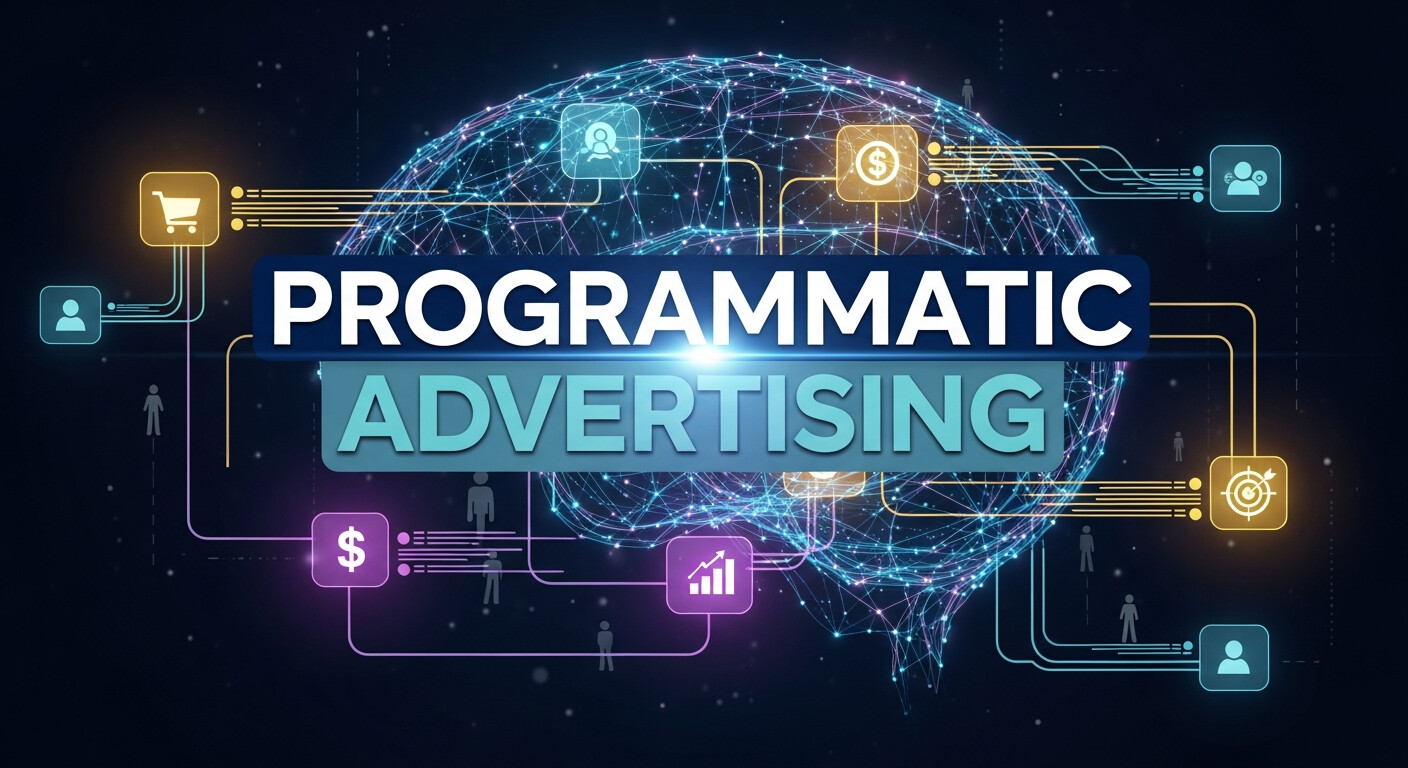
While DSPs are often associated with performance marketing, they also play a vital role in building long-term brand equity. Consistent messaging, premium inventory selection, and contextual relevance help shape positive brand perceptions over time. Programmatic advertising allows brands to maintain an always-on presence, reinforcing brand values across digital environments. When used strategically, DSP campaigns can nurture familiarity, trust, and loyalty. Brands that balance short-term performance goals with long-term brand-building objectives are better positioned for sustainable growth in competitive markets.
How Brands Can Thrive with DSPs
To stand out in the oversaturated digital landscape, brands need to master the use of DSPs while fostering authenticity and creativity. Here’s how to get started:
1. Build a Strong Data Strategy
Data is the fuel that drives DSPs. Brands should prioritize collecting first-party data ethically and supplement it with reliable third-party sources. Ensure your data strategy aligns with privacy laws and consumer expectations.
2. Prioritize Ad Quality
Consumers are more likely to engage with ads that are visually appealing and authentic. Leverage a mix of static banners, engaging videos, and interactive content to capture attention. Don’t just sell products; tell brand stories.
3. Experiment with Channels
One of the beauties of DSPs is their ability to unite multiple channels. Experiment with placing ads on connected TV, streaming audio platforms, and even gaming apps, to see what resonates most with your target audience.
4. Maintain Transparency
Use DSP tools that offer full transparency into where your ads are placed. Transparency helps brands avoid contextual mismatches or low-quality ad placements.
5. Leverage AI for Optimization
AI-powered AI features within DSPs can help automate and optimize campaigns even further. Set performance benchmarks like cost-per-click (CPC) or cost-per-acquisition (CPA), and use AI to keep campaigns on track.
The Future of DSPs in Brand Marketing
DSP technology will only grow more complex, streamlined, and impactful. Some trends we can expect include:
- Better AI Integration
AI will continue to play a key role, predicting user behavior with even more accuracy and automating optimization processes further.
- More Personalization
Hyper-personalized advertising fueled by DSP insights will connect individual users to brand narratives in meaningful ways.
- Integration with Emerging Platforms
As platforms like AR/VR and the metaverse grow, DSPs will evolve to meet the demand for seamless, immersive advertising.
Elevate Your Brand Strategy with DSP-Driven Marketing
DSPs transformed brand marketing from an art to a science. They offer an easy way to simplify ad management, find your ideal audience and get the highest possible return on investment. But, while DSP-driven marketing is here to stay, mastering it takes a sound data foundation, creative storytelling and a commitment to addressing audiences’ needs.
With DSPs at the forefront, companies can now create more compelling, personalized and engaging ad experiences for their users. Are you excited to overhaul your brand marketing approach?
Frequently Asked Questions (FAQ)
What is a demand-side platform (DSP)?
A demand-side platform (DSP) is an automated advertising technology that allows brands and agencies to purchase digital ad inventory across multiple publishers in real time. DSPs enable precise audience targeting, real-time bidding, and campaign optimization using data, AI, and machine learning.
How do DSPs differ from traditional advertising methods?
Traditional advertising relies on manual negotiations with publishers and broad audience targeting. DSPs automate the buying process, offer granular audience segmentation, and provide real-time performance insights, making advertising more efficient, scalable, and data-driven.
Are DSPs only suitable for large brands?
No. While large brands benefit from DSP scale, small and mid-sized businesses can also use DSPs effectively. Many platforms offer flexible budgets, self-serve options, and targeting tools that make programmatic advertising accessible to businesses of all sizes.
What types of ads can be run through a DSP?
DSPs support a wide range of ad formats, including display banners, video ads, native ads, mobile ads, connected TV (CTV), and digital audio ads. This allows brands to execute unified, cross-channel advertising campaigns from a single platform.
How do DSPs use data for targeting?
DSPs leverage first-party, second-party, and third-party data to build audience segments based on demographics, interests, behaviors, location, and intent signals. This data-driven approach ensures ads reach the most relevant users.
Is programmatic advertising safe with data privacy regulations?
Yes, when done correctly. Reputable DSPs comply with regulations like GDPR and CCPA and offer privacy-safe targeting options. Brands must use consent-based data and prioritize transparency to stay compliant.
How do brands prevent ad fraud when using DSPs?
Brands can reduce ad fraud by choosing DSPs with built-in fraud detection, brand safety tools, and transparent reporting. Partnering with trusted verification vendors also helps ensure ads are shown to real users in suitable environments.
What metrics should brands track in DSP campaigns?
Key metrics include impressions, click-through rate (CTR), conversions, cost-per-click (CPC), cost-per-acquisition (CPA), viewability, and return on ad spend (ROAS). Tracking these helps optimize performance and measure ROI.
How long does it take to see results from DSP advertising?
Results can appear quickly, often within days, due to real-time optimization. However, long-term success depends on continuous testing, data refinement, and creative optimization over time.
What is the future of DSPs in brand marketing?
The future of DSPs includes deeper AI integration, more personalized advertising, cookieless targeting solutions, and expansion into emerging channels like AR, VR, and immersive digital experiences.