The Ultimate Guide to DMP Programmatic Advertising
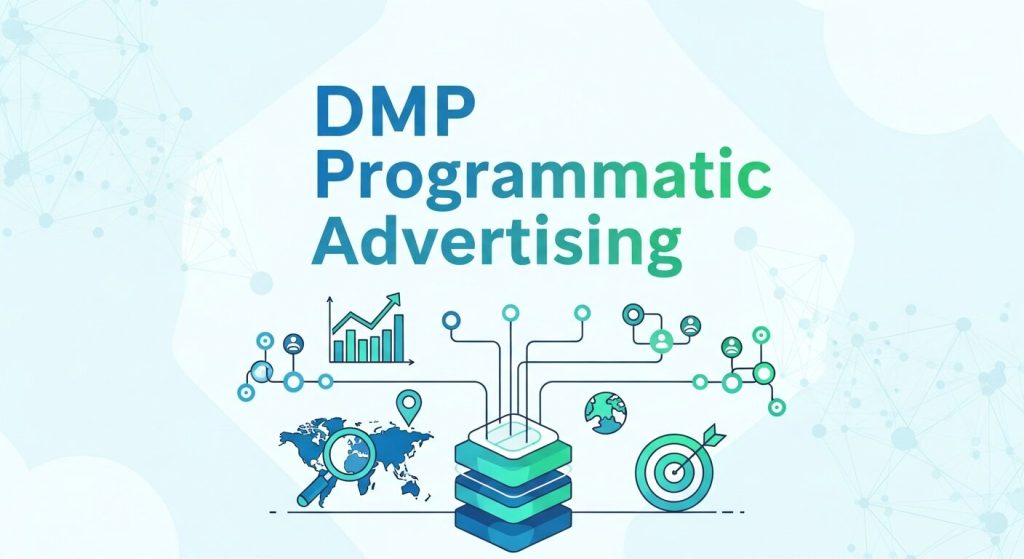
In contemporary marketing, data is the messenger. Before the launch of the DMP (Data Management Platform) programmatic advertising, companies have struggled to effectively and efficiently run their digital marketing campaigns. But what exactly is DMP programmatic advertising, and how can businesses leverage it to get the most out of their efforts?
The following guide examines the power of DMPs in programmatic, what they can do, and why it has become an essential tool for marketers worldwide.
What is DMP Programmatic Advertising?
Before we dig deeper, let’s break the concept down.
A Data Management Platform (DMP) is software used to collect, store, and manage data from various sources, including online and offline channels. It helps advertisers organize and analyze data about their audiences.
Programmatic advertising, on the other hand, is the automated buying and selling of digital ad space. It uses AI and machine learning to make real-time bidding decisions, ensuring that ads are shown to the most suitable audience at the right time.
Combining these two creates the ultimate tool for precision advertising. A DMP feeds valuable audience insights into the programmatic advertising process, guiding campaigns toward a more targeted and personalized strategy.
Why DMP Programmatic Advertising Matters
Here are a few reasons why businesses are turning to DMPs to power their programmatic campaigns:
- Efficiency: Programmatic advertising automates the ad-buying process. Adding DMP insights ensures campaigns are based on quality data from the start.
- Precision Targeting: A DMP enables businesses to segment audiences into highly specific groups using behavioral, demographic, geographic, or contextual data.
- Cost-Effectiveness: By targeting the right people at the right time, businesses can maximize their ROI by reducing wasted ad spend.
- Personalization: With the help of DMP-driven segmentation, ads can be tailored to match audience preferences, driving higher engagement and conversion rates.
How DMP Programmatic Advertising Works
To fully understand how DMP programmatic advertising operates, let’s break it down into four key steps:
1. Collecting Data
A DMP gathers data from various sources, including:
- First-Party Data: Information gathered directly from your website, apps, or CRM systems.
- Second-Party Data: Data shared by trusted business partners.
- Third-Party Data: Purchased data from external providers, such as audience demographics or browsing patterns.
This rich dataset forms the foundation of your advertising strategy.
2. Organizing and Segmenting Data
Once data is collected, a DMP organizes it into central profiles and audience segments. For instance:
- Customers who abandoned their shopping cart.
- Users who frequently visit specific pages.
- New visitors with potential to convert.
These segments help brands tailor ad campaigns for precise audience targeting.
3. Activating Data in Real Time
Through integrations, the DMP feeds audience insights into programmatic advertising platforms like DSPs (Demand-Side Platforms). Based on this data, real-time ad buys are made, ensuring ads reach the right viewers when they’re most likely to act.
4. Analyzing Performance
After the campaign runs, the DMP evaluates its effectiveness. By analyzing performance metrics, marketers can refine future campaigns, optimizing spend and targeting criteria.
Key Benefits of DMP Programmatic Advertising
Enhanced Data Accuracy
With a DMP, businesses can integrate data from multiple sources to create a clear, unified view of their audience. This consolidated data ensures businesses are making informed decisions.
Improved Ad Relevance
Campaigns become hyper-targeted thanks to audience segmentation. Whether targeting frequent shoppers, email subscribers, or individuals from a specific location, businesses can deliver the right message to the right demographic.
Real-Time Insights
Programmatic campaigns thrive in dynamic environments. A DMP ensures campaigns are continually optimized by providing updated data insights. This means ads evolve with audience behavior.
Scalable Campaigns
Programmatic advertising excels when it comes to scalability. Businesses can run campaigns on vast networks of websites and apps, tailored by DMP insights for better results.
Best Practices for Successful DMP Programmatic Advertising
To make the most of your DMP-powered programmatic campaigns, follow these best practices:
Develop a Robust Data Strategy
Data is the backbone of any DMP. Ensure you’re collecting high-quality data from reliable sources. Build a strategy that combines first-party data with external data to enhance reach and accuracy.
Prioritize Privacy
With increasing calls for transparency, it’s essential to respect user privacy and comply with regulations like GDPR or CCPA. Use data responsibly and be clear about how it’s being collected and utilized.
Monitor Campaign Performance
Programmatic advertising isn’t a set-it-and-forget-it process. Use your DMP to continuously track performance, identify areas for improvement, and refine your targeting over time.
Invest in Integration
Ensure that your DMP integrates seamlessly with your preferred DSP and analytics platforms. This will streamline processes and enhance performance.
Use Cases of DMP Programmatic Advertising
Enterprises across industries are leveraging DMP programmatic advertising. Here are a few examples of how it’s being used effectively:
- Retail: Personalized ads for product recommendations based on online shopping behavior.
- Travel: Targeting frequent travelers with location-based ads for flights and hotels.
- Media & Entertainment: Engaging viewers with suggested shows or content based on viewing history.
Challenges in DMP Programmatic Advertising
While DMP-driven programmatic advertising offers immense potential, there are challenges to overcome:
- Complexity: Implementing a DMP requires technical knowledge and resources.
- Data Quality: Poor-quality or inaccurate data can lead to wasted ad spend.
- Privacy Concerns: Businesses must ensure compliance with evolving data privacy laws.
Why Now is the Time to Explore DMP Programmatic Advertising
Programmatic advertising is changing the kinds of relationships that brands form with customers. But without the proper data, campaigns can go nowhere. Combining programmatic advertising with a powerful DMP, companies are able to run smarter, more focused, and more efficient campaigns than they ever could before.
Now, by investing in DMP programmatic advertising, your business will be ready to meet consumer expectations as they progress and keep pace with the competition.
The Role of First-Party Data in Modern Advertising
As digital privacy regulations tighten and third-party cookies decline, first-party data has become the most valuable asset for advertisers. Data collected directly from websites, apps, CRM systems, and customer interactions offers accuracy, reliability, and compliance. DMPs help businesses centralize and activate this data across programmatic campaigns. By leveraging first-party insights, brands gain a clearer understanding of user intent, preferences, and behavior. This leads to more relevant ad experiences and stronger trust with audiences. First-party data also future-proofs advertising strategies by reducing dependence on external data providers. When used effectively, it becomes the foundation for sustainable, privacy-conscious, and high-performing programmatic advertising efforts.
How DMPs Support Cross-Channel Marketing
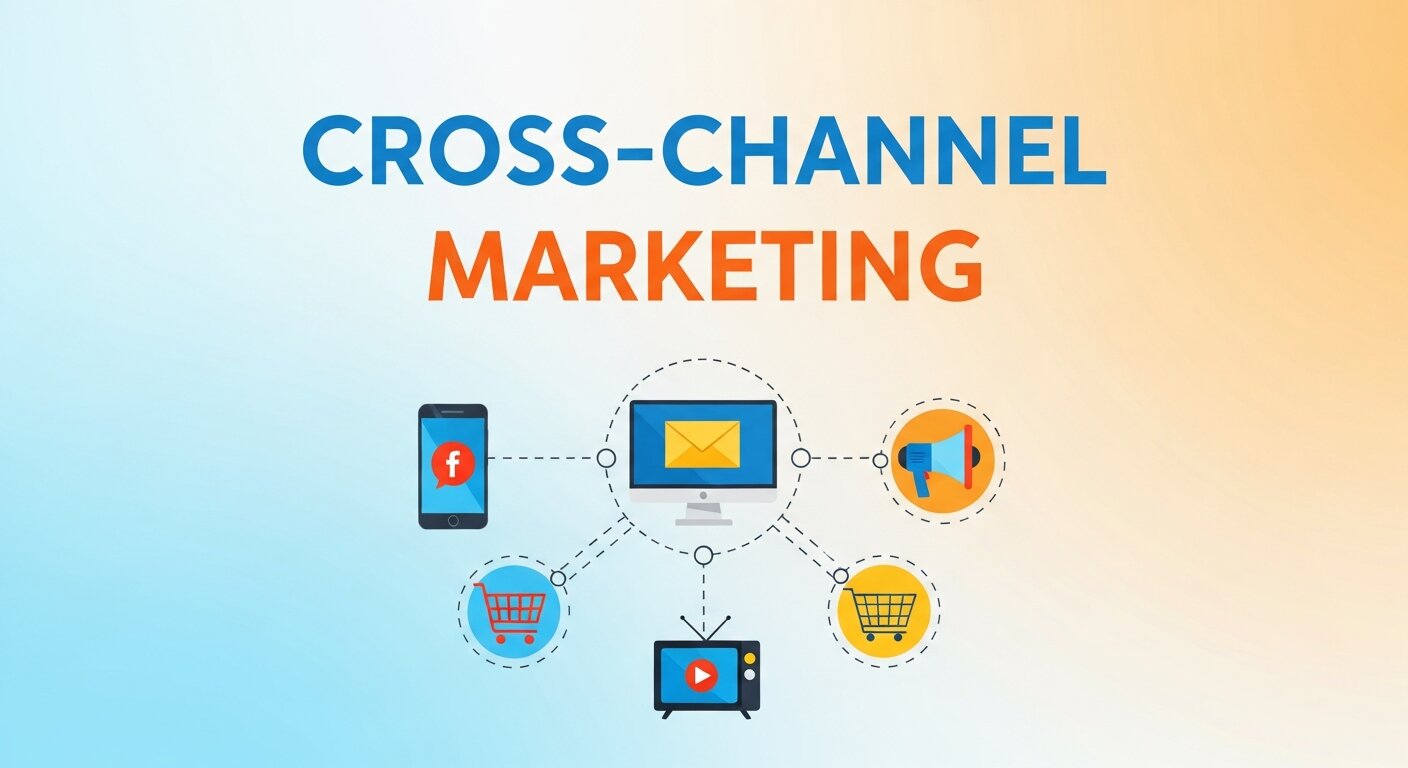
Consumers interact with brands across multiple digital touchpoints, including websites, mobile apps, social platforms, and connected TV. DMPs enable marketers to unify data from these channels into a single audience view. This consistency allows brands to deliver cohesive messaging across platforms rather than fragmented experiences. For example, a user exposed to a display ad can later receive a relevant video or mobile ad that aligns with their previous interaction. Cross-channel coordination improves brand recall and reduces repetitive or irrelevant messaging. With DMP-powered insights, marketers can orchestrate seamless journeys that guide users through the funnel more effectively.
Audience Segmentation Beyond Basic Demographics
Traditional audience targeting often relies on age, gender, or location. While useful, these factors alone fail to capture real buying intent. DMPs enable advanced segmentation based on behaviors, interests, purchase history, and engagement patterns. Marketers can identify users who frequently research products, revisit pricing pages, or abandon carts. These behavioral signals provide deeper insight into readiness to convert. By moving beyond surface-level demographics, advertisers can create segments that reflect real-world decision-making. This results in more precise targeting, stronger engagement, and campaigns that align closely with user needs and expectations.
Improving Customer Journey Mapping with Data
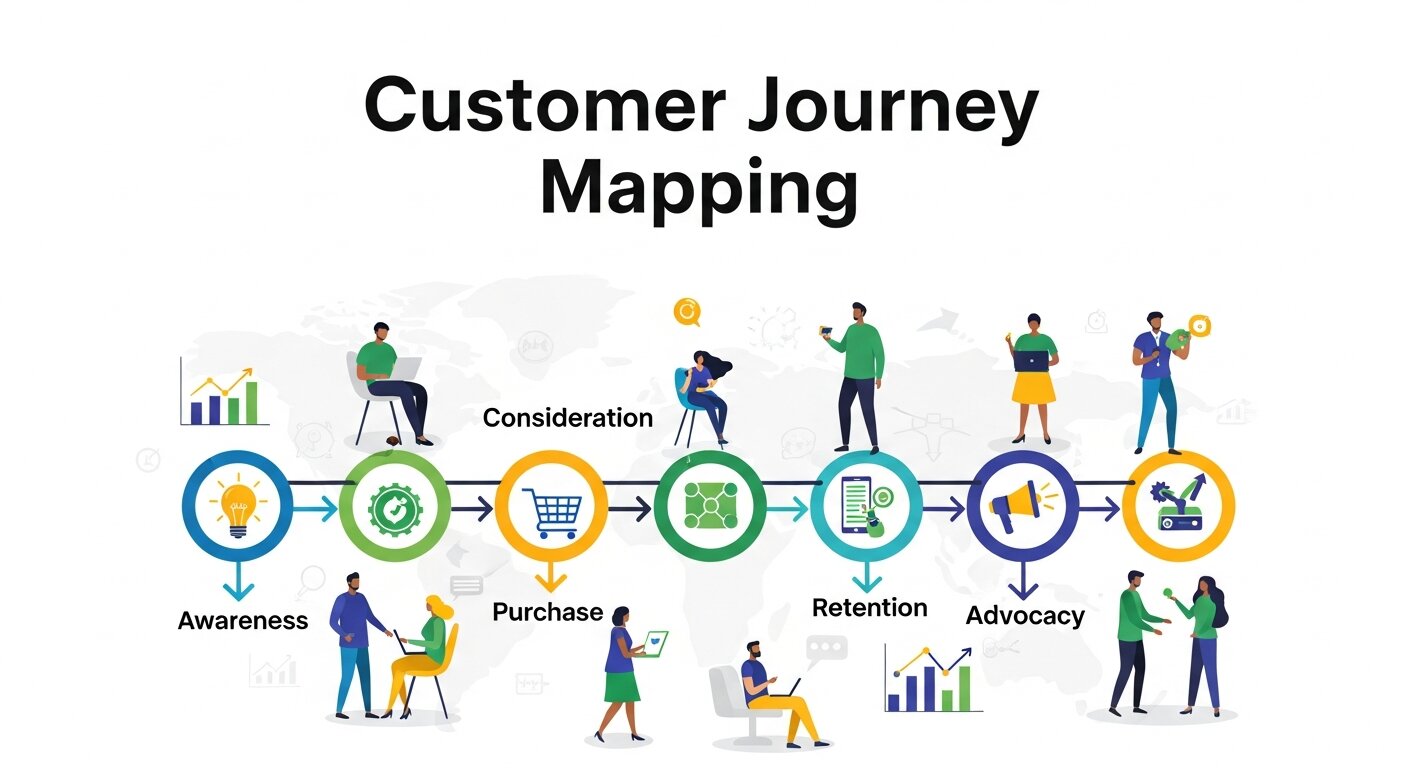
Understanding the customer journey is essential for effective digital advertising. DMPs help map how users move from awareness to consideration and conversion. By tracking interactions across channels and devices, marketers can identify drop-off points, high-engagement moments, and conversion triggers. These insights allow for smarter campaign adjustments at each stage of the journey. Ads can be aligned with user intent, whether they are discovering a brand or ready to make a purchase. Improved journey mapping ensures advertising supports users rather than interrupts them, leading to smoother experiences and higher conversion rates.
The Importance of Data Hygiene and Accuracy
Even the most advanced DMP cannot deliver results if the underlying data is flawed. Data hygiene plays a critical role in campaign success. Duplicate records, outdated information, and inconsistent data sources can distort audience insights and lead to inefficient targeting. Regular data audits, cleansing processes, and validation checks help maintain accuracy. High-quality data ensures segmentation is reliable and insights reflect real user behavior. By prioritizing data accuracy, businesses reduce wasted ad spend and improve performance. Clean data also strengthens decision-making, allowing marketers to trust the insights driving their programmatic strategies.
Aligning DMP Insights with Creative Strategy

Data alone does not guarantee campaign success. Creative execution must align with audience insights to deliver meaningful impact. DMPs inform creative teams about user preferences, behaviors, and intent, helping tailor messaging accordingly. For example, different creatives can be served to new prospects versus returning users. Messaging can emphasize education, comparison, or urgency based on audience signals. When data and creativity work together, ads feel relevant rather than intrusive. This alignment improves engagement rates and brand perception. Successful programmatic advertising balances analytical precision with compelling storytelling.
Preparing for the Future of Programmatic Advertising
The digital advertising landscape continues to evolve rapidly. Privacy regulations, identity solutions, and emerging technologies are reshaping how data is collected and activated. DMPs are adapting by supporting consent management, contextual targeting, and first-party data activation. Businesses that invest now in flexible data infrastructure will be better positioned for future changes. Preparing for the future means choosing platforms that evolve with industry standards and consumer expectations. A forward-looking approach ensures programmatic strategies remain effective, compliant, and competitive in an increasingly data-driven world.
Take the Next Step
If you’re ready to supercharge your digital advertising with DMP programmatic technology, there’s no better time to get started. Focus on building smarter strategies driven by data insights and deliver campaigns that truly resonate with your audience.
Want to learn more about how to integrate DMP programmatic advertising into your business? Contact us today!
Frequently Asked Questions (FAQ)
What is DMP programmatic advertising?
DMP programmatic advertising combines a Data Management Platform (DMP) with automated ad buying technology. The DMP collects and organizes audience data, while programmatic advertising uses that data to place ads in real time. Together, they help businesses deliver highly targeted, personalized ads to the right audience at the right moment.
How does a DMP differ from a DSP?
A DMP focuses on data collection, audience segmentation, and analysis. It does not buy ads directly. A DSP (Demand-Side Platform), on the other hand, is used to purchase ad inventory automatically. In programmatic advertising, the DMP feeds audience insights into the DSP to guide smarter ad-buying decisions.
What types of data does a DMP use?
A DMP typically works with first-party data from websites and CRM systems, second-party data shared by partners, and third-party data from external providers. Combining these data sources helps marketers create detailed audience profiles and improve targeting accuracy.
Is DMP programmatic advertising suitable for small businesses?
While DMP programmatic advertising is commonly used by mid-sized and enterprise businesses, small businesses can also benefit if they have enough data and budget to support targeted campaigns. The key is starting with strong first-party data and scaling efforts gradually.
How does DMP programmatic advertising improve ROI?
By using accurate audience data, campaigns focus only on users who are most likely to engage or convert. This reduces wasted impressions and ad spend. Better targeting, real-time optimization, and improved relevance all contribute to higher return on investment.
Are DMPs still relevant in a cookieless future?
Yes, DMPs are evolving to adapt to privacy-first environments. Many now focus more heavily on first-party data, contextual targeting, and privacy-compliant identity solutions. These changes ensure DMPs remain valuable even as third-party cookies decline.
How long does it take to see results from DMP-powered campaigns?
Results can begin appearing within weeks, especially in terms of engagement and audience insights. However, meaningful performance improvements typically occur over time as data accumulates and campaigns are continuously optimized.