Retail Media Advertising: Connecting Brands with Shoppers Through Smarter Promotion
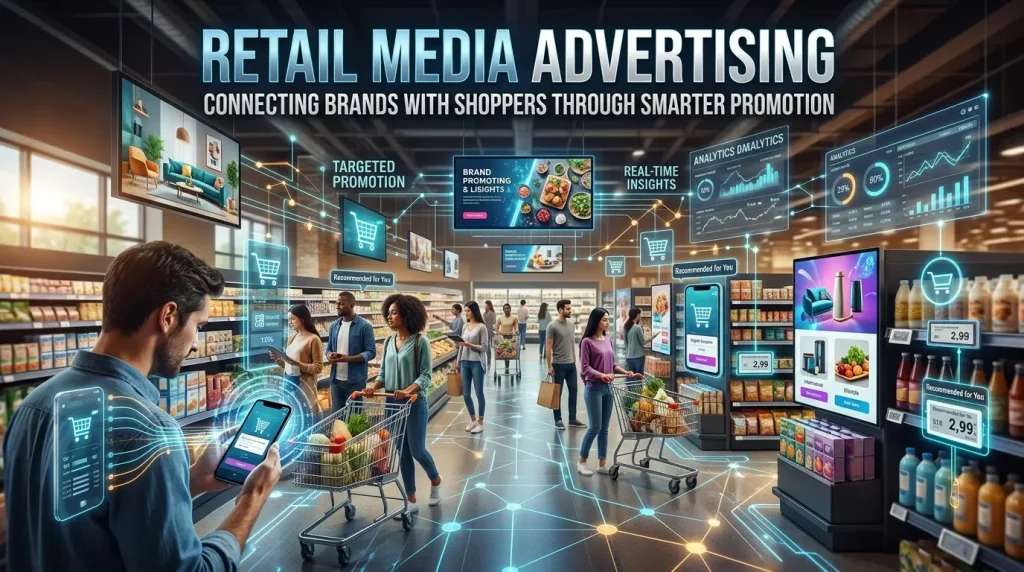
Retail Media Advertising is transforming how brands connect with consumers by placing promotional messages across retailer-owned digital platforms, websites, mobile applications, and physical stores. It allows businesses to reach shoppers using valuable retail audience data and deliver advertisements closer to purchasing decisions. Through sponsored product placements, in-store digital displays, and targeted ecommerce campaigns, brands can improve product visibility, strengthen customer engagement, and measure advertising performance more effectively. As retail media networks continue to expand, they are becoming an important part of modern advertising strategies for both established companies and growing businesses.
The relationship between shopping and advertising has changed significantly as consumers increasingly combine online research, digital browsing, and physical store visits before making purchasing decisions. A shopper might discover a product through a retailer’s website, compare different brands using a mobile application, and eventually purchase the item from a nearby store. This connected shopping experience has created new opportunities for brands to reach potential customers at different stages of their buying journey.
Retail Media Advertising has emerged as an important part of this transformation. Instead of relying exclusively on traditional advertising channels, businesses can promote their products through retailer-owned platforms where consumers are already researching and purchasing products. These advertising opportunities include sponsored product listings, homepage placements, digital banners, personalized recommendations, and displays inside physical stores.
One of the biggest advantages of this approach is its connection to shopping activity. Retailers often possess valuable information about product searches, browsing behavior, purchase history, and customer preferences. When used responsibly, these insights help advertisers develop more relevant campaigns and reach audiences who may already be interested in particular product categories.
For brands, retail media creates an opportunity to improve product discovery while connecting advertising exposure with measurable retail outcomes. For retailers, it introduces an additional revenue stream and strengthens relationships with brands that want to reach their customer base.
The Growing Influence of Retail Media Networks
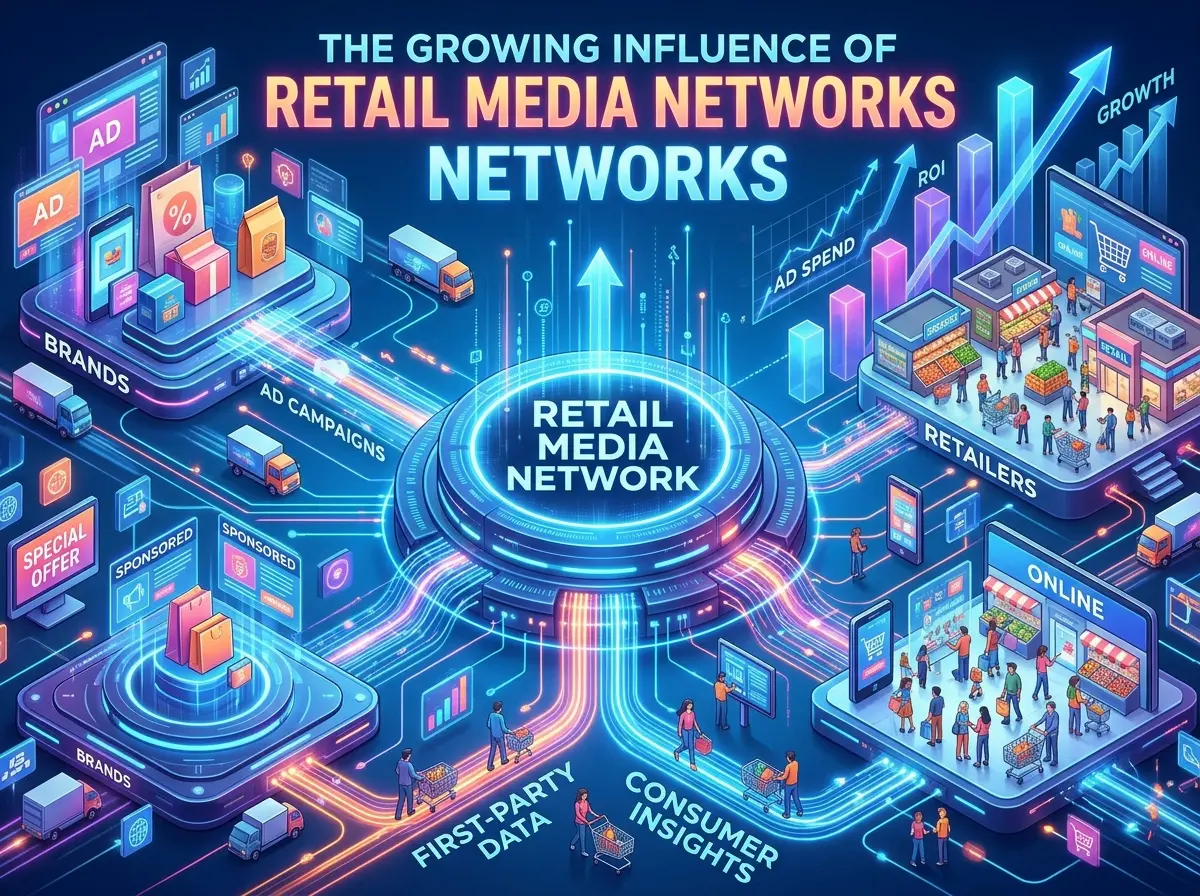
Retail Media Networks are advertising ecosystems operated by retailers that allow brands to promote products through their digital and physical shopping environments. These networks provide access to advertising placements using retailer audiences, shopping information, and promotional inventory.
Large ecommerce businesses, supermarket chains, department stores, and specialized retailers can all develop retail media networks. Their advertising environments may include product search results, category pages, promotional banners, mobile applications, and digital screens located inside stores.
The appeal of these networks comes from their proximity to purchasing activity. Traditional digital advertisements often reach consumers while they are reading articles, watching videos, or browsing unrelated websites. Retail media advertisements, however, can appear when shoppers are actively exploring products or comparing purchasing options.
For example, someone searching for a particular skincare product on a retailer’s website might encounter sponsored listings from brands offering similar items. These advertisements appear within an environment where the shopper already has an interest in the product category.
Retailers can also use their networks to create advertising opportunities for brands that want to reach specific customer segments. Campaigns may focus on product categories, shopping interests, previous purchasing behavior, or other permitted audience characteristics.
As competition increases across ecommerce marketplaces, these networks are becoming important advertising channels for brands seeking stronger product visibility and more relevant customer connections.
Why Retail Media Advertising Is Changing Brand Promotion
Retail Media Advertising offers a different relationship between advertising exposure and purchasing behavior. Rather than measuring success only through impressions or website traffic, businesses can connect campaign performance with product views, add-to-cart activity, and completed purchases when suitable measurement systems are available.
This creates a more commercially focused advertising environment.
A consumer browsing a retailer’s electronics section may already be comparing laptops, accessories, or other technology products. A relevant advertisement appearing during that research process can influence which products receive additional attention.
The same principle applies to groceries, fashion, home improvement, beauty products, and other retail categories. Advertising becomes more useful when its message matches the shopper’s immediate interests.
Retail media also creates opportunities for smaller brands. Businesses that may struggle to compete through broad advertising campaigns can use targeted placements to increase visibility among relevant shoppers. Although advertising costs and competition vary across platforms, retailers can provide access to audiences that would otherwise be difficult to reach.
Another important advantage is the relationship between retailers and brands. Retailers understand their shopping environments, while manufacturers and advertisers understand their products and customer positioning. When both parties coordinate their objectives, campaigns can deliver more relevant promotional experiences.
Sponsored Product Ads and Their Role in Product Discovery
Sponsored Product Ads are among the most recognizable forms of retail media advertising. These placements allow brands to promote individual products within retailer search results, category listings, and other product discovery areas.
Their positioning is particularly valuable because shoppers often use retail search functions when they already have a product or category in mind. A sponsored listing can introduce a relevant brand before the consumer makes a final decision.
For example, a shopper searching for wireless headphones may see several sponsored products alongside organic search results. The advertisement gives participating brands an opportunity to attract attention through product images, descriptions, pricing information, and customer ratings where available.
However, visibility alone does not guarantee success. Product quality, pricing, reviews, inventory availability, and listing information all influence whether a shopper decides to purchase.
Brands therefore need to consider how their advertisements connect with the overall product experience. An attractive sponsored placement may generate clicks, but an incomplete product description or an uncompetitive price can reduce the likelihood of conversion.
Sponsored listings also provide useful performance information. Advertisers can evaluate impressions, clicks, advertising costs, conversion rates, and attributed sales, depending on the measurement capabilities of the retail media platform.
These insights help businesses understand which products attract attention and which placements generate stronger commercial results.
How Retail Advertising Campaigns Reach Modern Shoppers
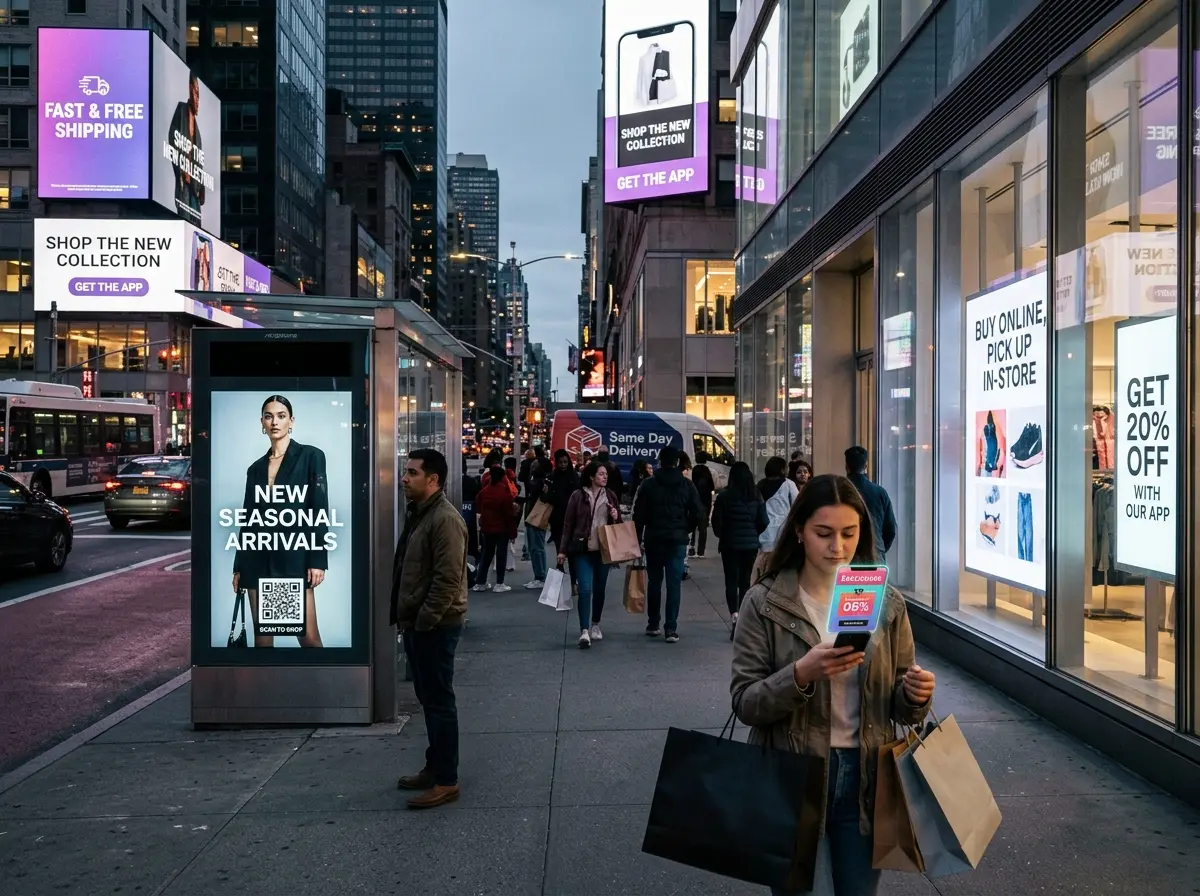
Retail Advertising Campaigns can operate across several connected environments, allowing brands to communicate with consumers during different stages of the shopping journey.
Digital campaigns frequently use retailer websites and mobile applications to promote products through banners, sponsored search placements, category advertisements, and personalized recommendations. These placements can reach shoppers while they explore different product options.
Some retailers also offer off-site advertising opportunities. In these arrangements, brands can use permitted retailer audience information to reach relevant consumers through external advertising channels. This extends campaign visibility beyond the retailer’s own website or application.
The relationship between retail media and broader advertising technology is particularly important here. Programmatic systems can help automate the buying and delivery of digital advertisements across available inventory. Businesses interested in the technology behind automated media purchasing can explore Programmatic Ads, which explains how automated advertising contributes to modern campaign delivery.
Retail media campaigns can also support product launches, seasonal promotions, new customer acquisition, and brand awareness. A company introducing a new product might combine sponsored listings with homepage placements and targeted promotional banners to create a consistent presence throughout the retailer’s shopping environment.
The strongest campaigns connect their advertising placements with the actual interests of their target shoppers rather than distributing the same promotional message across every available location.
The Expanding Role of In-Store Digital Advertising
Although ecommerce receives considerable attention in retail media discussions, physical stores remain an important part of the advertising ecosystem. Many consumers continue to visit supermarkets, shopping centers, department stores, and specialized retail locations to evaluate products and complete purchases.
In-Store Digital Advertising allows retailers to use digital screens and interactive displays to communicate promotional messages within these physical environments.
These advertisements may appear near product shelves, checkout areas, entrances, service counters, and other high-visibility locations. Brands can use them to highlight new products, promote special offers, introduce seasonal collections, or increase awareness of selected product categories.
For instance, a food brand might advertise a new snack near the relevant supermarket aisle. A household products company could promote a cleaning solution through digital displays located near related products.
The value of these placements comes from their connection to the immediate shopping environment. A shopper who encounters a relevant advertisement while considering a purchase may be more likely to notice the promoted product.
Retailers can also coordinate digital screen content with online promotions. This creates a more consistent shopping experience for consumers who interact with the same brand through mobile applications, ecommerce websites, and physical stores.
However, successful in-store advertising depends on placement quality, display visibility, message relevance, and reliable measurement. Retailers must understand how shoppers move through their stores before deciding where advertising inventory will provide the greatest value.
Ecommerce Retail Ads and the Importance of Digital Visibility
Ecommerce Retail Ads provide brands with opportunities to reach customers throughout online shopping environments. As consumers increasingly research products through retailer websites and mobile applications, digital advertising has become an important method of influencing product discovery.
These advertisements can appear in search results, product detail pages, homepage banners, category sections, and recommendation areas. Each placement serves a different purpose.
Search advertisements are useful when consumers are actively looking for products. Homepage placements can introduce brands to shoppers who are exploring the retailer’s wider catalog. Product detail advertisements can highlight alternatives or complementary items when consumers are comparing options.
The effectiveness of these placements depends on how well they match the shopper’s needs.
A consumer researching home office furniture, for example, may respond more positively to advertisements for desks, office chairs, and lighting than to unrelated product promotions. Relevant advertising makes product discovery more convenient while helping brands attract attention from interested audiences.
Retailers can also use ecommerce advertising information to understand which categories receive strong interest and how shoppers respond to promotional placements.
However, brands should avoid treating every click as evidence of meaningful customer interest. Campaign performance should be evaluated alongside product sales, customer behavior, advertising costs, and longer-term business objectives.
Shopper Marketing and the Psychology of Purchase Decisions
Shopper Marketing focuses on influencing consumer decisions within shopping environments. It considers the different factors that affect how people discover, evaluate, compare, and purchase products.
Retail media advertising supports shopper marketing by connecting promotional messages with relevant shopping activities.
For example, a consumer purchasing coffee might also explore coffee machines, filters, or complementary products. Retailers can use suitable product relationships and shopping insights to present relevant recommendations.
This creates opportunities for cross-selling and product discovery while making the shopping experience more convenient.
Shopper marketing also involves understanding differences between consumer awareness and purchase readiness. Someone browsing a category for the first time may respond to informative brand content, while a shopper comparing specific products may be more interested in pricing, product features, and customer reviews.
Retail media campaigns can reflect these differences through varied advertising placements and messages.
Brands that understand shopper motivations can develop more relevant promotional experiences. Instead of focusing only on product exposure, they can consider why consumers are exploring particular categories and what information may help them make confident purchasing decisions.
Retail Ad Targeting Through First-Party Shopping Data
One of the most valuable aspects of retail media is the availability of retailer first-party data. Retailers may have access to information about product searches, purchasing patterns, category interests, and customer interactions within their own environments.
Retail Ad Targeting uses suitable audience information to help advertisers deliver messages to consumers who are more likely to find their products relevant.
For instance, a sportswear brand may want to reach shoppers interested in fitness clothing and athletic accessories. A home appliance company might focus on consumers exploring kitchen equipment and household technology.
Retailers can develop audience segments using permitted information and provide advertising opportunities that match brand objectives.
However, targeting should be based on responsible data practices. Advertisers and retailers need to follow applicable privacy regulations, respect consent requirements, and use customer information only for authorized purposes.
Data accuracy also matters. Outdated purchasing information or poorly defined audience segments can reduce campaign relevance and waste advertising budgets.
As privacy expectations continue to evolve, retail media networks that combine useful audience insights with transparent data practices will be better positioned to maintain advertiser and consumer trust.
Choosing Retail Media Platforms for Advertising Growth
Retail Media Platforms provide the technology and advertising infrastructure needed to manage campaigns within retailer ecosystems. They may support campaign creation, audience selection, advertising placement, budget management, reporting, and performance measurement.
Different platforms offer different capabilities. Some focus primarily on sponsored product listings, while others provide a wider selection of onsite, offsite, and in-store advertising opportunities.
When evaluating a platform, businesses should consider its audience relevance, product category coverage, available placements, reporting features, and advertising costs.
The quality of measurement is particularly important. Advertisers need to understand how impressions, clicks, conversions, and attributed sales are calculated. Different platforms may use different attribution windows and measurement methods, making direct comparisons difficult.
Retailers and brands should also consider how easily campaign information can be connected with their existing marketing systems.
The growing relationship between retail media and automated advertising technology is creating additional opportunities for campaign management. Businesses interested in organizations and solutions within this area can learn more through Programmatic Advertising Anbieter, which discusses providers involved in programmatic advertising.
As retail media develops, platform selection will increasingly depend on how effectively advertising technology, audience information, and measurement capabilities work together.
Developing a Stronger Retail Advertising Strategy
A successful Retail Advertising Strategy should connect brand objectives with the shopping behavior of the intended audience. Campaigns need a clear purpose, whether that involves increasing product visibility, generating sales, supporting a new launch, or strengthening brand awareness.
Product positioning is an important starting point. Brands should understand how their products compare with competing items, what makes them valuable, and which customer needs they address.
Creative relevance also plays a major role. Product images, promotional messages, descriptions, and offers should communicate useful information without overwhelming shoppers. Clear messaging makes it easier for consumers to understand what a product offers.
Budget allocation requires careful consideration as well. Brands may distribute spending across sponsored listings, display advertisements, and off-site placements depending on their campaign objectives. Advertising investment should be evaluated against the expected commercial value of each placement.
Measurement should extend beyond short-term clicks. Businesses can examine attributed sales, return on advertising spend, new customer acquisition, product category performance, and changes in brand visibility.
Campaign performance should also be reviewed in relation to inventory and product availability. Promoting products that are unavailable or difficult to purchase can create unnecessary frustration and reduce advertising effectiveness.
Automation can support this process by helping businesses manage campaign activities and respond to changing performance conditions. AI-powered systems and automated marketing tools can also assist with campaign analysis, customer interactions, and advertising workflows. The wider role of intelligent automation in modern promotion is explored in Bot-Based Marketing.
Ultimately, a strong retail advertising strategy requires coordination between product information, audience relevance, creative messaging, campaign delivery, and performance measurement.
Measuring the Performance of Retail Media Campaigns

Retail Media Campaigns require meaningful performance measurement to determine whether advertising investment is generating business value.
Impressions show how often advertisements are displayed, while clicks indicate how frequently shoppers interact with them. Click-through rate helps advertisers understand how effectively an advertisement attracts attention relative to its exposure.
Conversion rate provides another important measurement by showing the proportion of interactions that result in a desired action, such as a purchase.
Return on advertising spend is frequently used to evaluate the revenue attributed to advertising relative to campaign expenditure. However, attribution methods vary, and this measurement should not automatically be treated as proof that every recorded sale was caused by an advertisement.
Other useful indicators include new-to-brand purchases, average order value, product detail page views, and sales growth within promoted categories.
Brands should also consider the possibility of advertising sales that would have occurred without the campaign. Incrementality testing can help determine whether advertising generates additional sales rather than simply receiving credit for existing customer demand.
A balanced measurement approach gives businesses a clearer understanding of campaign effectiveness. It also helps advertisers make informed decisions about future investment and identify placements that contribute meaningful results.
The Future of Retail Media Advertising
Retail media is continuing to develop as retailers expand their advertising capabilities and brands seek more measurable ways to reach consumers.
Artificial intelligence, automation, and improved analytics are expected to influence how campaigns are created, targeted, and evaluated. These technologies can help identify patterns in shopping behavior, improve audience segmentation, and support more relevant product recommendations.
The connection between physical stores and ecommerce will also become increasingly important. Retailers that combine digital advertising inventory with in-store screens and mobile shopping experiences can create more connected promotional environments.
Another important development involves measurement transparency. As advertising investment grows, brands will expect clearer reporting, consistent attribution methods, and better evidence of incremental business results.
Privacy will remain a central consideration. Retailers must balance the commercial value of shopping information with responsible data collection and consumer expectations.
Retail media advertising is therefore moving beyond simple sponsored listings. It is becoming a broader advertising ecosystem that connects retailers, brands, technology providers, and shoppers through increasingly integrated experiences.
Conclusion
Retail Media Advertising is changing how brands approach product promotion by bringing advertisements closer to shopping decisions. Through retail media networks, sponsored product placements, ecommerce advertising, and in-store digital displays, businesses can connect with consumers in environments where product discovery and purchasing naturally occur.
Its effectiveness depends on more than advertising visibility. Relevant audience targeting, useful creative content, accurate product information, reliable measurement, and responsible data practices all contribute to stronger campaign outcomes.
As retail platforms continue to develop, brands that understand shopper behavior and use retail media strategically will be better positioned to improve product discovery, strengthen customer relationships, and support sustainable advertising growth.
Frequently Asked Questions
1. What is Retail Media Advertising?
Retail Media Advertising is a form of digital and in-store promotion that allows brands to advertise products through retailer-owned websites, mobile applications, digital displays, and other shopping environments.
2. How do Retail Media Networks work?
Retail Media Networks allow retailers to offer advertising placements to brands using their digital properties, physical stores, and available audience insights. Advertisers pay to promote products and reach relevant shoppers.
3. What are Sponsored Product Ads?
Sponsored Product Ads are paid product placements that appear in retailer search results, category pages, and other shopping areas. They help brands improve product visibility among consumers exploring related products.
4. What is the difference between retail media and traditional digital advertising?
Traditional digital advertising often reaches audiences across general websites and digital channels. Retail media places advertisements within retail environments where consumers are actively researching, comparing, or purchasing products.
5. Why is In-Store Digital Advertising important?
In-Store Digital Advertising helps brands reach consumers while they are physically shopping. Digital screens and promotional displays can highlight products, communicate offers, and influence product discovery near purchasing locations.
6. What are Retail Media Platforms?
Retail Media Platforms are advertising systems that help retailers and brands manage promotional placements, select audiences, control campaign budgets, and evaluate advertising performance.
7. How does Retail Ad Targeting work?
Retail Ad Targeting uses suitable shopping information, product interests, and audience segments to deliver relevant advertisements to consumers who may be interested in particular products or categories.
8. What metrics are used to measure retail media campaigns?
Common metrics include impressions, clicks, click-through rate, conversion rate, attributed sales, return on advertising spend, and new-to-brand purchases. Incrementality can also help measure additional sales generated by advertising.
9. Can small businesses benefit from Retail Media Advertising?
Yes. Small businesses can use available retail advertising opportunities to improve product visibility and reach relevant shoppers. The most suitable approach depends on advertising costs, product margins, competition, and campaign objectives.
10. What is the future of Retail Media Advertising?
The future of retail media will likely involve greater AI integration, automated campaign management, improved audience insights, connected in-store and online advertising, and more transparent performance measurement.