Programmatic Advertising for Small Business Success

Programmatic advertising has evolved from an exclusive tool for big companies only. Small businesses and marketers who once found programmatic advertising intimidating or overly complicated are embracing it now that they realize it can reach their target customers better at a lower cost than traditional methods like TV ads.
This blog will take you through the basics of programmatic advertising, including what it is and how does works. You’ll learn why programmatic is the perfect solution for businesses, small or large, and hints on making full use of it that can help increase traffic while driving down conversion rates at the end of your marketing dollar..
What Is Programmatic Advertising?
Before we get into the nitty-gritty, let’s simplify programmatic advertising. It’s an automated process of buying and placing digital ads using advanced data and algorithms. These ads can appear across platforms like websites, apps, and even streaming services.
Here’s how it differs from traditional advertising methods:
- Automation removes the need for manual negotiations with publishers.
- Data-driven targeting ensures your ads reach the right audience at the right time.
- Real-time bidding (RTB) makes ad placement fast, competitive, and efficient.
For small businesses, it means greater control, better targeting, and scalable campaigns—even on a shoestring budget.
Why Small Businesses Should Consider Programmatic Advertising
Traditional advertising platforms often require considerable resources. Programmatic advertising, on the other hand, offers small businesses the ability to compete with larger players. Here’s why you should consider it:
Cost Efficiency
Contrary to popular belief, programmatic campaigns can be highly cost-effective. Real-time bidding ensures you only pay for ads shown to users most likely to convert. Coupled with precise targeting, small businesses can achieve a greater return on investment (ROI) without overspending.
Advanced Targeting Options
Imagine being able to target your ideal customers based on their behavior, interests, location, or even the device they’re using. Programmatic advertising offers an extensive range of targeting features, ensuring your message lands in front of the right audience.
Real-Time Optimization
Unlike static ad campaigns, programmatic allows you to track performance and adjust in real time. If a particular creative or platform isn’t delivering, your campaign can adapt instantly, ensuring no wasted ad spend.
Broader Reach
Small businesses often struggle to expand their reach. With programmatic advertising, you can connect with millions of potential customers across multiple channels, including display, video, native, and even connected TV.
Scalability
Whether you’re a local bakery or an e-commerce store shipping nationwide, programmatic campaigns can scale to fit your needs. Start small, test different strategies, and scale campaigns as you grow.
How to Leverage Programmatic Advertising for Small Businesses
Here’s a step-by-step guide to getting started with programmatic advertising for your business.
1. Define Your Goals
The foundation of any successful ad campaign is knowing what you want to achieve. Ask yourself:
- Do you want to increase brand awareness?
- Drive traffic to your website?
- Boost sales or conversions?
Clearly defined goals will shape every aspect of your campaign, from audience targeting to budget allocation.
2. Understand Your Audience
Take the time to understand who your target audience is. Use customer personas to identify demographics, interests, behaviors, and pain points. This will help you craft targeted ads that resonate and convert.
3. Choose the Right Programmatic Platform
There are several platforms geared toward small businesses. Popular programmatic ad platforms include:
- Google Display Network for broad reach and simplicity.
- Facebook Ads for targeted social engagement.
- The Trade Desk for advanced tools with scalability.
- Amazon Advertising for e-commerce businesses.
Choose a platform that aligns with your budget, technical skills, and campaign objectives.
4. Utilize Data and Metrics
Programmatic advertising thrives on data. Analyze historical data on your customers and campaigns to identify patterns. Use these insights to align your campaign settings, such as audience targeting, geographic reach, and bid strategy.
5. Select the Right Ad Formats
Different formats suit different objectives. Some popular options include:
- Display Ads for quick brand exposure.
- Video Ads for engaging storytelling.
- Native Ads for seamless integration with content.
- Connected TV Ads for exposure to streaming users.
Start with the formats that make the most sense for your target audience and budget.
6. Set a Realistic Budget
One of the biggest advantages of programmatic advertising is its scalability. You don’t need a massive budget to start. Most platforms allow you to set daily or total caps, ensuring you never spend more than you’re comfortable with.
7. Monitor and Optimize
This is where programmatic advertising shines. Regularly monitor your campaign’s performance metrics, like click-through rates (CTR), impressions, or conversions. Adjust bids, targeting, or creative assets accordingly to maximize results.
8. Stay Compliant and Ethical
With the increasing emphasis on data privacy, ensure your campaigns comply with regulations like GDPR and CCPA. Be transparent with how you collect and use customer data to maintain trust.
Programmatic Advertising for Seasonal Campaigns
Maximizing Sales During Peak Periods
Seasonal campaigns, like Black Friday, holiday shopping, or back-to-school promotions, are ideal for programmatic advertising. Small businesses can leverage programmatic platforms to increase visibility and conversions precisely when demand is high. Automation ensures campaigns are live exactly when needed, targeting audiences actively searching for seasonal products.
Key Strategies:
- Time-Sensitive Targeting: Schedule campaigns to run only during peak seasonal periods.
- Dynamic Creative Optimization (DCO): Adjust ad content to reflect seasonal themes, such as promotions, festive visuals, or limited-time offers.
- Audience Segmentation: Target users who have shown past interest in seasonal products or similar promotions.
Seasonal Campaign Performance Comparison
| Metric | Traditional Static Ads | Programmatic Seasonal Ads |
|---|---|---|
| Timing Flexibility | Low | High |
| Relevance to Audience | Medium | High |
| Real-Time Adjustments | None | Yes |
| ROI Potential | Moderate | High |
Real-Life Example of Programmatic Advertising Success
Meet Coffee Haven, a small coffee roastery in Seattle. Facing stiff competition from larger chains, they turned to programmatic advertising to promote their subscription coffee delivery.
What They Did:
- Used data to target coffee lovers searching for subscription options.
- Ran a mix of display and video ads showing freshly roasted beans.
- Targeted audiences within a specific radius to focus on locals.
Results:
- Achieved a 50% reduction in customer acquisition cost (CAC).
- Grew their subscriber base by 35% in three months.
- Increased local brand recognition, yielding higher foot traffic to their café.
This case demonstrates how small businesses, with the right strategy, can thrive using programmatic advertising.
Common Pitfalls and How to Avoid Them
While programmatic advertising offers massive potential, there are challenges to watch out for.
Lack of Clear Goals
Without well-defined objectives, campaigns can veer off course. Avoid this by regularly revisiting your initial goals and adjusting strategies accordingly.
Ignoring Campaign Insights
Programmatic platforms generate a wealth of actionable data. Use this to optimize performance rather than setting your campaign on autopilot.
Overlooking Creative Quality
Even with the best targeting, a poorly designed ad won’t convert. Invest in clear, visually appealing, and compelling ad creatives that align with your brand.
Failing to Test
Testing is critical in programmatic advertising. Experiment with different headlines, ad formats, and targeting settings to identify what works best for your audience.
Unlock the Power of Programmatic Advertising Today
The programmatic advertising compensates for small businesses’ limited resources. Combining automation, advanced targeting, and scalability, it allows you to challenge bigger competitors at a fraction of the cost. In terms of effectiveness and scale, you get more bang for your marketing buck.
For those eager to move their web promotion up a notch, you might try specialized programmatic advertising businesses. Set your objectives clearly; steer by the numbers, and don’t be afraid to experiment and fine-tune.
The entrepreneurial world has now grown so much more inclusive that all small business operators are able to benefit from the most up-to-date management techniques, fair competition at last! You know what to do.
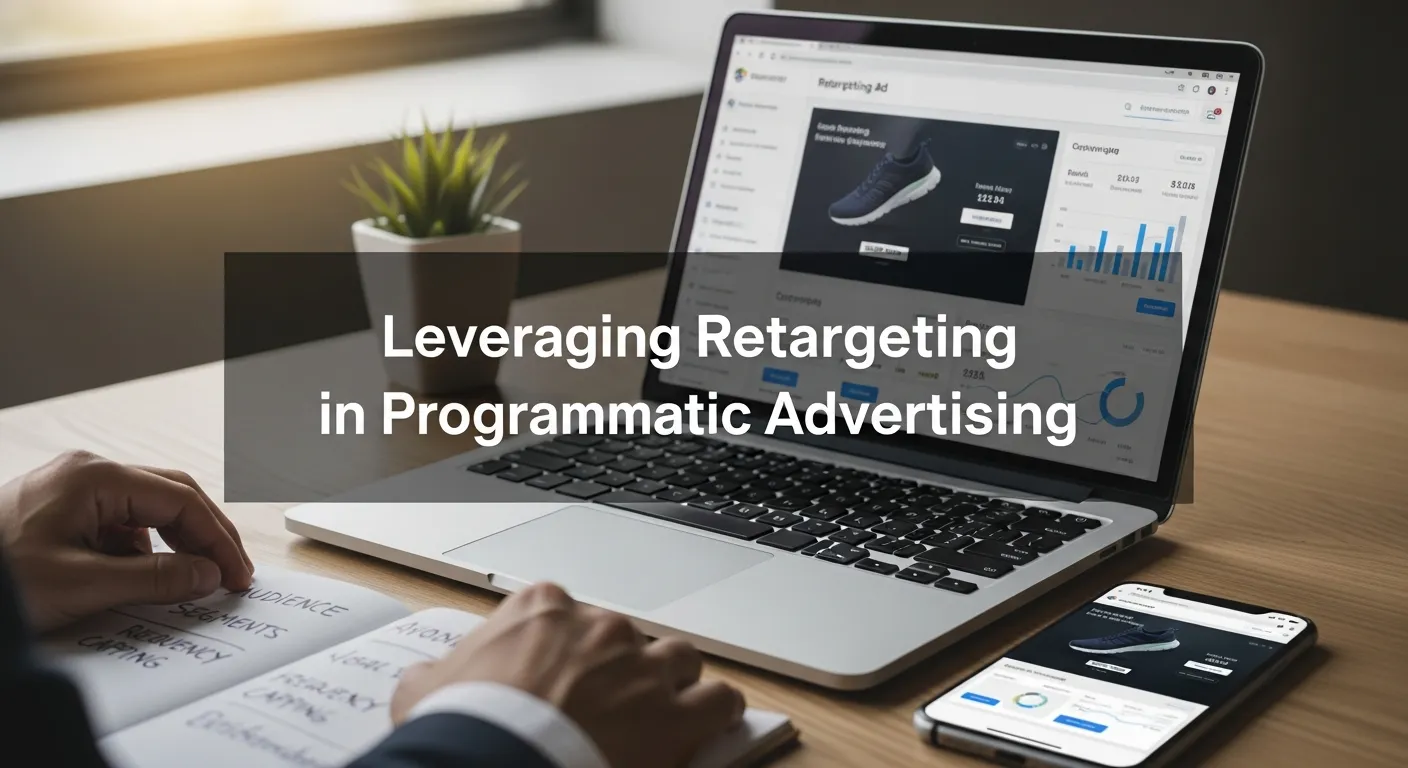
Leveraging Retargeting in Programmatic Advertising
Turning Interested Visitors Into Customers
Retargeting is one of the most effective ways to increase conversions and reduce customer acquisition costs (CAC). Small businesses can use programmatic advertising to automatically display personalized ads to users who have already interacted with their website, social media, or app.
Key Points:
- Behavioral Retargeting: Show ads to visitors who abandoned a shopping cart or browsed specific products.
- Cross-Device Retargeting: Reach users across desktop, mobile, and connected TV to maintain a consistent message.
- Frequency Capping: Control how often a retargeted ad appears to avoid annoying potential customers.
An online boutique can retarget users who added a product to their cart but did not purchase, offering a small discount in the ad to encourage conversion.
Retargeting Impact on Conversion Rates
| Retargeting Strategy | Conversion Rate | Cost per Conversion | Engagement Level |
|---|---|---|---|
| No Retargeting | 1.5% | $12 | Low |
| Manual Retargeting | 3.2% | $9 | Medium |
| Programmatic Retargeting | 6.8% | $5 | High |
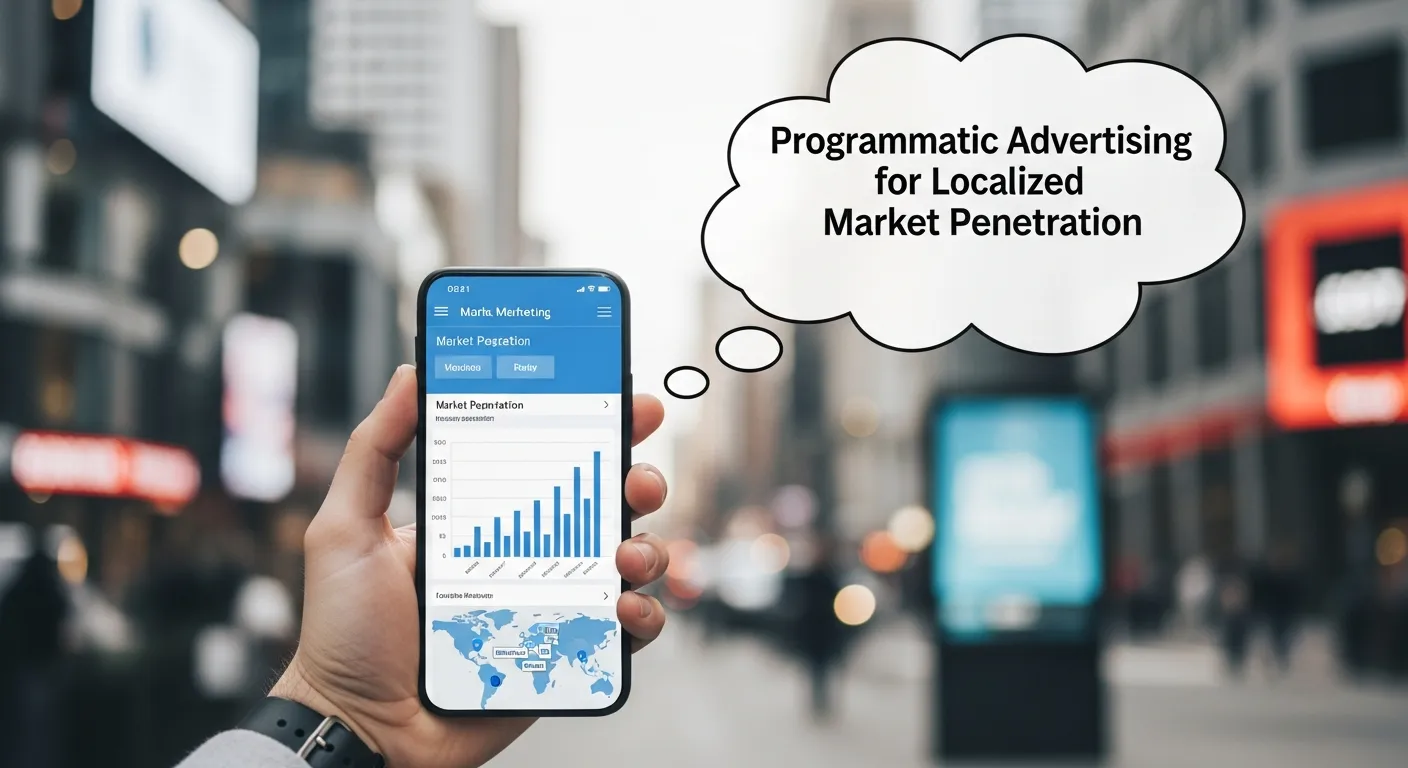
Programmatic Advertising for Localized Market Penetration
Targeting Micro-Regions for Maximum ROI
Small businesses often operate in local or regional markets. Programmatic advertising enables hyper-local campaigns that deliver messages to users in specific neighborhoods, ZIP codes, or even commuter routes, maximizing relevance while reducing wasted impressions.
Key Tactics:
- Geo-Fencing: Serve ads to potential customers within a defined geographic radius.
- Local Event Promotions: Tie ads to community events, store openings, or seasonal fairs.
- Behavioral + Location Targeting: Combine location with user interests to improve engagement.
A small gym can target ads to people who live within 3 miles and have previously searched for fitness classes or equipment.
Local vs Broad Programmatic Campaign Performance
| Campaign Type | Targeting Scope | Relevance | Engagement | Cost Efficiency | ROI Potential |
|---|---|---|---|---|---|
| Broad Digital Ads | Regional/National | Medium | Medium | Low | Medium |
| Local Programmatic | Neighborhood/ZIP | High | High | High | High |
Frequently Asked Questions About Programmatic Advertising
1. What is programmatic advertising?
Programmatic advertising is the automated process of buying and delivering digital ads using algorithms and data. It allows businesses to target the right audience in real time across multiple channels, including websites, apps, video, and connected TV.
2. How does programmatic advertising differ from traditional media buying?
Unlike traditional media buying, which involves manual negotiations and fixed ad placements, programmatic advertising uses real-time bidding (RTB) and automation. This ensures efficiency, precise targeting, and the ability to optimize campaigns on the fly.
3. Can small businesses benefit from programmatic advertising?
Yes. Programmatic advertising allows small businesses to compete with larger brands by providing cost-effective targeting, scalable campaigns, and measurable results. Even limited budgets can achieve high ROI when campaigns are properly optimized.
4. What types of ads can I run programmatically?
Programmatic advertising supports multiple ad formats, including display ads, video ads, native ads, connected TV ads, and audio ads (programmatic-audio-advertising). The right format depends on your campaign goals and target audience.
5. How does programmatic advertising improve engagement?
Through data-driven targeting and real-time optimization, programmatic advertising delivers personalized ads to the right users at the right time. Features like retargeting, sequential messaging, and dynamic creative optimization increase audience engagement and conversion rates.
6. What is programmatic retargeting, and why is it important?
Programmatic retargeting shows personalized ads to users who have already interacted with your website, social media, or app. It reduces customer acquisition costs (CAC) and increases conversions by keeping your brand top-of-mind for interested prospects.
7. How is programmatic advertising cost-effective?
Automation and real-time bidding ensure you only pay for impressions that reach your target audience. Combined with precise targeting and optimization, this prevents wasted spend and maximizes your ROI compared to traditional advertising.
8. Can programmatic advertising work for local businesses?
Absolutely. Local businesses can use geo-fencing, hyper-local targeting, and audience segmentation to deliver ads to specific neighborhoods, ZIP codes, or commuter routes. This ensures relevance and higher engagement within micro-markets.
9. How do I measure the success of programmatic campaigns?
Success can be measured using metrics like click-through rates (CTR), conversion rates, impressions, cost per acquisition (CPA), and ROI. Programmatic platforms provide real-time analytics, allowing adjustments to maximize campaign performance.
10. Is programmatic advertising safe and compliant with privacy regulations?
Yes, as long as you follow data privacy regulations like GDPR, CCPA, and any platform-specific policies. Programmatic advertising can be fully compliant when businesses collect and use customer data transparently and ethically.
New to the concept of automated ad buying? Don’t miss our full breakdown on The Rise of Programmatic Radio Advertising .