Local Programmatic Advertising: The Complete Guide for 2026
Local businesses face a unique challenge when advertising online. They need to reach the right customers at the right time, but without the massive budgets that national brands command. Traditional advertising methods often cast too wide a net, wasting precious marketing dollars on audiences who will never visit their physical location.
What is Local Programmatic Advertising?

Local programmatic advertising combines the precision of programmatic technology with location-based targeting. Unlike traditional programmatic advertising that focuses on broad demographic and behavioral data, local programmatic adds geographic parameters to ensure ads reach people within a specific area.
The process works through real-time bidding (RTB), where advertisers automatically bid on ad inventory across websites, mobile apps, and other digital platforms. The entire transaction happens in milliseconds, allowing advertisers to serve relevant ads to users based on their location, interests, and browsing behavior.
For local businesses, this means you can target potential customers who are within walking distance of your store, driving through your neighborhood, or searching for services in your area. The technology eliminates the guesswork from traditional advertising by using data to make informed decisions about where and when to show your ads.
How Local Programmatic Advertising Works

The programmatic advertising ecosystem consists of several key components working together to deliver targeted ads. Here’s how the process unfolds:
Real-Time Bidding Process
When someone visits a website or opens a mobile app, an ad request is sent to an ad exchange. This request includes information about the user, including their approximate location, device type, and browsing history. Advertisers using programmatic platforms can then bid on this ad space in real-time.
For local campaigns, the system evaluates whether the user falls within your target geographic area before placing a bid. If they do, your ad enters the auction. The highest bidder wins the ad placement, and their ad is displayed to the user—all within 100 milliseconds.
Location Targeting Methods
Local programmatic advertising uses several methods to determine user location:
GPS Targeting: Mobile devices provide precise location data through GPS signals. This method offers accuracy within a few meters, making it ideal for businesses wanting to target customers near their physical location.
IP Address Targeting: Desktop and mobile users can be targeted based on their IP address location. While less precise than GPS, this method still allows for city or neighborhood-level targeting.
Geofencing: This technique creates virtual boundaries around specific locations. When users enter these predefined areas, they become eligible to see your ads. Geofencing works particularly well for retail stores, restaurants, and service businesses.
Beacon Technology: Some programmatic platforms integrate with beacon technology, allowing ultra-precise targeting when customers are near or inside specific locations.
Benefits of Local Programmatic Advertising

Local programmatic advertising offers several advantages over traditional advertising methods, making it an attractive option for businesses of all sizes.
Cost Efficiency
Traditional advertising often requires significant upfront investments with uncertain returns. Local programmatic advertising operates on a cost-per-click (CPC) or cost-per-impression (CPM) basis, allowing businesses to set specific budgets and only pay when users engage with their ads.
The automated nature of programmatic buying also eliminates many of the manual processes associated with traditional media buying, reducing overhead costs and allowing for more efficient budget allocation.
Precise Targeting Capabilities
Location targeting is just the beginning. Local programmatic platforms allow businesses to layer additional targeting criteria on top of geographic parameters. You can target users based on demographics, interests, shopping behavior, and even weather conditions.
This precision means you can create highly specific campaigns, such as targeting coffee lovers within a two-mile radius of your café during morning commute hours, or promoting outdoor gear to hiking enthusiasts when the weather forecast shows sunny skies.
Real-Time Optimization
Programmatic platforms continuously analyze campaign performance and make automatic adjustments to improve results. If certain locations or demographics are performing better than others, the system can allocate more budget toward these high-performing segments.
This real-time optimization ensures your advertising budget is always working as efficiently as possible, maximizing return on ad spend (ROAS) without requiring constant manual intervention.
Measurable Results
Unlike traditional advertising methods, local programmatic advertising provides detailed analytics and reporting. You can track metrics such as impressions, clicks, conversions, foot traffic, and revenue attribution, giving you clear insights into campaign performance.
Many platforms also offer attribution modeling, which helps you understand how programmatic advertising influences customer behavior beyond direct clicks, including store visits and offline purchases.
Types of Local Programmatic Advertising Campaigns

Different campaign types serve various business objectives, allowing local businesses to choose strategies that align with their specific goals.
Location-Based Display Campaigns
These campaigns show banner ads to users within specific geographic areas as they browse websites and mobile apps. Display campaigns work well for building brand awareness and promoting special offers to local audiences.
Location-based display campaigns can target users based on where they currently are or where they’ve been previously. For example, a restaurant could target users who have visited competitor locations or who frequently visit the surrounding business district.
Mobile-First Campaigns
With mobile devices providing rich location data, mobile-first campaigns have become increasingly popular for local businesses. These campaigns can target users based on their real-time location, making them highly relevant for businesses wanting to capture customers who are nearby and ready to make immediate purchasing decisions.
Mobile campaigns often include features like click-to-call buttons, driving directions, and location-based offers that encourage immediate action.
Video Advertising
Local programmatic video campaigns combine the engagement power of video content with precise geographic targeting. These campaigns can run across various platforms, including social media, YouTube, and connected TV devices.
Video campaigns work particularly well for businesses in industries like automotive, real estate, and hospitality, where visual demonstration of products or services can significantly influence purchasing decisions.
Audio Advertising
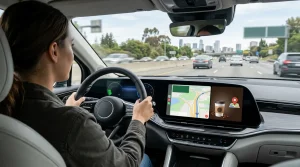
Programmatic audio advertising targets users listening to streaming music services, podcasts, and digital radio stations. For local businesses, audio campaigns can reach commuters during drive time or target users based on their listening preferences and location.
Setting Up Your Local Programmatic Campaign
Successfully launching a local programmatic advertising campaign requires careful planning and strategic thinking. Here’s a step-by-step approach to get started.
Define Your Target Audience
Start by creating detailed profiles of your ideal customers. Consider demographics like age, income, and interests, but also think about behavioral patterns. What time of day are they most likely to need your services? What other businesses do they frequent? Where do they spend time online?
For location targeting, determine the geographic areas where your customers are most likely to come from. This might include neighborhoods surrounding your business, areas along major commuting routes, or locations where your target demographic lives and works.
Choose Your Targeting Parameters
Layer multiple targeting criteria to create precise audience segments. Geographic targeting forms the foundation, but additional parameters help refine your audience further.
Consider factors like device type (mobile users might be more ready to take immediate action), time of day (lunch hours for restaurants, evenings for entertainment venues), and weather conditions (outdoor businesses can target users when conditions are favorable).
Create Compelling Ad Creative
Local programmatic ads should speak directly to your community and highlight what makes your business unique. Include location-specific references, showcase local landmarks, or mention community events to create a stronger connection with your audience.
Ensure your creative assets are optimized for different formats and screen sizes. Mobile users, desktop browsers, and tablet users all have different viewing experiences, so your ads should look great across all devices.
Set Budget and Bidding Strategy
Determine your daily or monthly budget based on your overall marketing goals and expected return on investment. Start with smaller budgets to test different targeting parameters and creative approaches before scaling successful campaigns.
Most platforms offer different bidding strategies, including cost-per-click (CPC), cost-per-impression (CPM), and cost-per-acquisition (CPA). Choose the strategy that aligns with your primary campaign objective.
Best Practices for Success
Implementing these best practices will help ensure your local programmatic campaigns deliver optimal results.
Optimize for Mobile
Mobile devices account for the majority of local searches and provide the most accurate location data. Ensure your ads are mobile-optimized and that your website provides a seamless mobile experience for users who click through.
Consider mobile-specific features like click-to-call buttons, GPS directions, and mobile-friendly contact forms that make it easy for users to connect with your business immediately.
Test Different Creative Approaches
Run multiple ad variations simultaneously to determine which creative approaches resonate best with your local audience. Test different images, headlines, calls-to-action, and value propositions to identify top-performing combinations.
Local businesses often find success with creative that showcases their community involvement, highlights customer testimonials from local residents, or features recognizable local landmarks.
Monitor and Adjust Regularly
Check campaign performance regularly and make adjustments based on data insights. If certain geographic areas or time periods are delivering better results, reallocate the budget toward these high-performing segments.
Pay attention to seasonal trends and local events that might affect campaign performance. A restaurant might increase targeting during local festivals, while a retail store might adjust geographic parameters during holiday shopping seasons.
Integrate with Other Marketing Efforts
Local programmatic advertising works best as part of a comprehensive marketing strategy. Coordinate your programmatic campaigns with social media marketing, email campaigns, and local SEO efforts to create consistent messaging across all touchpoints.
Use programmatic advertising to support grand openings, special promotions, or seasonal campaigns, ensuring all marketing channels work together toward common business objectives.
Measuring Local Programmatic Success
Success metrics for local programmatic campaigns often extend beyond traditional digital marketing KPIs to include offline actions and business outcomes.
Digital Metrics
Track standard digital advertising metrics like impressions, clicks, click-through rates (CTR), and cost-per-click. These metrics provide insights into how well your ads are performing and whether your targeting parameters are effective.
Conversion tracking helps you understand which campaigns and creative approaches drive the most valuable actions, whether that’s phone calls, form submissions, or online purchases.
Foot Traffic Attribution
Many programmatic platforms offer foot traffic measurement, allowing you to track when users who saw your ads actually visit your physical location. This attribution helps you understand the full impact of your advertising efforts beyond digital interactions.
Foot traffic data can reveal important insights about customer behavior, such as how long people typically wait between seeing an ad and visiting your store, or which locations generate the most qualified foot traffic.
Revenue Attribution
Connect your programmatic campaigns to actual sales data to calculate return on ad spend (ROAS). This might involve integrating your point-of-sale system with your advertising platform or using unique promo codes to track offline conversions.
Revenue attribution helps justify advertising spend and provides clear metrics for scaling successful campaigns.
Transform Your Local Advertising Strategy
Local programmatic advertising represents a significant opportunity for businesses ready to embrace data-driven marketing. By combining the efficiency of automated ad buying with precise location targeting, local businesses can compete more effectively and reach customers when they’re most likely to take action.
Success with local programmatic advertising requires patience, testing, and continuous optimization. Start with clear objectives, implement strong tracking and measurement systems, and be prepared to adjust your strategy based on performance data.
As consumer behavior continues to shift toward mobile and local search, businesses that master local programmatic advertising will have a significant competitive advantage in their markets. The technology is accessible, the results are measurable, and the potential for growth is substantial for businesses willing to invest in this powerful advertising approach.
Frequently Asked Questions (FAQ)
1. What is local programmatic advertising?
Local programmatic advertising is an automated digital advertising approach that uses real-time bidding and location-based targeting to reach audiences within specific geographic areas. It helps local businesses show ads to nearby or relevant customers across websites, mobile apps, video, audio, and connected TV platforms.
2. How is local programmatic advertising different from traditional advertising?
Traditional advertising relies on broad audience placement and manual buying, often leading to wasted spend. Local programmatic advertising uses data, automation, and precise location targeting to reach the right users at the right time, improving efficiency, relevance, and measurable ROI.
3. What types of businesses benefit most from local programmatic advertising?
Local programmatic advertising is ideal for restaurants, retail stores, healthcare providers, real estate companies, automotive dealers, gyms, and service-based businesses that rely on foot traffic or location-based demand.
4. How accurate is location targeting in programmatic advertising?
Accuracy depends on the targeting method used. GPS and geofencing offer high precision for mobile users, while IP-based targeting provides broader city or neighborhood-level accuracy. Many campaigns combine multiple methods for best results.
5. Is local programmatic advertising expensive for small businesses?
No. Local programmatic advertising is budget-flexible and allows businesses to set daily or monthly spending limits. Since it operates on CPC or CPM models, advertisers only pay for impressions or engagement, making it accessible for small and medium-sized businesses.
6. Can local programmatic ads drive in-store visits?
Yes. Many platforms offer foot traffic attribution, which tracks whether users who saw your ads later visited your physical location. This makes local programmatic especially effective for driving real-world store visits.
7. What channels support local programmatic advertising?
Local programmatic campaigns can run across display ads, mobile apps, video platforms, connected TV (CTV), digital audio, and sometimes native advertising placements, depending on the platform used.
8. How do you measure success in local programmatic campaigns?
Success is measured using metrics such as impressions, clicks, CTR, conversions, foot traffic, and return on ad spend (ROAS). Advanced attribution models help connect ad exposure to offline visits and revenue.
9. How long does it take to see results from local programmatic advertising?
Some results, like impressions and clicks, appear almost immediately. More meaningful outcomes—such as foot traffic and revenue impact—typically become clear within a few weeks as data accumulates and optimization improves performance.
10. Can local programmatic advertising work with other marketing strategies?
Absolutely. Local programmatic advertising works best when integrated with local SEO, social media marketing, email campaigns, and promotions. Coordinated messaging across channels increases brand recognition and conversion rates.