How Programmatic Advertising Transformed Digital Marketing
The global programmatic advertising market reached $155 billion in 2021 and shows no signs of slowing down. What started as a simple solution to automate ad buying has revolutionized how brands connect with consumers across digital channels.
But programmatic advertising didn’t emerge overnight. Its evolution spans over two decades of technological breakthroughs, market shifts, and changing consumer behaviors. Understanding this history reveals not just how we got here, but where digital marketing is headed next.
The Pre-Programmatic Era: Manual Ad Buying Dominated
Before programmatic advertising existed, digital marketing operated much like traditional media buying. Advertisers negotiated directly with publishers through lengthy phone calls, emails, and in-person meetings. Media buyers would manually select websites, negotiate prices, and coordinate ad placements across multiple platforms.
This manual process created several challenges. Campaign launches took weeks or months to coordinate. Pricing lacked transparency, often varying significantly between similar placements. Advertisers struggled to track performance across different publishers, making optimization nearly impossible.
Publishers faced their own set of problems. They spent considerable resources managing advertiser relationships and coordinating campaign logistics. Unsold inventory often went unused, representing lost revenue opportunities. Small to medium-sized publishers found it particularly difficult to attract premium advertisers without dedicated sales teams.
The Birth of Programmatic: Early 2000s Innovation

The foundations of programmatic advertising emerged in the early 2000s as internet usage exploded and online advertising became more sophisticated. The first ad servers, developed by companies like DoubleClick (founded in 1996), introduced automation to ad delivery and basic targeting capabilities.
Real-Time Media emerged in 2005 as one of the first companies to offer automated ad buying through real-time bidding (RTB). Their platform allowed advertisers to bid on individual ad impressions as they became available, rather than purchasing bulk inventory in advance.
Google’s acquisition of DoubleClick in 2007 for $3.1 billion signaled the tech giant’s commitment to automated advertising solutions. This acquisition brought together Google’s search advertising expertise with DoubleClick’s display advertising technology, creating the foundation for what would become Google Ad Manager.
The introduction of ad exchanges around 2008-2009 marked another crucial milestone. These digital marketplaces allowed publishers to offer unsold inventory to multiple buyers simultaneously, while advertisers could access inventory from numerous sources through a single platform.
The Rise of Real-Time Bidding: 2010-2015

Real-time bidding transformed programmatic advertising from a niche solution into a mainstream digital marketing strategy. RTB enabled advertisers to evaluate and bid on individual ad impressions in milliseconds, using sophisticated algorithms to determine the optimal bid price.
Demand-side platforms (DSPs) emerged to help advertisers manage their programmatic campaigns across multiple ad exchanges. Companies like The Trade Desk, launched in 2009, provided advertisers with unified interfaces to buy inventory, set targeting parameters, and optimize campaign performance.
Supply-side platforms (SSPs) served the publisher side of the equation, helping website owners maximize revenue from their ad inventory. These platforms automatically evaluated incoming bids and selected the highest-paying advertisers for each impression.
Data management platforms (DMPs) became essential components of the programmatic ecosystem during this period. These systems collected and organized audience data from various sources, enabling more precise targeting and campaign optimization.
The growth was remarkable. According to eMarketer, programmatic advertising spending in the United States grew from $1.2 billion in 2012 to $10.1 billion in 2014, representing a compound annual growth rate of over 300%.
Mobile and Video Expansion: 2015-2020
The proliferation of smartphones and tablets created new opportunities for programmatic advertising. Mobile programmatic spending surpassed desktop programmatic spending for the first time in 2016, reflecting changing consumer media consumption habits.
Video programmatic advertising experienced explosive growth during this period. Platforms like YouTube, Facebook, and emerging streaming services offered programmatic video inventory, allowing advertisers to reach audiences across traditional and digital video content.
Connected TV (CTV) and over-the-top (OTT) advertising introduced programmatic capabilities to television advertising. Streaming services like Hulu, Roku, and others began offering programmatic ad inventory, bridging the gap between traditional TV advertising and digital marketing precision.
Header bidding technology, introduced around 2015, gave publishers more control over their programmatic revenue. This approach allowed publishers to offer inventory to multiple ad exchanges simultaneously before calling their ad servers, often resulting in higher yields compared to traditional waterfall setups.
Privacy concerns began shaping programmatic advertising during this period. The European Union’s General Data Protection Regulation (GDPR), implemented in 2018, required explicit consent for data collection and processing, forcing the industry to develop new approaches to audience targeting and data management.
The Modern Era: AI, Privacy, and Cross-Channel Integration
Artificial intelligence and machine learning have become central to programmatic advertising success. Modern platforms use AI to optimize bidding strategies, predict campaign performance, and identify high-value audience segments automatically.
The deprecation of third-party cookies, announced by Google in 2020, has driven innovation in privacy-preserving advertising technologies. Solutions like contextual targeting, first-party data strategies, and privacy-preserving audience targeting have gained prominence.
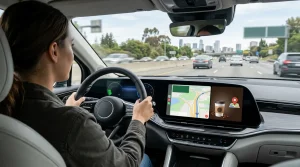
Programmatic advertising has expanded beyond display and video to include audio, digital out-of-home (DOOH), and even traditional media channels. Spotify, Pandora, and other audio platforms offer programmatic audio advertising, while digital billboards and transit advertising screens increasingly support programmatic buying.
Cross-device targeting and attribution have become more sophisticated, allowing advertisers to track customer journeys across smartphones, tablets, desktops, and connected TV devices. This capability enables more comprehensive campaign measurement and optimization.
The Role of First-Party Data in Programmatic Advertising

As privacy regulations tighten and third-party cookies phase out, first-party data has become a critical asset in programmatic advertising. Brands are increasingly relying on data collected directly from their own websites, apps, CRM systems, and customer interactions. This data is more accurate, privacy-compliant, and valuable for building meaningful audience segments. By leveraging first-party data, advertisers can maintain personalization while respecting user privacy. It also strengthens long-term customer relationships and improves targeting accuracy. In the modern programmatic landscape, organizations that invest in strong data collection and management strategies gain a significant competitive advantage.
Programmatic Advertising and Omnichannel Customer Experiences
Programmatic advertising now plays a key role in creating seamless omnichannel customer experiences. Consumers interact with brands across multiple touchpoints, including mobile devices, desktops, connected TVs, audio platforms, and digital out-of-home screens. Programmatic technology allows advertisers to deliver consistent messaging across these channels while adapting creatives to each format. This unified approach improves brand recall and customer engagement. By integrating data across channels, marketers can better understand customer journeys and optimize messaging accordingly. As omnichannel strategies become standard, programmatic advertising acts as the central engine connecting all digital and offline touchpoints.
The Growing Importance of Transparency and Trust in Programmatic
Transparency and trust have become essential pillars of programmatic advertising. Advertisers increasingly demand clear visibility into where their ads appear, how budgets are spent, and which intermediaries are involved. This demand has led to the adoption of industry standards such as ads.txt, sellers.json, and supply chain object frameworks. Greater transparency helps reduce ad fraud, improves brand safety, and builds confidence in programmatic investments. For publishers and platforms, maintaining trust is now a competitive differentiator. As the ecosystem matures, transparency-driven practices will continue shaping long-term relationships between advertisers, publishers, and technology providers.
Impact on Digital Marketing Strategy
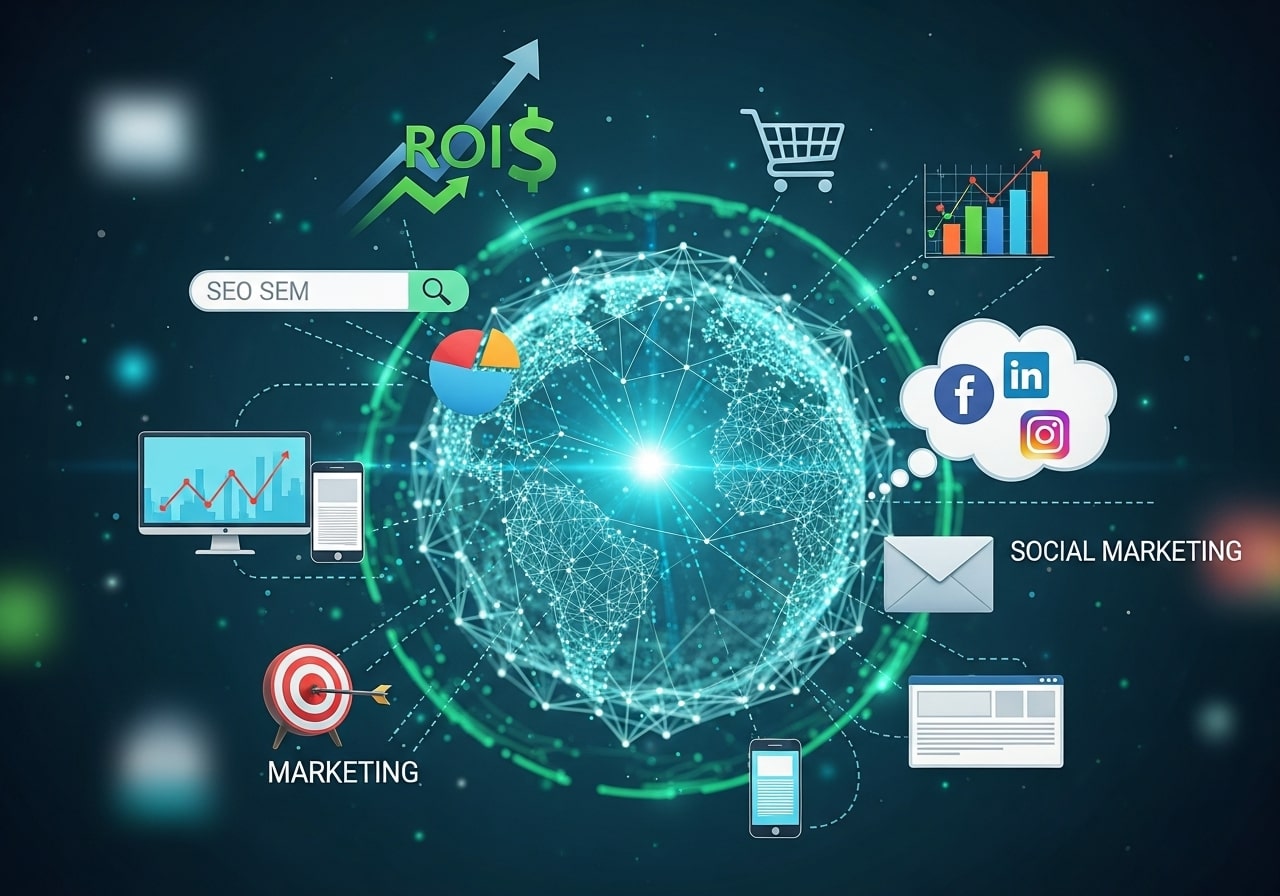
Programmatic advertising has fundamentally changed how digital marketing professionals approach campaign planning and execution. Media planning has shifted from selecting specific websites to defining audience segments and performance objectives.
Campaign optimization happens in real-time rather than at predetermined intervals. Advertisers can adjust targeting parameters, creative elements, and budget allocation continuously based on performance data.
The democratization of advanced advertising capabilities has leveled the playing field between large and small advertisers. Small businesses can now access sophisticated targeting and optimization tools that were previously available only to companies with substantial advertising budgets.
Data-driven decision making has become the norm rather than the exception. Programmatic platforms provide detailed performance metrics and attribution data, enabling marketers to measure campaign effectiveness with unprecedented precision.
Current Challenges and Future Outlook
Privacy regulations continue to shape programmatic advertising evolution. California’s Consumer Privacy Act (CCPA) and similar legislation in other jurisdictions require ongoing adaptation of data collection and targeting practices.
Ad fraud remains a persistent challenge, with sophisticated bad actors developing new methods to generate illegitimate traffic and inflate campaign metrics. Industry initiatives like ads.txt and sellers.json help combat fraud, but vigilance remains essential.
Brand safety concerns have led to increased scrutiny of programmatic advertising placements. Advertisers demand greater transparency and control over where their ads appear, driving the development of more sophisticated content verification and brand safety tools.
The integration of artificial intelligence and machine learning will likely accelerate, enabling even more sophisticated optimization and personalization capabilities. Predictive analytics may allow advertisers to anticipate consumer behavior and adjust campaigns proactively.
The Transformation Continues
Programmatic advertising has evolved from a niche automation tool to the backbone of digital marketing. Its impact extends far beyond ad buying efficiency, influencing how brands understand and engage with their audiences across all digital touchpoints.
The journey from manual ad placement to AI-driven programmatic campaigns reflects broader technological and social changes. As privacy expectations evolve and new channels emerge, programmatic advertising will continue adapting and innovating.
For digital marketing professionals, understanding this history provides valuable context for navigating current challenges and opportunities. The principles that drove early programmatic adoption—efficiency, transparency, and data-driven optimization—remain central to successful digital marketing strategies.
The next chapter of programmatic advertising will likely focus on privacy-first solutions, cross-channel integration, and increasingly sophisticated AI capabilities. Organizations that understand both the historical context and future trajectory will be best positioned to leverage programmatic advertising for sustainable growth.
Frequently Asked Questions (FAQ)
1. What is programmatic advertising?
Programmatic advertising is the automated buying and selling of digital ad inventory using technology platforms and algorithms. Instead of manual negotiations between advertisers and publishers, programmatic systems use real-time data to purchase ad impressions instantly, ensuring ads reach the right audience at the right time.
2. When did programmatic advertising begin?
Programmatic advertising began in the early 2000s with the introduction of ad servers and automated media buying tools. It gained significant momentum between 2008 and 2010 with the rise of ad exchanges and real-time bidding, which allowed advertisers to bid on individual impressions in milliseconds.
3. How did real-time bidding change digital advertising?
Real-time bidding transformed digital advertising by enabling advertisers to evaluate and bid on each ad impression individually. This approach improved efficiency, reduced wasted spend, and allowed for more precise audience targeting based on data such as behavior, location, and device type.
4. What role do DSPs and SSPs play in programmatic advertising?
Demand-side platforms (DSPs) allow advertisers to manage and optimize their programmatic campaigns across multiple ad exchanges, while supply-side platforms (SSPs) help publishers maximize revenue by managing and selling their ad inventory. Together, they form the core infrastructure of the programmatic ecosystem.
5. Why did programmatic advertising grow so rapidly between 2010 and 2015?
Programmatic advertising grew rapidly during this period due to increased internet usage, better data availability, and advancements in bidding technology. Advertisers recognized the value of automation, real-time optimization, and data-driven decision-making, leading to widespread adoption.
6. How did mobile and video impact the evolution of programmatic advertising?
The rise of smartphones and streaming platforms expanded programmatic advertising beyond desktop display ads. Mobile, video, connected TV, and OTT channels allowed advertisers to reach audiences across devices and formats, making programmatic a truly cross-channel solution.
7. How have privacy regulations affected programmatic advertising?
Privacy regulations such as GDPR and CCPA have reshaped programmatic advertising by limiting data collection and requiring user consent. These changes have accelerated the shift toward first-party data, contextual targeting, and privacy-first advertising technologies.
8. What challenges does programmatic advertising face today?
Modern challenges include data privacy compliance, ad fraud, brand safety concerns, and reduced reliance on third-party cookies. Advertisers and platforms must balance personalization with user privacy while maintaining transparency and trust.
9. How is artificial intelligence used in programmatic advertising?
AI and machine learning are used to optimize bidding strategies, predict performance, identify high-value audiences, and personalize ad delivery. These technologies enable continuous, real-time optimization at a scale that would be impossible through manual processes.
10. What is the future of programmatic advertising?
The future of programmatic advertising will focus on privacy-first solutions, deeper cross-channel integration, and more advanced AI-driven optimization. As new digital channels emerge and consumer expectations evolve, programmatic advertising will continue to adapt and remain a core component of digital marketing strategies.