Healthcare Programmatic Advertising: A Complete Guide
Healthcare marketers face unique challenges when reaching their target audiences. Traditional advertising methods often fall short in delivering personalized, compliant, and effective messaging to patients, providers, and other healthcare stakeholders. Programmatic advertising offers a solution that combines precision targeting with automated efficiency, transforming how healthcare organizations connect with their audiences.
What is Programmatic Advertising in Healthcare?
Programmatic advertising refers to the automated buying and selling of digital ad space using software and algorithms. Rather than manually negotiating ad placements, programmatic platforms use real-time bidding (RTB) to purchase ad inventory across websites, mobile apps, and connected TV platforms.
In healthcare, programmatic advertising enables organizations to target specific audiences based on demographics, interests, online behavior, and health-related content consumption. This approach allows pharmaceutical companies, medical device manufacturers, hospitals, and healthcare service providers to reach patients and healthcare professionals more effectively.
The technology analyzes vast amounts of data to determine the best ad placements, optimal bid prices, and most relevant creative content for each individual user. This level of precision helps healthcare marketers maximize their return on investment while maintaining compliance with industry regulations.
Key Components of Healthcare Programmatic Advertising

Demand-Side Platforms (DSPs)
DSPs serve as the control center for healthcare advertisers, allowing them to manage multiple ad campaigns across various channels from a single dashboard. These platforms provide access to numerous ad exchanges and supply-side platforms, giving healthcare marketers extensive reach.
Popular DSPs in healthcare include specialized platforms that understand the unique requirements of medical advertising, such as compliance features and health-specific audience targeting capabilities.
Supply-Side Platforms (SSPs)
SSPs represent the publisher side of the equation, helping healthcare websites, medical publications, and health-focused apps monetize their content. These platforms connect publishers with advertisers through automated auctions.
Healthcare-focused SSPs often implement additional safeguards to ensure that only appropriate, compliant advertisements appear on medical websites and applications.
Data Management Platforms (DMPs)
DMPs collect, organize, and analyze audience data to create detailed user profiles. In healthcare, these platforms must handle sensitive information carefully while providing insights that help advertisers reach relevant audiences.
Healthcare DMPs typically incorporate first-party data from CRM systems, website analytics, and customer databases, combined with third-party data from reputable sources that comply with healthcare privacy regulations.
Benefits of Programmatic Advertising for Healthcare

Enhanced Targeting Precision
Programmatic advertising allows healthcare marketers to target audiences with remarkable precision. Instead of broad demographic targeting, advertisers can focus on specific health interests, medical conditions, or professional roles within the healthcare industry.
For example, a pharmaceutical company launching a new diabetes medication can target individuals who have shown interest in diabetes-related content, visited endocrinology websites, or engaged with diabetes management apps.
Cost Efficiency and Budget Optimization
Automated bidding systems help healthcare advertisers achieve better cost efficiency by adjusting bids in real-time based on audience value and competition. This dynamic approach ensures that marketing budgets are allocated to the most valuable ad placements.
Healthcare organizations can set specific parameters for their campaigns, such as maximum cost-per-click or cost-per-acquisition targets, allowing the programmatic system to optimize spending automatically.
Real-Time Campaign Optimization
Traditional advertising campaigns often require manual adjustments and lengthy approval processes. Programmatic advertising enables real-time optimization, allowing healthcare marketers to adjust targeting, creative elements, and budget allocation based on immediate performance data.
This agility is particularly valuable in healthcare, where market conditions, regulatory requirements, and patient needs can change rapidly.
Improved Compliance and Brand Safety
Reputable programmatic platforms designed for healthcare include built-in compliance features that help ensure advertisements meet industry regulations. These systems can automatically exclude inappropriate content categories and verify that ads appear only on reputable, medically-focused websites.
Brand safety tools prevent healthcare advertisements from appearing alongside controversial or irrelevant content that could damage the advertiser’s reputation or regulatory standing.
Personalization in Healthcare Programmatic Advertising
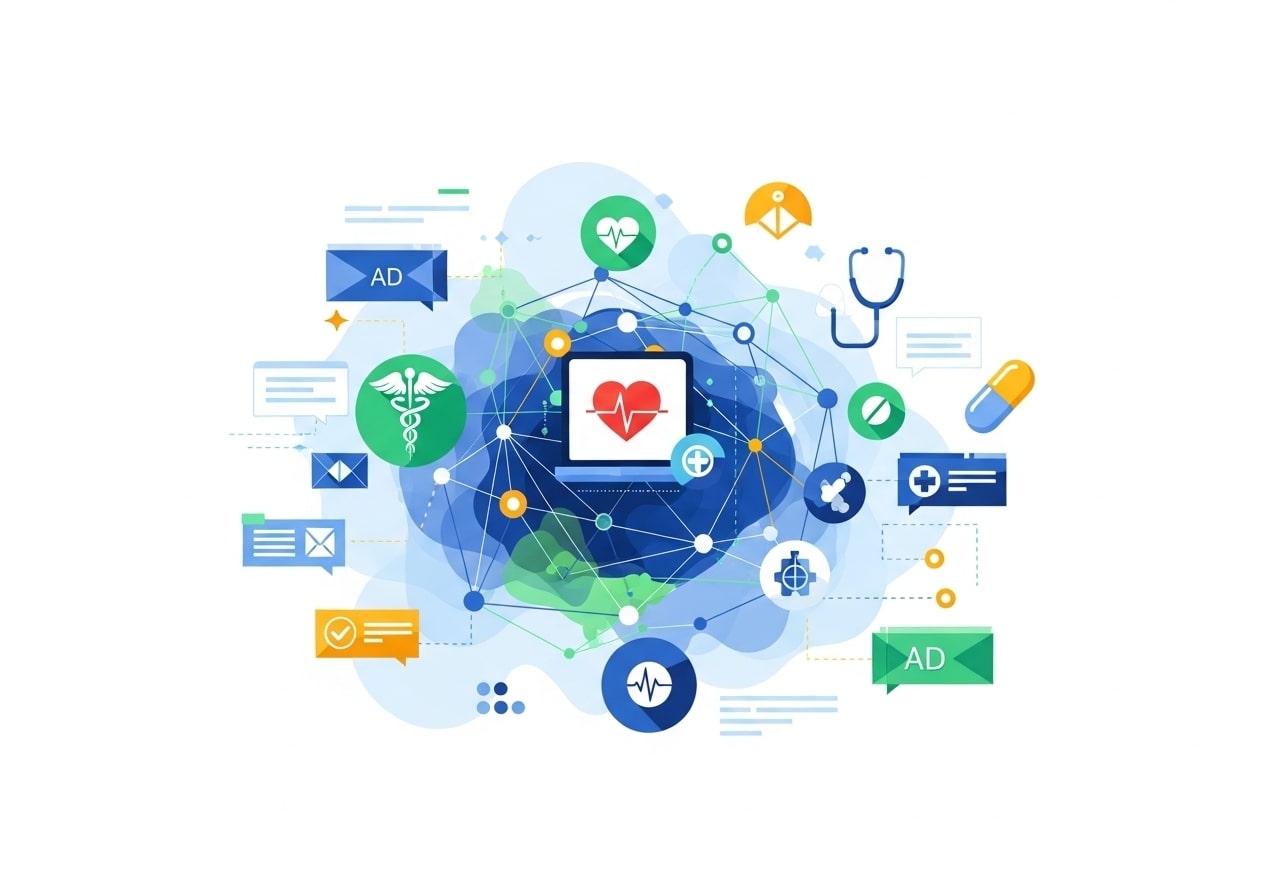
Personalization is a cornerstone of effective healthcare programmatic campaigns. By leveraging detailed audience data, marketers can deliver tailored messages to patients, providers, or caregivers based on demographics, medical conditions, and online behavior. Personalized ads can include relevant content, treatment options, or educational materials that resonate with individual users. This approach increases engagement, drives meaningful interactions, and improves conversion rates. Programmatic platforms automate the delivery of personalized content at scale, ensuring that each user sees ads that align with their specific healthcare needs while maintaining compliance with industry regulations.
Integrating Multi-Channel Campaigns
Healthcare audiences interact with content across multiple platforms, including websites, mobile apps, connected TV, and social media. Multi-channel programmatic campaigns ensure consistent messaging across these touchpoints, enhancing brand recognition and reinforcing patient engagement. Integration allows marketers to track user behavior across channels, measure campaign effectiveness, and optimize ad delivery in real-time. For example, a patient who clicks a mobile ad can later receive follow-up content on a healthcare website or streaming platform. Multi-channel strategies improve reach, maintain messaging consistency, and provide a holistic view of the patient journey for more informed marketing decisions.
Leveraging Predictive Analytics
Predictive analytics uses machine learning and historical data to forecast audience behavior, helping healthcare marketers anticipate patient needs and optimize campaigns. By analyzing patterns in searches, content engagement, and past interactions, programmatic platforms can identify high-value prospects or at-risk audiences. This allows marketers to deliver proactive, targeted ads that address user intent before competitors do. Predictive analytics can also inform budget allocation, bid strategies, and creative decisions, ensuring campaigns are both cost-effective and relevant. In healthcare, this capability helps organizations engage audiences at the right moment with timely, personalized messaging, improving overall campaign ROI.
Measuring Success and ROI

Measuring the effectiveness of healthcare programmatic advertising is critical to optimizing campaigns and demonstrating ROI. Key metrics include cost-per-click (CPC), cost-per-acquisition (CPA), engagement rates, conversion rates, and audience reach. Advanced platforms also track downstream effects such as appointment bookings, prescription inquiries, or content downloads. Continuous performance monitoring allows marketers to adjust targeting, creative content, and bidding strategies in real-time, ensuring optimal resource allocation. By linking programmatic campaign results to actual healthcare outcomes, organizations can quantify the impact of their advertising efforts, justify budgets, and refine strategies for long-term success and sustainable growth in a highly regulated industry.
Challenges in Healthcare Programmatic Advertising
Regulatory Compliance
Healthcare advertising must comply with strict regulations, including FDA guidelines for pharmaceutical advertising, HIPAA requirements for patient privacy, and various state and federal laws governing medical claims.
Programmatic platforms must incorporate these compliance requirements into their automated systems, which can be complex and requires ongoing updates as regulations evolve.
Data Privacy Concerns
Healthcare-related data is highly sensitive, requiring extra precautions to protect patient privacy. Programmatic advertising platforms must implement robust data protection measures and ensure that all data usage complies with healthcare privacy regulations.
The challenge lies in balancing effective targeting with privacy protection, often requiring innovative approaches to audience segmentation that don’t compromise individual privacy.
Quality Control and Ad Fraud
The automated nature of programmatic advertising can sometimes lead to ad placements on low-quality websites or exposure to ad fraud. Healthcare organizations must implement strict quality controls to ensure their advertisements appear only on reputable, relevant websites.
This requires ongoing monitoring and the use of verification tools to maintain brand integrity and campaign effectiveness.
Best Practices for Healthcare Programmatic Advertising
Develop Clear Audience Personas
Successful healthcare programmatic campaigns begin with well-defined audience personas. Healthcare marketers should create detailed profiles of their target audiences, including demographics, health interests, online behaviors, and preferred content types.
These personas should be regularly updated based on campaign performance data and changing market conditions.
Implement Robust Compliance Frameworks
Healthcare organizations should establish comprehensive compliance frameworks that govern all programmatic advertising activities. This includes regular audits of ad placements, content reviews, and ongoing monitoring of regulatory changes.
Working with specialized healthcare advertising agencies or platforms that understand industry regulations can help ensure compliance while maximizing campaign effectiveness.
Focus on Quality Over Quantity
Rather than pursuing the broadest possible reach, healthcare programmatic campaigns should prioritize high-quality placements on reputable websites and platforms. This approach helps maintain brand integrity and ensures that advertisements reach genuinely interested audiences.
Quality-focused strategies often deliver better long-term results than volume-based approaches, particularly in the trust-sensitive healthcare sector.
Leverage First-Party Data
Healthcare organizations should prioritize the use of first-party data from their own customer relationships, website interactions, and patient databases. This data is typically more accurate and compliant than third-party alternatives.
Combining first-party data with carefully selected third-party sources can create comprehensive audience profiles while maintaining privacy and compliance standards.
The Future of Healthcare Programmatic Advertising
The healthcare programmatic advertising landscape continues to evolve with advances in artificial intelligence, machine learning, and data analytics. These technologies are enabling more sophisticated audience targeting, predictive analytics, and personalized messaging capabilities.
Emerging trends include the integration of connected TV and streaming platform advertising, voice-activated device targeting, and enhanced measurement capabilities that track patient journey touchpoints across multiple channels.
As privacy regulations become more stringent and third-party cookies phase out, healthcare programmatic advertising will likely shift toward first-party data strategies and privacy-compliant targeting methods.
Getting Started with Healthcare Programmatic Advertising
Healthcare organizations considering programmatic advertising should begin by clearly defining their objectives, target audiences, and compliance requirements. Partnering with experienced healthcare advertising specialists can help navigate the complexities of the programmatic ecosystem while ensuring regulatory compliance.
Starting with small-scale pilot campaigns allows organizations to learn the nuances of programmatic advertising while minimizing risk. As teams gain experience and confidence, they can gradually expand their programmatic efforts to achieve greater scale and impact.
Success in healthcare programmatic advertising requires ongoing education, careful monitoring, and continuous optimization based on performance data and changing industry conditions.
Read More About This Topic: 5 Programmatic Advertising Case Studies That Drove Real Results
Frequently Asked Questions (FAQ) – Healthcare Programmatic Advertising
1. What is healthcare programmatic advertising?
Healthcare programmatic advertising is the automated buying and selling of digital ad space for healthcare organizations. It uses software and algorithms to target specific audiences, such as patients, providers, or caregivers, based on demographics, behavior, and health-related interests. This method allows precise ad placement, real-time optimization, and better ROI while ensuring compliance with healthcare regulations.
2. How does programmatic advertising benefit healthcare marketers?
It offers enhanced targeting precision, cost efficiency, real-time optimization, and improved compliance. Healthcare marketers can reach the right audience with relevant content, adjust campaigns instantly based on performance, and maintain brand safety while adhering to regulatory guidelines.
3. Which platforms are used for healthcare programmatic advertising?
Key platforms include Demand-Side Platforms (DSPs) for campaign management, Supply-Side Platforms (SSPs) for publishers, and Data Management Platforms (DMPs) for audience insights. Specialized healthcare DSPs and SSPs provide compliance features and medical audience targeting capabilities.
4. How does programmatic advertising ensure compliance in healthcare?
Reputable programmatic platforms integrate healthcare-specific compliance rules, including FDA advertising guidelines, HIPAA regulations, and other state or federal requirements. They prevent ads from appearing on inappropriate or non-compliant sites, ensuring brand safety and regulatory adherence.
5. What types of healthcare organizations can use programmatic advertising?
Pharmaceutical companies, hospitals, clinics, medical device manufacturers, healthcare service providers, and health-tech companies can all leverage programmatic advertising to reach patients, doctors, and caregivers effectively.
6. How can healthcare organizations protect patient data when using programmatic advertising?
Marketers should prioritize first-party data and work with compliant third-party sources. Platforms must implement robust encryption, anonymization, and privacy safeguards to ensure all targeting respects HIPAA and other privacy regulations.
7. What are common challenges in healthcare programmatic advertising?
Challenges include regulatory compliance, data privacy, quality control, and ad fraud. Campaigns require careful monitoring, verification tools, and partnerships with specialized platforms to maintain credibility and effectiveness.
8. How can programmatic advertising improve ROI for healthcare campaigns?
By targeting the right audience, optimizing bids in real-time, personalizing ad creative, and reducing waste on irrelevant placements, healthcare organizations can achieve higher engagement, better conversion rates, and more efficient budget allocation.
9. What trends are shaping the future of healthcare programmatic advertising?
AI and machine learning enable predictive targeting and personalized messaging. Connected TV, streaming platforms, voice-activated devices, and privacy-compliant first-party data strategies are also emerging trends enhancing reach and effectiveness.
10. How should a healthcare organization get started with programmatic advertising?
Begin by defining campaign objectives, audience personas, and compliance requirements. Start small with pilot campaigns, monitor performance closely, and optimize continuously. Partnering with experienced healthcare programmatic specialists ensures effective and compliant execution.