Understanding Demand Side Platform Programmatic Advertising

Programmatic advertising has become the cornerstone of digital marketing, revolutionizing the way brands interact with consumers. The DSP (demand side platform) is a core brick-and-mortar of that eco-system, allowing advertisers to buy digital advertising inventory at scale across a large number of publishers. If you’ve ever heard the term DSP thrown around but don’t really know what it means or why it’s important, you’re in the right place. This guide will give you an in-depth understanding of DSP programmatic advertising – what it is, why you should use it, and how to get started.
What is a Demand Side Platform?
A Demand Side Platform (DSP) is a type of software that enables advertisers to purchase digital ad inventory on various platforms, including mobile, web, and even connected TV. DSPs are so important to programmatic advertising because they act as the link between advertisers and publishers, allowing the ad buying process to be streamlined, more efficient, and data-led.
Rather than haggling directly with publishers in placing their ads, advertisers can use DSPs to automatically adjust the targeting parameters (eg, user demographics, interests, and geographic location) bidding to buy ad inventory in real time. The vast majority of DSPs leverage predictive algorithms and machine learning in order to make the best choices on behalf of the advertiser.
Key Features of a DSP
- Real-Time Bidding (RTB): DSPs participate in online auctions to bid on ad placements. This happens in mere milliseconds.
- Omnichannel Capabilities: DSPs allow advertisers to manage campaigns across multiple channels, such as mobile, desktop, connected TV (CTV), and social media.
- Audience Targeting: Advertisers can use DSPs to refine targeting based on behavioral data, demographics, interests, and more.
- Performance Monitoring: DSPs provide robust analytics and reporting tools to track campaign performance and optimize return on investment (ROI).
- Campaign Scaling: DSPs simplify the process of managing large-scale campaigns by automating bidding, targeting, and ad placements.
How DSP Programmatic Advertising Works
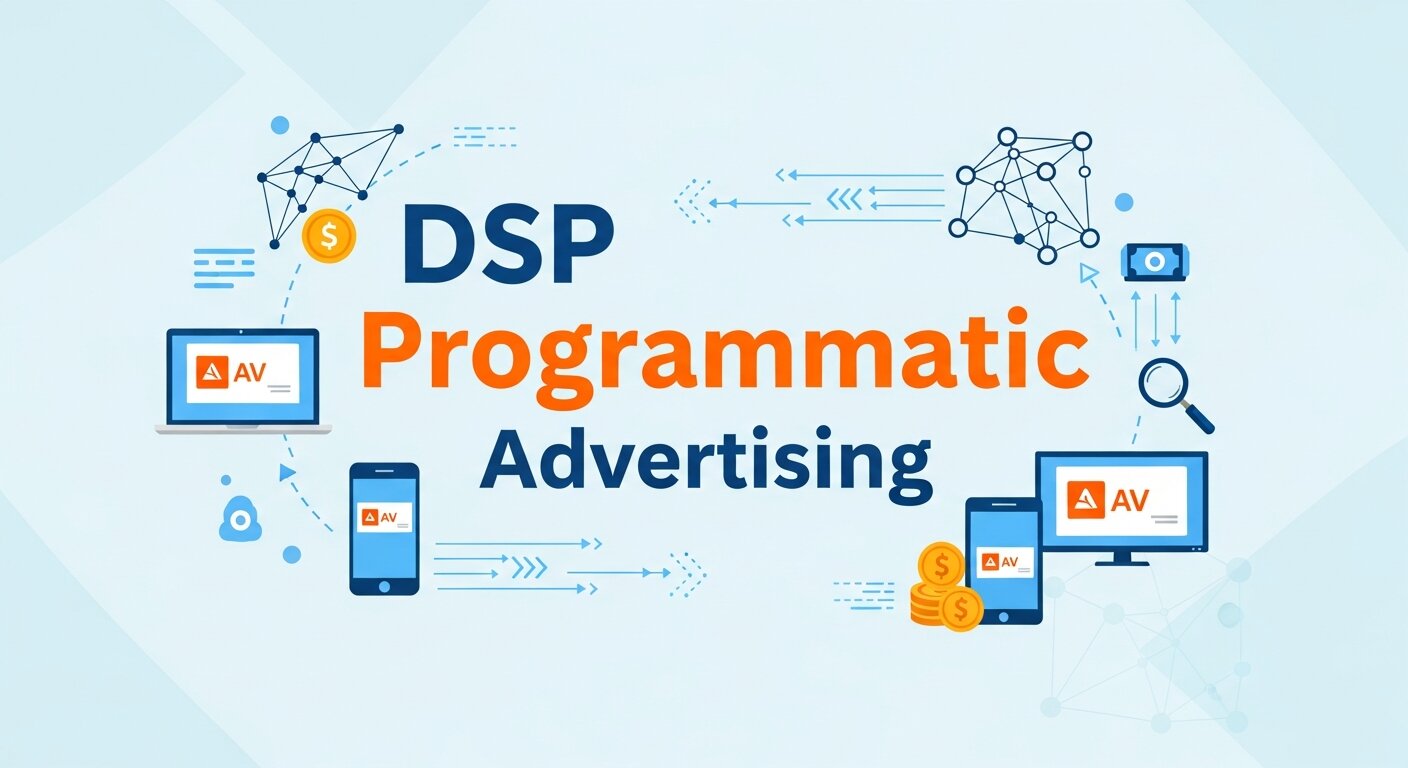
Now that we know what DSPs are, let’s break down the process of programmatic advertising through a DSP into simple steps.
Step 1: Advertiser Sets Campaign Goals
Before launching a campaign on a DSP, an advertiser determines their objectives, such as increasing brand awareness, driving website traffic, or boosting conversions. They also set parameters, including targeting criteria, budget, and desired platforms.
Step 2: Real-Time Bidding (RTB)
Once the campaign is live, the DSP connects to multiple ad exchanges (marketplaces where publishers sell ad inventory). These exchanges host real-time auctions where advertisers bid in milliseconds for the opportunity to display their ads.
Step 3: Ad Placement and Display
If the DSP wins the auction, the ad is instantly displayed to the selected audience members. This entire cycle happens in real time and continues automatically as the campaign runs.
Step 4: Performance Tracking and Optimization
During the campaign, the DSP collects performance data, such as click-through rates (CTR), conversions, impressions, and more. Advertisers can tweak their targeting or increase bids for better performance based on insights provided by the platform.
Benefits of Using a DSP for Programmatic Advertising
Investing in programmatic advertising through a DSP unlocks various benefits for brands and businesses looking to optimize their digital marketing efforts.
Cost Efficiency
DSPs streamline the ad-buying process and rely on automation, which reduces operational costs and eliminates the inefficiencies of manual negotiations. Real-time bidding ensures advertisers only pay the market value for ad placements, maximizing cost efficiency.
Advanced Targeting
Whether you’re targeting users by their recent browsing behavior, location, or interests, DSPs offer granular targeting options to reach your ideal audience. This minimizes wasted ad spend and ensures your promotions connect with the people most likely to convert.
Multichannel Reach
DSPs centralize the ability to manage campaigns across multiple platforms and formats. With one tool, businesses can run ads on websites, mobile apps, video platforms, and more, ensuring consistent messaging across all touchpoints.
Real-Time Optimization
Programmatic advertising, powered by DSP, uses algorithms to optimize bids and targeting dynamically. This ensures real-time adjustments to improve campaign effectiveness and achieve better ROI.
Transparency and Insights
Most modern DSPs provide detailed reporting and analytics, allowing advertisers to gain full transparency into impressions, clicks, conversions, and other campaign metrics. This data is vital for improving future campaigns.
Examples of Top Demand Side Platforms

There’s no shortage of DSPs available in the market. Here are some of the industry leaders worth exploring based on your business needs.
- Google Display & Video 360: A popular and highly-integrated DSP that works seamlessly with Google’s ad ecosystem.
- The Trade Desk is renowned for its advanced targeting options and robust analytics tools.
- MediaMath: Known for its adaptability and omnichannel capabilities.
- Adobe Advertising Cloud: Offers strong integration with Adobe’s suite of marketing tools for seamless campaign management.
- Amazon DSP: Ideal for e-commerce brands looking to advertise on Amazon and beyond.
Challenges of DSP Programmatic Advertising
Like any technology, DSPs aren’t without their challenges. Here are some common hurdles advertisers may face and strategies to address them.
Ad Fraud
Ad fraud is one of the biggest risks in programmatic advertising. This involves fake clicks, impressions, or bot traffic. To mitigate this, work with DSPs that offer ad fraud prevention tools and partner with reputable ad exchanges.
Steep Learning Curve
Though powerful, DSPs can be complex, especially for beginners. Investing time in exploring the platform’s features or hiring experienced professionals can alleviate this challenge.
Data Privacy Concerns
With stricter data privacy regulations ( GDPR or CCPA), advertisers must ensure their targeting practices comply with the law. Partnering with DSPs that prioritize compliance and transparency is crucial.
The Evolution of Automated Media Buying
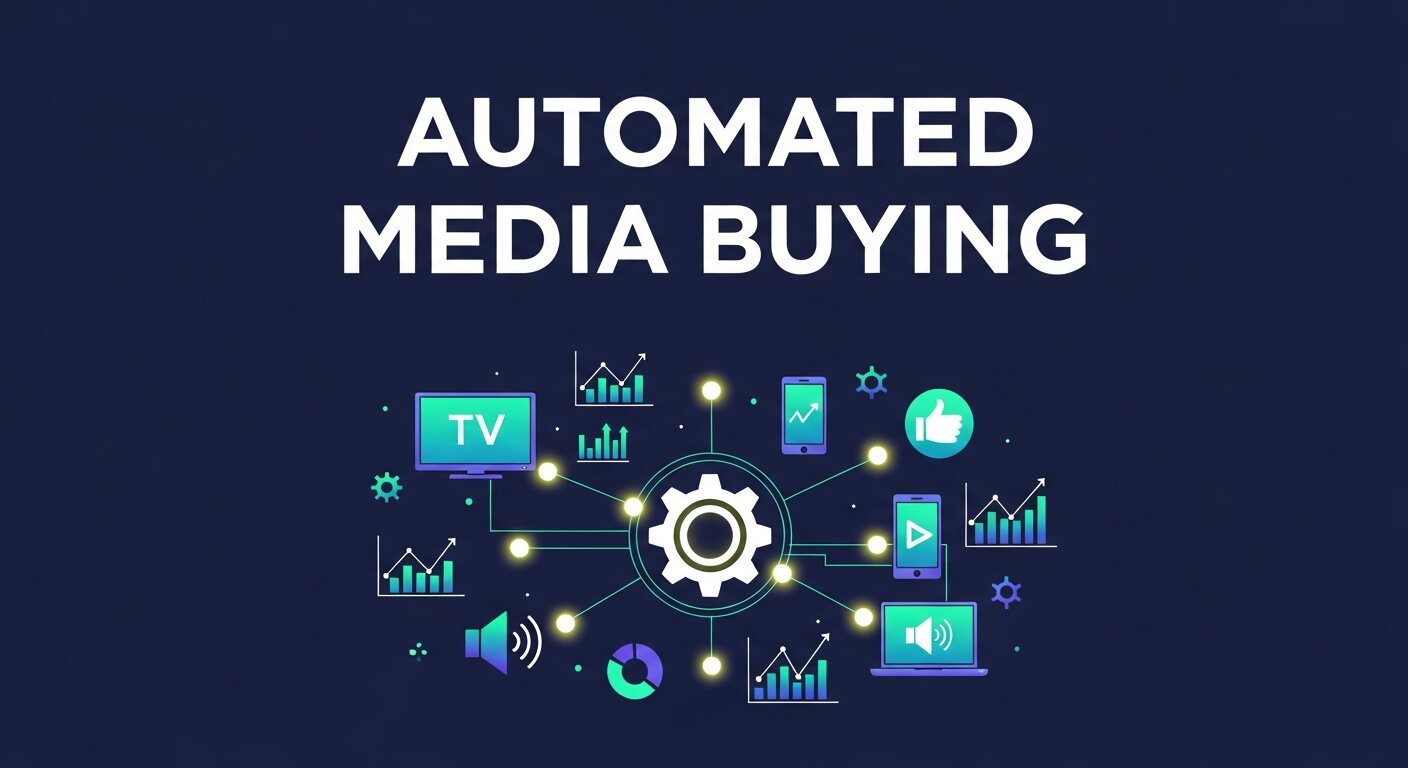
Digital advertising has evolved rapidly from manual placements to fully automated buying systems. This shift has allowed brands to react faster, scale campaigns efficiently, and reach audiences with greater precision. Programmatic Ads have become the foundation of this evolution, enabling advertisers to purchase inventory across multiple platforms in real time. Automation removes human error from bidding decisions and ensures budgets are spent more effectively. As algorithms continue to improve, advertisers gain access to better targeting, improved timing, and smarter allocation of ad spend. This evolution has made digital advertising more competitive, data-driven, and measurable, allowing businesses of all sizes to compete in crowded online marketplaces.
The Role of Data in DSP Decision-Making
Data fuels every decision within a DSP environment. From audience segmentation to bid optimization, DSPs rely on vast amounts of data to determine which impressions are worth pursuing. Behavioral signals, location data, device usage, and engagement patterns all contribute to smarter campaign execution. As data quality improves, DSPs can refine targeting and reduce wasted impressions. However, advertisers must balance data usage with responsibility, especially as Programmatic Advertising Privacy becomes a growing concern. Ensuring transparency and ethical data handling not only protects users but also builds trust with audiences. Responsible data-driven decision-making strengthens campaign performance while maintaining compliance with evolving regulations.
DSPs and Cross-Device Targeting
Modern consumers interact with brands across multiple devices throughout the day. DSPs help advertisers maintain consistent messaging across smartphones, desktops, tablets, and connected TVs. Cross-device targeting allows campaigns to follow user behavior patterns rather than relying on a single platform. This creates a seamless experience for audiences and improves attribution accuracy. By understanding how users move between devices, advertisers can optimize frequency, timing, and creative delivery. This approach reduces ad fatigue and increases engagement. DSPs that effectively manage cross-device strategies help brands stay visible throughout the buyer journey while maximizing reach and efficiency across all digital touchpoints.
Creative Optimization Within DSP Campaigns
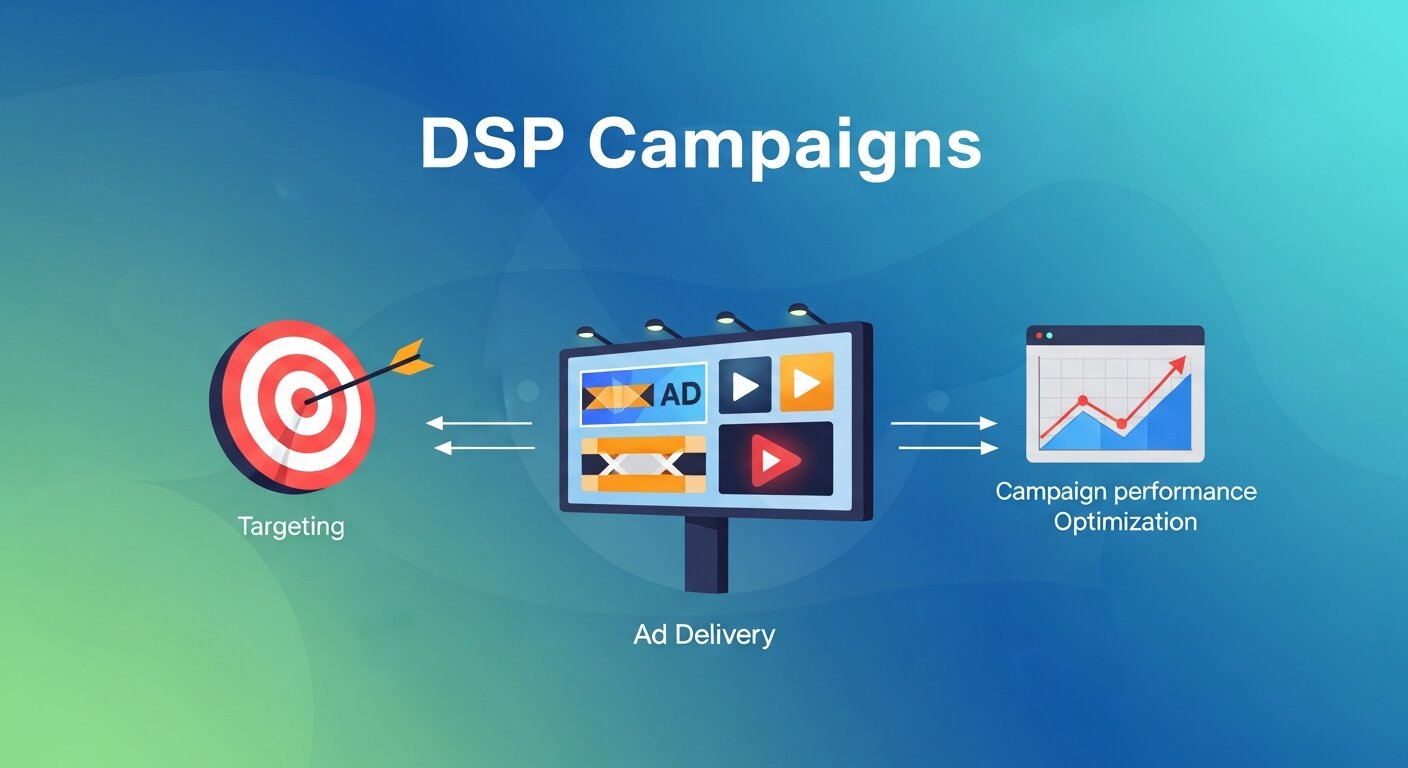
Creative quality plays a critical role in programmatic campaign success. DSPs now support dynamic creative optimization, allowing ads to adjust messaging, visuals, and formats based on user behavior and context. This ensures that the right creative is shown to the right audience at the right time. Testing multiple variations helps advertisers identify what resonates most with different segments. Over time, performance data guides creative improvements, increasing engagement and conversions. By pairing automation with creativity, DSPs transform static ads into adaptive experiences. This blend of technology and storytelling strengthens brand impact and improves overall campaign effectiveness.
Budget Control and Bid Strategy Management
One of the strongest advantages of DSPs is precise budget control. Advertisers can set daily limits, bid caps, and performance thresholds to prevent overspending. Automated bidding strategies adjust in real time based on competition, audience value, and campaign goals. This flexibility allows marketers to maximize ROI while staying within budget. DSPs also provide transparency into where money is spent, helping advertisers identify high-performing placements and eliminate inefficiencies. Strategic bid management ensures that budgets are allocated to impressions with the highest potential impact. When budgets are guided by performance data, campaigns become more predictable and sustainable.
Preparing for a Cookieless Advertising Environment
The digital advertising landscape is shifting as third-party cookies phase out. Cookieless Programmatic Advertising is emerging as a solution that relies on contextual targeting, first-party data, and privacy-friendly identifiers. DSPs are adapting by offering alternatives that respect user privacy while maintaining targeting accuracy. Advertisers must begin preparing by strengthening their first-party data strategies and focusing on contextual relevance. This transition encourages more meaningful advertising experiences that align with user intent rather than invasive tracking. DSPs that successfully navigate this shift will remain essential tools for advertisers seeking performance without compromising trust.
Measuring Long-Term Success Beyond Clicks
While clicks and impressions provide immediate insights, long-term DSP success requires deeper analysis. Advertisers should evaluate metrics such as brand lift, customer lifetime value, and post-conversion engagement. DSP analytics help connect exposure to downstream business outcomes, offering a clearer picture of campaign effectiveness. Attribution models also play a key role in understanding how programmatic ads influence the buyer journey. By looking beyond surface-level metrics, marketers can make smarter optimization decisions and justify long-term investment. Measuring success holistically ensures programmatic strategies contribute to sustainable growth rather than short-term wins.
Is Programmatic Advertising Right for Your Business?
No matter the size of your business, your approach with programmatic advertising and a DSP will change the game. But whether it’ll work for you depends on what you want, what you have, and who you’re trying to reach. For example, if you have a small local business, buying ads directly on social platforms may be enough. But if you want to scale your campaigns to different platforms with more advanced targeting capabilities, then a DSP is what you need.
If you’re looking to test the waters with programmatic advertising and are looking to leave the complexity of starting out aside, a good DSP can make the difference.
Key Takeaways for Success
- Start by clearly defining your campaign objectives and targeting criteria.
- Choose a DSP that aligns with your budget and offers the features you need.
- Regularly monitor and optimize your campaigns for the best results.
- Stay informed about industry trends, emerging technologies, and regulations.
Frequently Asked Questions (FAQs)
What is a Demand Side Platform (DSP)?
A Demand Side Platform (DSP) is software that allows advertisers to buy digital ad inventory automatically across multiple publishers and channels using real-time bidding.
How does DSP programmatic advertising work?
DSP programmatic advertising works by placing bids in real-time auctions for ad impressions. When a bid wins, the ad is instantly shown to the targeted audience based on predefined criteria.
What types of ads can be bought through a DSP?
DSPs support multiple ad formats, including display ads, video ads, native ads, mobile ads, and connected TV (CTV) advertising.
What is real-time bidding (RTB)?
Real-time bidding (RTB) is an automated auction process where advertisers bid on ad impressions in milliseconds as a user loads a webpage or app.
What are the benefits of using a DSP?
Key benefits include cost efficiency, advanced audience targeting, multichannel reach, real-time optimization, and detailed performance analytics.
Is DSP advertising suitable for small businesses?
DSP advertising can work for small businesses, but it is most effective for brands looking to scale campaigns across multiple platforms with advanced targeting and automation.
How much does DSP programmatic advertising cost?
Costs vary depending on targeting, competition, and ad format. Most DSPs operate on a bidding model, allowing advertisers to control spend through budgets and bid limits.
What is the difference between a DSP and an SSP?
A DSP is used by advertisers to buy ad inventory, while an SSP (Supply Side Platform) is used by publishers to sell ad space to advertisers.
How do DSPs handle data privacy and compliance?
Modern DSPs follow data protection regulations such as GDPR and CCPA by offering consent management tools, anonymized data usage, and transparent reporting.
How long does it take to see results from DSP campaigns?
Initial performance data can be seen within days, but meaningful optimization and ROI improvements usually occur over several weeks of continuous monitoring and adjustment.