Programmatic Advertising: The Complete Guide to Automated Ad Buying

Programmatic advertising automates the buying and selling of digital ads using algorithms and data. It enables precise targeting, real-time optimization, and cross-channel reach, improving efficiency and ROI while requiring careful strategy, creative execution, and performance monitoring.
The advertising landscape has transformed dramatically over the past decade. Gone are the days when media buyers spent hours negotiating ad placements over lunch meetings and phone calls. Today, sophisticated algorithms handle billions of ad transactions in milliseconds, matching advertisers with their ideal audiences across countless digital touchpoints.
Programmatic advertising has revolutionized how brands connect with consumers online. This automated approach to buying and selling digital ad space uses data and machine learning to serve the right ad to the right person at the right moment. For businesses looking to maximize their advertising ROI while minimizing manual effort, understanding programmatic advertising isn’t just helpful—it’s essential.
Whether you’re a marketing professional exploring new channels or a business owner seeking more efficient ways to reach customers, this guide will walk you through everything you need to know about programmatic advertising, from basic concepts to advanced strategies.
What is Programmatic Advertising?

Programmatic advertising refers to the automated buying and selling of digital advertising space using software and algorithms. Instead of traditional methods that involve direct negotiations between advertisers and publishers, programmatic advertising uses real-time bidding (RTB) systems to purchase ad inventory instantaneously.
The process works like this: when someone visits a website, information about that user (demographics, browsing behavior, interests) is sent to an ad exchange. Advertisers then bid on the opportunity to show their ad to that specific user, with the highest bidder winning the placement. This entire process happens in the time it takes for a webpage to load—typically under 100 milliseconds.
This automation extends beyond just the buying process. Programmatic platforms use machine learning to optimize campaigns continuously, adjusting bids, targeting parameters, and creative elements based on performance data. The result is advertising that becomes more effective over time without constant manual intervention.
How Programmatic Advertising Works
The programmatic advertising ecosystem involves several key players working together to facilitate automated ad transactions.
Supply-Side Platforms (SSPs)
Publishers use SSPs to make their ad inventory available for purchase. These platforms connect publishers’ websites and apps to multiple ad exchanges, helping maximize revenue by ensuring competitive bidding for their ad space. SSPs also provide publishers with tools to control which advertisers can bid on their inventory and set minimum pricing floors.
Demand-Side Platforms (DSPs)
Advertisers and agencies use DSPs to purchase ad inventory programmatically. These platforms allow buyers to manage multiple ad exchanges and data sources from a single interface. DSPs provide targeting capabilities, bid management tools, and performance analytics to help advertisers optimize their campaigns.
Ad Exchanges
Ad exchanges serve as digital marketplaces where SSPs and DSPs meet to facilitate real-time auctions. They handle the technical infrastructure for RTB, processing millions of bid requests per second and determining auction winners based on predefined rules and bid amounts.
Data Management Platforms (DMPs)
DMPs collect, organize, and analyze audience data from various sources. This information helps advertisers create detailed user profiles for more precise targeting. DMPs can integrate first-party data (from the advertiser’s own properties) with second and third-party data to build comprehensive audience segments.
Creative Strategies for Programmatic Ads
The effectiveness of programmatic advertising relies not only on precise targeting and automation but also on compelling creative. Ads that resonate with your audience drive higher engagement and conversions. Dynamic Creative Optimization (DCO) allows advertisers to automatically tailor ad visuals and messaging based on user data, location, or behavior. Personalizing messages using audience insights ensures that offers, product recommendations, or promotions are relevant and engaging. Interactive ads, such as polls, quizzes, or expandable content, capture attention and encourage user interaction. Maintaining consistent branding across all ad formats reinforces recognition and builds trust. By combining precise targeting with impactful creative, programmatic campaigns can achieve significantly higher ROI.
Cross-Channel Programmatic Strategies
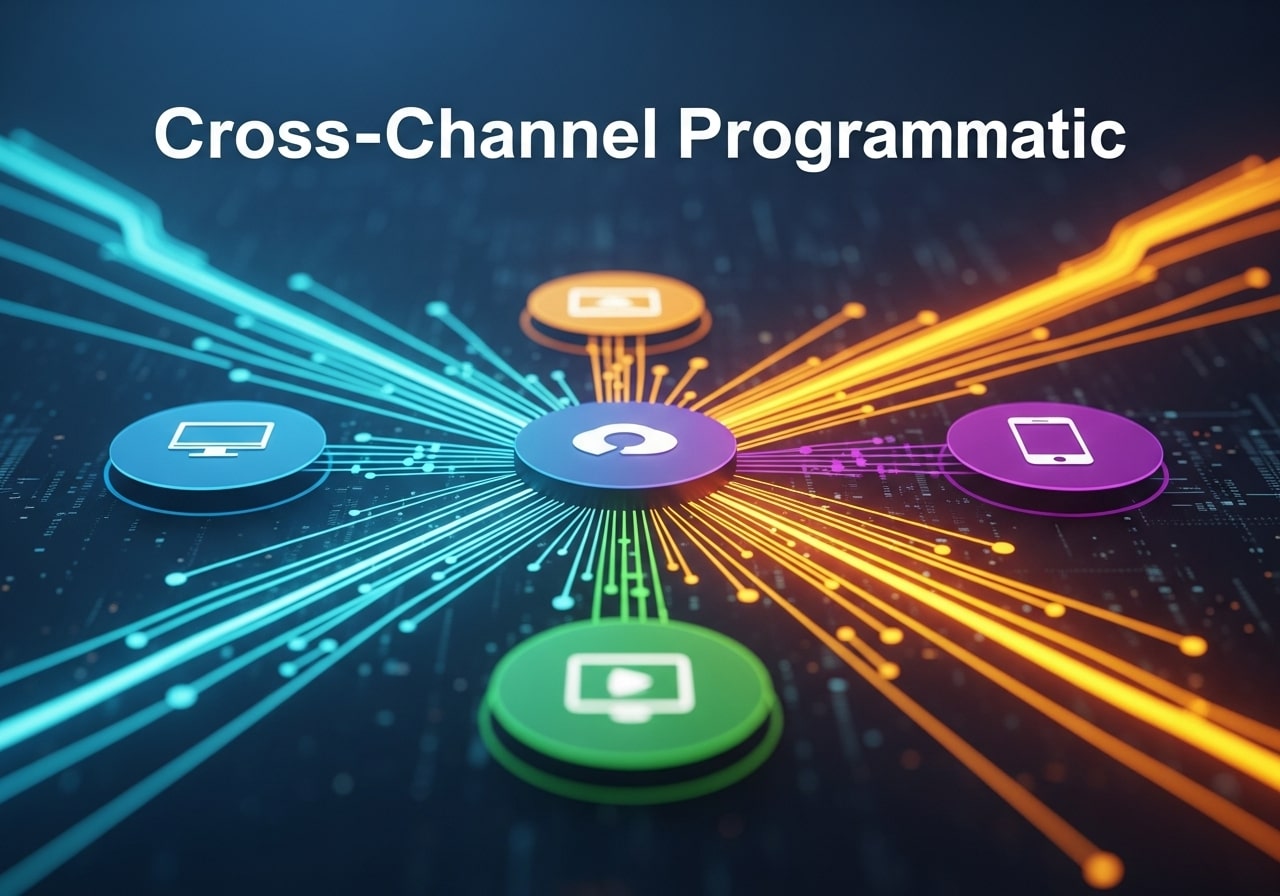
Programmatic advertising extends far beyond traditional display banners, and expanding across multiple channels can greatly increase reach and reinforce brand messaging. Mobile programmatic allows advertisers to reach users on smartphones and tablets through apps, mobile websites, and in-app ads, ensuring that campaigns are present wherever users spend their time. Video programmatic enables brands to serve pre-roll, mid-roll, or outstream video ads across social media platforms, streaming sites, and publisher networks, creating engaging visual experiences. Connected TV (CTV) advertising combines the broad reach of television with digital precision, targeting viewers on smart TVs with personalized video content. Audio programmatic advertising delivers targeted messages on streaming music platforms and podcasts, reaching audiences in highly relevant listening contexts. Integrating campaigns across these channels ensures consistent messaging while maximizing audience touchpoints and overall campaign effectiveness.
Types of Programmatic Advertising
Real-Time Bidding (RTB)
RTB represents the most common form of programmatic advertising. In this open auction environment, any eligible advertiser can bid on available inventory. While RTB typically offers the lowest cost per impression, it provides less control over ad placement and brand safety.
Private Marketplaces (PMPs)
PMPs operate as invitation-only auctions where publishers offer premium inventory to selected advertisers. This approach provides better inventory quality and brand safety while maintaining programmatic efficiency. Advertisers often pay higher rates but gain access to premium placements and reduced competition.
Preferred Deals
Also known as spot buying, preferred deals allow advertisers to access specific inventory at predetermined prices before it enters open auctions. This method combines programmatic efficiency with guaranteed access to desired placements, though it requires more planning and relationship management.
Programmatic Direct
This approach most closely resembles traditional advertising buying, with advertisers purchasing guaranteed inventory at fixed prices. While it offers maximum control and predictability, programmatic direct sacrifices some of the cost efficiency and flexibility that make programmatic advertising attractive.
Benefits of Programmatic Advertising
Enhanced Efficiency
Programmatic advertising eliminates much of the manual work associated with traditional ad buying. Instead of spending time negotiating individual placements, marketers can launch campaigns across multiple channels simultaneously. This efficiency extends to campaign management, with automated optimization reducing the need for constant manual adjustments.
Improved Targeting Precision
The data-driven nature of programmatic advertising enables highly specific audience targeting. Advertisers can combine demographic information with behavioral data, purchase history, and real-time context to reach users most likely to engage with their message. This precision typically results in higher conversion rates and better return on ad spend.
Real-Time Optimization
Programmatic platforms continuously analyze campaign performance and adjust strategies accordingly. If certain audiences or placements perform better than others, the system automatically allocates more budget to those areas. This real-time optimization helps maximize results without requiring constant human oversight.
Transparency and Control
Modern programmatic platforms provide detailed reporting on where ads appear, who sees them, and how they perform. This transparency allows advertisers to make informed decisions about their media spend and adjust strategies based on concrete data rather than assumptions.
Scale and Reach
Programmatic advertising provides access to vast amounts of inventory across the web, mobile apps, and connected TV. This scale enables advertisers to reach large audiences quickly while maintaining targeting precision. The automated nature of programmatic also makes it practical to run campaigns across multiple channels simultaneously.
Challenges in Programmatic Advertising
Ad Fraud
The automated nature of programmatic advertising creates opportunities for fraudulent activity. Invalid traffic, bot impressions, and fake websites can drain advertising budgets without delivering real value. Advertisers must implement robust fraud detection measures and work with reputable platforms to minimize these risks.
Brand Safety Concerns
When ads appear automatically across thousands of websites, maintaining brand safety becomes challenging. Ads might appear alongside inappropriate content, potentially damaging brand reputation. Implementing comprehensive brand safety filters and working with trusted supply partners helps mitigate these risks.
Complex Technology Stack
The programmatic ecosystem involves numerous platforms, data sources, and technical integrations. This complexity can make it difficult for advertisers to understand exactly how their campaigns work and where their money goes. Success often requires significant technical expertise or partnerships with knowledgeable agencies.
Data Privacy Regulations
Increasing privacy regulations like GDPR and CCPA affect how programmatic advertising uses consumer data. These regulations require careful compliance management and may limit targeting capabilities. The planned deprecation of third-party cookies will further impact how programmatic campaigns identify and reach audiences.
Getting Started with Programmatic Advertising
Define Your Objectives
Before launching programmatic campaigns, clearly establish what you want to achieve. Whether your goal is brand awareness, lead generation, or direct sales will influence your platform choice, targeting strategy, and success metrics. Specific objectives help guide budget allocation and optimization priorities.
Choose the Right Platform
Different DSPs excel in various areas. Some platforms specialize in display advertising, while others focus on video, mobile, or connected TV. Evaluate platforms based on your specific needs, available inventory, targeting capabilities, and reporting features. Consider starting with one platform before expanding to others.
Implement Proper Tracking
Successful programmatic campaigns require a comprehensive tracking setup. Implement conversion pixels, audience pixels, and analytics tools before launching campaigns. This tracking foundation enables accurate performance measurement and campaign optimization.
Start with Conservative Targeting
Begin with broader audience segments and gradually narrow your targeting based on performance data. Overly restrictive targeting can limit campaign reach and increase costs. Allow the programmatic platform’s algorithms to identify high-performing segments organically.
Monitor and Optimize Regularly
While programmatic advertising offers automation, it still requires human oversight. Review campaign performance regularly, adjusting budgets, targeting parameters, and creative elements based on data insights. Establish clear KPIs and optimization schedules to maintain campaign effectiveness.
The Future of Programmatic Advertising

Programmatic advertising continues evolving as technology advances and privacy requirements change. The deprecation of third-party cookies is pushing the industry toward alternative targeting methods, including contextual advertising and first-party data strategies. Connected TV and digital out-of-home advertising represent growing programmatic opportunities.
Artificial intelligence and machine learning capabilities are becoming more sophisticated, enabling better predictive targeting and creative optimization. These advances promise even greater efficiency and effectiveness for programmatic campaigns.
Maximizing Your Programmatic Success

Programmatic advertising offers unprecedented opportunities to reach the right audiences efficiently and effectively. While the technology can seem complex, the fundamental goal remains simple: connecting your message with people most likely to engage with your brand.
Success in programmatic advertising requires a balance of strategic thinking and tactical execution. Start with clear objectives, choose appropriate platforms, and maintain vigilant oversight of campaign performance. As you gain experience with programmatic buying, you can explore more advanced features and optimization strategies.
The automated nature of programmatic advertising doesn’t eliminate the need for human insight and creativity. The most successful campaigns combine programmatic efficiency with compelling creative messages and strategic audience understanding. By mastering these elements, you can harness the full power of programmatic advertising to drive meaningful business results.
Programmatic Advertising FAQs
1. What is programmatic advertising?
Programmatic advertising is the automated buying and selling of digital ad space using software and algorithms. It leverages real-time bidding, audience data, and machine learning to serve the right ad to the right person at the right time.
2. How does programmatic advertising work?
When a user visits a website, data about them is sent to an ad exchange. Advertisers bid in real-time to show their ads, with the highest bidder winning placement. Platforms like DSPs, SSPs, ad exchanges, and DMPs facilitate this automated process.
3. What are the types of programmatic advertising?
Types include real-time bidding (RTB), private marketplaces (PMPs), preferred deals (spot buying), and programmatic direct. Each differs in auction method, control over placements, and pricing structure.
4. What are the main benefits?
Programmatic advertising provides enhanced efficiency, precise targeting, real-time optimization, transparency, scale, and reach. It reduces manual effort while increasing the likelihood of higher ROI.
5. What are common challenges?
Challenges include ad fraud, brand safety issues, complex technology stacks, and compliance with data privacy regulations like GDPR and CCPA. Proper measures and trusted platforms help mitigate risks.
6. How do I start with programmatic advertising?
Start by defining objectives, choosing the right DSP platform, implementing tracking tools, beginning with conservative targeting, and regularly monitoring and optimizing campaigns for performance.
7. How is success measured?
Key metrics include click-through rates, conversion rates, cost per acquisition, return on ad spend, and overall campaign engagement. Tracking and analytics are essential for optimization.
8. What does the future of programmatic advertising look like?
The future includes AI-driven predictive targeting, creative optimization, connected TV, digital out-of-home advertising, and reliance on first-party data due to the deprecation of third-party cookies.
9. Do I need technical expertise?
While platforms simplify automation, understanding targeting, analytics, and optimization improves results. Partnering with knowledgeable agencies or training in programmatic tools can help beginners.
10. Can small businesses benefit from programmatic advertising?
Yes, programmatic advertising scales to businesses of all sizes. Even smaller budgets can benefit from precise targeting and automated optimization, making it cost-effective compared to traditional media buying.