Programmatic Advertising in Data-Driven Marketing
Programmatic advertising is very hot in the field of marketing today, but what does it really mean for businesses? As methodical advertising adapts to just about every industry that’s going data-driven, it’s a lighthouse of technology and strategy that gives a level of precision, efficiency, and scale that simply has no analog in normal human experience. If you’re just now hearing the term for the first time or tinkering with it, fear not; this blog post is a full crash course in understanding programmatic advertising in data-driven marketing.
We will discuss what programmatic advertising is and how it works, its advantages, challenges, and best practices, and where it might take us in the future. By the time you’re done, you’ll have practical intelligence on why programmatic advertising isn’t an option in today’s marketing world; it’s a necessity.
What is Programmatic Advertising?
Programmatic advertising is the purchase and sale of advertising space on the internet, but with automation. While traditional methods involve manual negotiations with publishers, programmatic uses software (and often machine learning) to buy digital ad impressions in real time.
Now imagine a system where decisions about which ad to place, onto what platform, in front of whom, and at what price are made in milliseconds. That’s programmatic advertising.
Programmatic platforms ely on huge volumes of data and sophisticated algorithms to make sure a message is delivered to the right customer at the right time. Such solutions remove the burden of guesswork and now allow for more efficient advertising with significantly increased relevance in the data-driven marketing world.
Understanding Data-Driven Marketing

Data-driven marketing is the practice of optimizing brand communications based on the information known about the customer. This includes information such as browsing behaviors, transaction histories, demographic information, and engagement data.
“The power of data-driven marketing is the ability to personalize messages. Rather than sending the same message to every person, data-driven marketing sends focused messages to sections of the audience based on their characteristics. The end result is greater engagement, improved ROI, and stronger customer connections.
Data is fuel for programmatic advertising. It simply makes certain that ads are hyper-targeted for maximum impact. Together, programmatic advertising and data-driven marketing enable brands to engage customers wherever they are, with the right message, at the right time.
How Programmatic Advertising Works
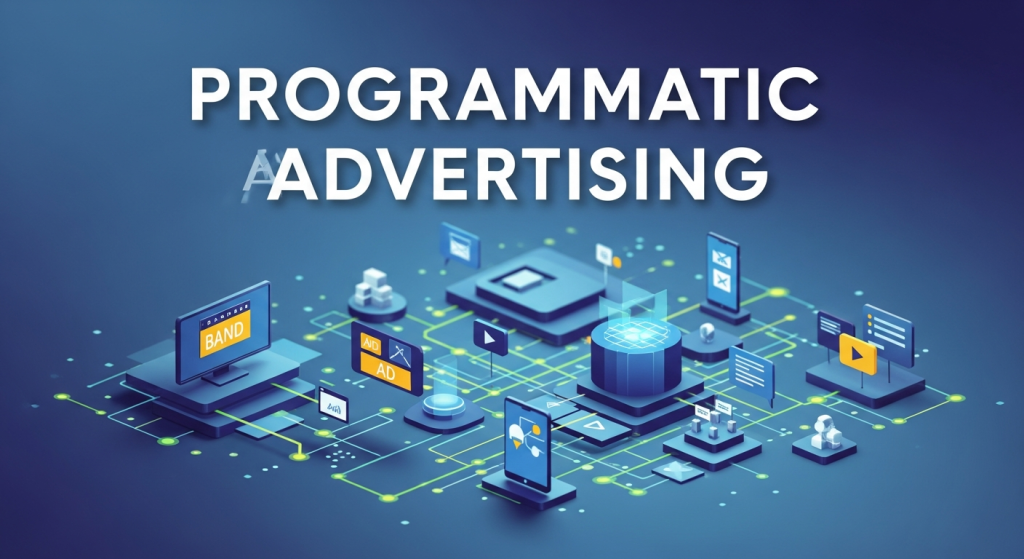
Programmatic advertising uses a combination of interfaces and tools to execute campaigns. Below is a simplified breakdown of how it works:
1. Demand-Side Platforms (DSPs)
A DSP allows advertisers to set up campaigns, determine audience targeting parameters, bid on ad spaces, and manage their budget. It connects advertisers to available inventory on publisher websites.
2. Supply-Side Platforms (SSPs)
SSPs help publishers sell their available ad spaces to advertisers. These platforms automate inventory management and ensure competitive pricing via real-time auctions.
3. Real-Time Bidding (RTB)
RTB is at the heart of programmatic advertising. It’s a process where advertisers bid for ad impressions as they become available. The decision of who wins the ad space happens in a fraction of a second.
4. Data Integration
Programmatic advertising leverages data from various sources like CRM tools, audience pixels, and third-party providers. This data is used to refine audience targeting and enhance campaign performance.
5. Ad Delivery and Monitoring
Once the ad goes live, algorithms continue to fine-tune who sees it and when, depending on real-time performance metrics. Advertisers can adjust campaigns instantly to optimize their returns.
The Benefits of Programmatic Advertising
Why are so many marketers turning to programmatic advertising? Here are some of the standout benefits:
1. Precision Targeting
Programmatic advertising allows you to target audiences based on attributes like location, age, browsing habits, and even time of day.
2. Efficiency
Automation speeds up the entire process of buying and placing ads, saving time and reducing manual errors.
3. Scalability
You can scale campaigns to reach global audiences without hiring multiple teams or agencies.
4. Cost-Effectiveness
The auction-based pricing of programmatic platforms ensures you get the most value from your ad spend while avoiding overpaying.
5. Real-Time Optimization
Programmatic platforms offer live performance tracking, enabling you to tweak campaigns instantly.
Challenges and Solutions
Despite its advantages, programmatic advertising comes with its own set of challenges. Here’s how to address them:
1. Ad Fraud
Fake clicks and views are a concern in any digital ad strategy. Solution: Work only with verified publishers and use third-party fraud detection tools.
2. Complexity
The learning curve for programmatic tools can be steep. Solution: Start with platforms that offer user-friendly dashboards and consider working with an experienced consultant.
3. Privacy Compliance
With strict regulations like GDPR and CCPA, handling consumer data legally is a top concern. Solution: Partner with platforms that adhere to privacy laws and offer transparent data practices.
Best Practices for Implementation
If you’re ready to incorporate programmatic advertising into your marketing, follow these best practices:
- Start Small: Before going all-out, test your campaigns with smaller budgets to see what works.
- Use High-Quality Data: Invest in reliable data sources to ensure your targeting is accurate and impactful.
- Set Clear Goals: Define KPIs before launching, whether it’s brand awareness, lead generation, or conversions.
- Combine with Creative Strategies: Don’t rely solely on targeting. Pair programmatic with eye-catching designs and compelling calls to action.
- Monitor and Adapt: Use real-time analytics to refine your approach continuously.
The Role of Automation in Modern Advertising
Automation has fundamentally transformed how digital advertising operates. Instead of relying on manual placement and guesswork, automated systems evaluate thousands of data points in real time to decide where and when ads should appear. This shift allows marketers to focus more on strategy and creativity while technology handles execution. Automated workflows reduce human error, improve efficiency, and enable faster campaign launches. However, businesses must still monitor performance closely to ensure alignment with goals. While automation delivers speed and scale, it works best when paired with clear objectives and human oversight. Understanding both the benefits and Programmatic Advertising Disadvantages helps marketers build smarter, more balanced campaigns that maximize value without sacrificing control.
Audience Targeting Beyond Basic Demographics
Modern digital advertising goes far beyond age, gender, and location. Today’s targeting strategies incorporate behavioral signals, intent data, device usage, and contextual insights to reach users more effectively. This deeper understanding allows brands to engage audiences based on real interests rather than assumptions. By analyzing browsing patterns and interaction history, marketers can deliver messaging that feels timely and relevant. This level of precision reduces wasted impressions and increases engagement rates. As targeting capabilities evolve, advertisers gain the ability to adapt messaging dynamically across platforms. The result is stronger audience connections and more efficient spending, making precision targeting a core pillar of data-driven campaigns.
Creative Optimization in Real Time
Creativity remains a critical factor in advertising success, even in highly automated environments. Real-time creative optimization allows advertisers to test multiple variations of visuals, headlines, and calls to action simultaneously. Performance data determines which versions resonate most with specific audience segments. This approach removes guesswork and enables continuous improvement throughout a campaign’s lifecycle. Instead of waiting until a campaign ends, marketers can make adjustments instantly to improve results. When paired with data insights, creative optimization ensures that Programmatic Ads not only reach the right audience but also deliver compelling messages that drive meaningful engagement and conversions.
Budget Control and Media Efficiency
One of the strongest advantages of programmatic strategies is enhanced budget control. Advertisers can set spending limits, bid caps, and performance thresholds to ensure efficient use of resources. Real-time bidding environments help brands avoid overpaying for impressions while still competing for high-quality placements. Detailed reporting provides transparency into where budgets are allocated and how each channel performs. This visibility allows marketers to shift spend toward high-performing segments quickly. With the right controls in place, businesses can achieve better outcomes without increasing overall spend, making programmatic approaches especially valuable for performance-driven marketing teams.
Integrating Programmatic with Account-Based Strategies

Combining account-focused strategies with automated media buying creates powerful opportunities for B2B marketers. Instead of targeting broad audiences, brands can focus on specific companies and decision-makers across digital channels. This approach ensures consistent messaging throughout the buyer journey while maintaining personalization at scale. Programmatic ABM enables businesses to engage key accounts with relevant ads based on intent signals and engagement behavior. When aligned with sales efforts, this integration improves pipeline quality and accelerates deal velocity. The result is a more focused, efficient approach that prioritizes high-value relationships over volume-driven tactics.
Measuring Performance Beyond Clicks

Clicks alone no longer define campaign success. Modern measurement strategies focus on deeper performance indicators such as engagement quality, conversion paths, and post-click behavior. Advanced analytics tools help marketers understand how ads influence awareness, consideration, and purchase decisions over time. Attribution models provide insights into which touchpoints contribute most to results. By analyzing these metrics, businesses can refine strategies and improve long-term outcomes. A holistic measurement approach ensures that advertising efforts support broader marketing and revenue goals rather than isolated short-term metrics.
Preparing for the Next Wave of Innovation
The digital advertising landscape continues to evolve rapidly. Emerging technologies like artificial intelligence, contextual targeting, and cookieless solutions are reshaping how brands reach audiences. Marketers must stay adaptable and open to experimentation as regulations, platforms, and consumer expectations change. Continuous learning and testing will be key to staying competitive. Businesses that invest in flexible strategies and scalable technologies will be better positioned to navigate future shifts. By staying informed and proactive, brands can turn innovation into a competitive advantage rather than a disruption.
The Future of Programmatic Advertising
The future of programmatic advertising lies in further advancements in AI. Expect deeper personalization, improved predictive analytics, and enhanced cross-channel capabilities. Voice-search programmatic ads, contextual targeting, and new integrations with augmented reality (AR) and virtual reality (VR) platforms are also on the horizon.
Making Data-Driven Marketing Better with Programmatic Advertising
Programmatic advertising is not just a tool; it’s a strategic necessity for businesses in data-driven marketing. It empowers brands to reach their ideal customers with precision, efficiency, and scale.
If you’re ready to take your marketing to the next level, start exploring programmatic platforms and partner with experienced providers. Implementing this robust strategy could redefine how you connect with your audience, leaving a lasting impact on both engagement and ROI.
Frequently Asked Questions (FAQ)
What is the difference between programmatic advertising and traditional digital advertising?
Traditional digital advertising often involves manual negotiations, fixed pricing, and direct deals with publishers. Programmatic advertising automates the buying and selling of ad space using software and real-time data. This allows advertisers to target specific audiences more precisely, optimize campaigns instantly, and scale efforts more efficiently.
Is programmatic advertising only suitable for large businesses?
No. While large enterprises often benefit from programmatic advertising at scale, small and mid-sized businesses can also use it effectively. By starting with smaller budgets and focused targeting, businesses of any size can leverage programmatic platforms to reach the right audience without wasting ad spend.
How does programmatic advertising use data?
Programmatic advertising relies on customer data such as browsing behavior, demographics, location, and engagement history. This data helps platforms determine which ads to show, to whom, and when. The result is more relevant messaging and higher engagement compared to generic advertising approaches.
Is programmatic advertising safe and compliant with privacy laws?
Yes, when implemented correctly. Most reputable programmatic platforms comply with data privacy regulations such as GDPR and CCPA. Advertisers should work with trusted partners, use consent-based data, and ensure transparency in how user information is collected and used.
How long does it take to see results from programmatic advertising?
Results can appear quickly, often within days or weeks, especially for awareness and engagement campaigns. Performance improves over time as algorithms learn and optimize. Long-term success depends on continuous monitoring, data quality, and campaign refinement.
What types of ads can be run through programmatic advertising?
Programmatic advertising supports a wide range of formats, including display ads, video ads, native ads, mobile ads, and connected TV (CTV) ads. This flexibility allows brands to reach audiences across multiple digital channels with a unified strategy.
Can programmatic advertising work alongside other marketing strategies?
Absolutely. Programmatic advertising works best when combined with content marketing, social media advertising, search marketing, and email campaigns. Together, these strategies create a cohesive, data-driven marketing ecosystem that improves overall performance.