The Evolution of Programmatic Advertising: From Manual to Automated
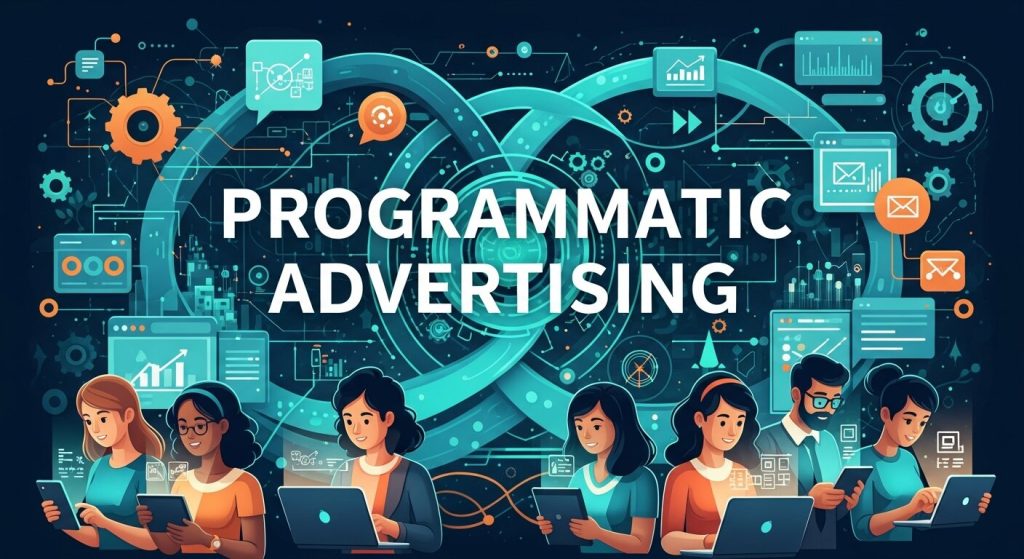
Programmatic advertising has become a buzzword in digital marketing, but behind the hype lies a revolutionary change in how ads are bought and sold in the digital space. Gone are the days when marketers relied on cumbersome, manual processes to secure ad placements. Thanks to programmatic advertising, ad buying has transformed into a sophisticated, automated, and data-driven process, offering marketers unparalleled efficiency and precision.
What is Programmatic Advertising?
Before we jump into its evolution, let’s clarify what programmatic advertising actually means. At its core, programmatic advertising refers to the use of automation and artificial intelligence (AI) to purchase digital ad space in real time. Unlike traditional methods, which involve human negotiations and manual insertion orders, programmatic advertising uses algorithms to connect advertisers with publishers, ensuring optimal ad placements in milliseconds.
This data-driven process integrates machine learning (ML), behavioral insights, audience segmentation, and bidding in real time, making it highly effective for targeted campaigns.
Some key programmatic formats include:
- Display ads (banner ads on websites)
- Video ads (on platforms like YouTube and Hulu)
- Mobile ads (on apps or mobile websites)
- Audio ads (on streaming services like Spotify)
Now, let’s walk through how this process evolved.
The Manual Era of Ad Buying
The Age of Human Negotiations
Picture the digital marketing landscape in the early 2000s. Ad placements were handled much like renting out traditional billboard space. Advertisers would negotiate directly with publishers to secure ad spots, often using drawn-out contracts and emails. While effective to some degree, this process was painfully slow, leaving little room for flexibility or mid-campaign adjustments.
Challenges of Manual Ad Buying
- Time-Consuming: Marketers spent days or weeks negotiating pricing, audience targeting, and ad details.
- Poor Scalability: If you wanted to launch multi-channel ad campaigns, you needed manpower and a significant time investment to place ads across multiple divisions.
- Inefficient Targeting: With limited access to real-time data, advertisers relied on basic metrics, failing to effectively target niche audiences or adapt campaigns in real time.
While this system had its successes, the rapid scale of digital growth exposed its inefficiencies, prompting the need for automation.
The Shift to Automation

The Birth of Real-Time Bidding (RTB)
Real-time bidding (RTB) was a game-changer, laying the foundation for modern programmatic advertising. Using RTB, advertisers could bid for ad impressions in real time. Auctions would occur in seconds, allowing advertisers to purchase ad space dynamically based on audience availability and relevance.
For example, imagine your brand specializes in fitness gear. Using an RTB platform, your ad can instantly bid for space on a fitness blog whenever a user interested in “running tips” visits the site.
Programmatic Direct
Soon after RTB, programmatic direct emerged. This approach combines the efficiency of automation with the security of direct deals. Through programmatic direct, advertisers and publishers negotiate fixed prices for premium ad space, but still benefit from automated delivery.
The Rise of DSPs and SSPs
Enter Demand Side Platforms (DSPs) and Supply Side Platforms (SSPs). DSPs became the go-to tool for advertisers, helping them manage multiple ad campaigns and analyze data in real time. On the flip side, SSPs empowered publishers by letting them auction their ad inventory efficiently. These platforms helped bridge the gap between advertisers and publishers, making ad placements seamless and data-driven.
Benefits of Automated Programmatic Advertising
1. Advanced Targeting
Programmatic advertising uses AI-driven audience segmentation to deliver messages to the right people at the right time. It leverages consumer data such as demographics, browsing history, and behavior patterns to create tailored ad campaigns.
2. Cost Efficiency
With real-time bidding, advertisers only pay for ad impressions that align with their key audience. Gone are the days of excessive ad wastage.
3. Scalability
Whether you’re a small business targeting a localized audience or a global corporation running multi-channel campaigns, programmatic tools help scale efforts while maintaining efficiency.
4. Flexibility and Real-Time Adjustments
Marketers can continuously monitor performance and make real-time optimizations. If an ad isn’t performing well, tweaks can be made instantly to boost engagement.
The Modern Landscape
Machine Learning and Artificial Intelligence
AI has taken programmatic advertising to the next level. By analyzing vast amounts of data, AI algorithms can predict campaign outcomes, adjust bids on the go, and even develop ad creatives tailored to different audience segments.
For instance, programmatic platforms like Google Ads and The Trade Desk use predictive analytics to determine the likelihood of a user engaging with an ad.
Contextual Targeting Makes a Comeback
With third-party cookies being phased out, brands are relying on contextual targeting to maintain personalization. This means showing ads based on the content of a webpage rather than a user’s browsing history. For example, if someone is reading an article on “best running shoes,” they’ll likely be shown ads for fitness gear. It’s a privacy-friendly approach that still drives relevance.
Reducing Ad Waste with Smarter Campaigns
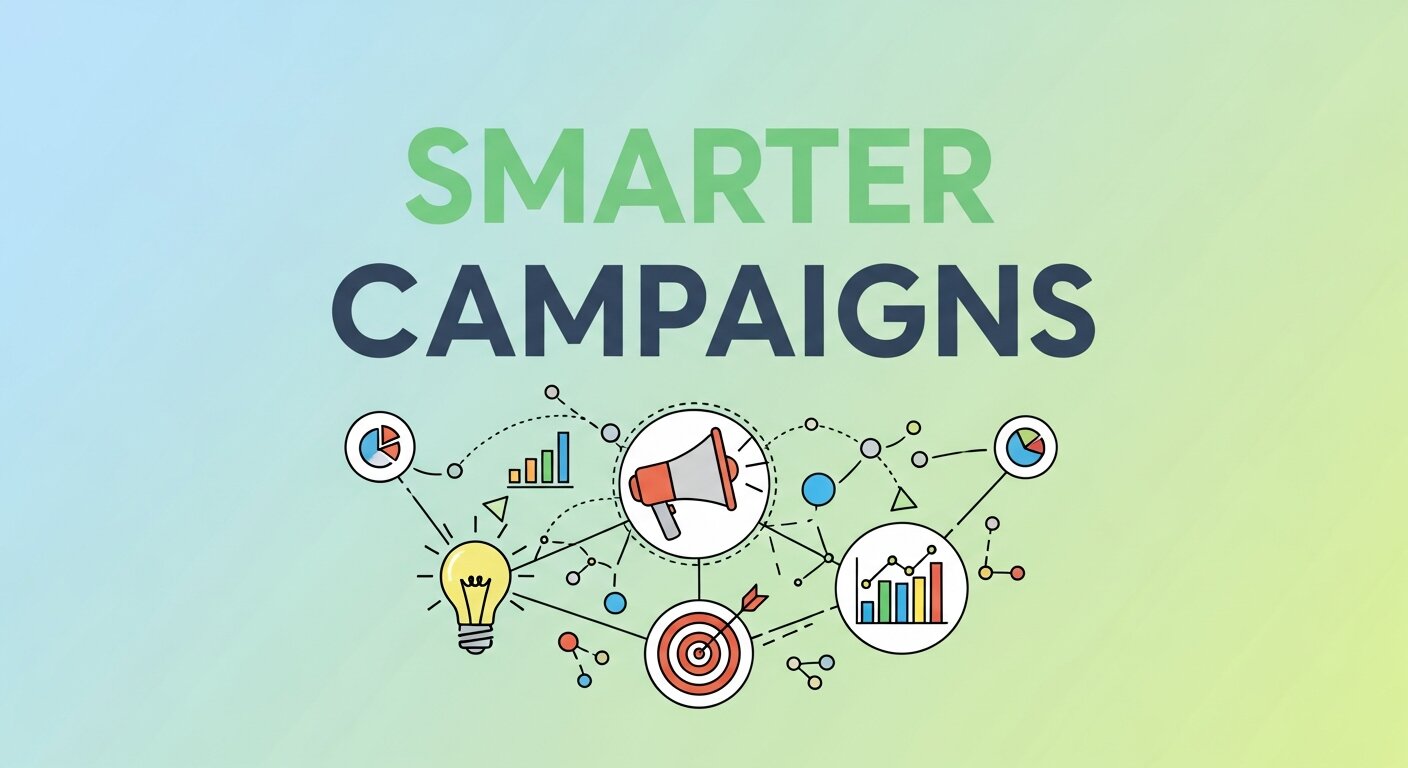
Programmatic advertising allows marketers to optimize campaigns with minimal waste, ensuring that every impression counts. By analyzing real-time audience behavior, businesses can allocate budgets more effectively and avoid spending on irrelevant clicks. This data-driven approach also helps identify underperforming channels quickly, allowing for continuous campaign adjustments. Leveraging predictive analytics and automation, companies can fine-tune targeting parameters, ensuring ads reach users most likely to convert. With this level of precision, marketers not only save money but also increase engagement rates. By integrating insights from past campaigns, brands can improve performance over time while maintaining sustainable programmatic advertising practices that reduce resource consumption and maximize ROI.
Enhancing Audience Privacy and Trust

As digital regulations tighten and consumers become more aware of privacy issues, respecting user data has become critical. Programmatic platforms now incorporate privacy-compliant frameworks, limiting the collection of personal information while still delivering relevant ads. Techniques such as contextual targeting and first-party data usage help maintain personalization without compromising privacy. Marketers can also monitor consent signals and avoid showing ads to users who have opted out. Ethical practices in programmatic campaigns enhance brand credibility and trust among audiences. Implementing programmatic advertising privacy strategies ensures campaigns meet regulatory requirements and protect sensitive data, creating a responsible and transparent approach to automated digital marketing.
Leveraging Cross-Channel Consistency
Today’s consumers interact with brands across multiple devices and platforms. Programmatic campaigns enable marketers to deliver consistent messaging across web, mobile, video, and even connected TV channels. By synchronizing creative assets and targeting criteria, businesses ensure that users receive cohesive ad experiences no matter where they engage. This cross-channel visibility allows marketers to track user journeys effectively, optimize messaging, and improve conversion rates. Automation tools help manage large-scale campaigns without losing personalization, keeping audiences engaged across platforms. Harnessing programmatic advertising in this way ensures every interaction reinforces the brand, creating a seamless experience that drives engagement and long-term loyalty across diverse marketing channels.
Predictive Analytics for Future Campaign Planning
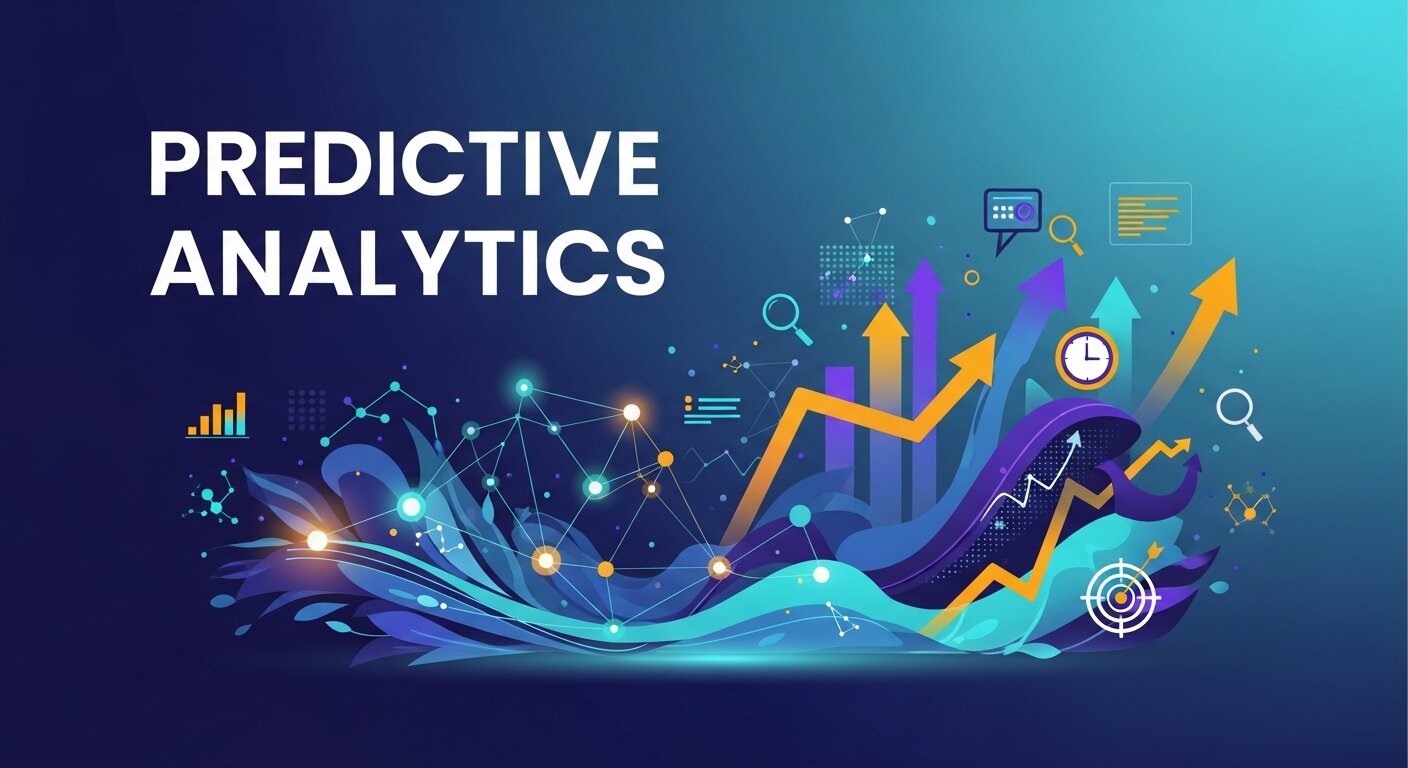
Modern programmatic platforms provide predictive insights that allow marketers to anticipate audience behavior and allocate budgets more efficiently. By analyzing historical data, engagement patterns, and external market trends, algorithms can forecast which segments are most likely to respond to ads. This enables businesses to plan campaigns proactively instead of relying solely on reactive adjustments. Predictive analytics also reduces wasted spend and increases the likelihood of conversions by prioritizing high-value prospects. With these insights, marketers can experiment with new formats, refine messaging, and scale campaigns strategically. Harnessing programmatic advertising with predictive models empowers teams to make informed, data-backed decisions that drive measurable business results.
Boosting ROI Through Dynamic Optimization
One of the strongest advantages of programmatic advertising is its ability to dynamically optimize campaigns in real time. Platforms can adjust bids, creative placements, and targeting parameters automatically based on performance metrics. This ensures that resources are directed toward high-performing segments, reducing wasted spend and increasing overall ROI. Continuous monitoring allows marketers to respond to trends, competitor activity, and seasonal shifts without manual intervention. Over time, the system learns which strategies yield the best outcomes, making campaigns increasingly efficient. By combining automation, analytics, and machine learning, businesses can create a feedback loop that maximizes results while maintaining cost efficiency, demonstrating the power of harnessing programmatic advertising for growth.
What’s Next for Programmatic Advertising?
Omnichannel Campaigns
The future of programmatic advertising includes holistic campaigns across not just websites, but also connected TV (CTV), audio platforms, and even digital billboards. Imagine syncing your mobile ad campaign with a TV ad that users see later in the day.
Ethical AI Innovations
There’s growing emphasis on ethical AI to prevent algorithmic bias and protect user privacy. Companies investing in transparent AI solutions will lead the pack in programmatic advertising.
Expanding into Smaller Markets
While programmatic advertising has become the norm for large corporations, smaller businesses are now entering the space thanks to accessible platforms offering DIY programmatic solutions.
Closing Thoughts
The evolution of programmatic advertising has reshaped the way digital marketers approach ad buying. From the manual days of handshake deals to the precision of AI-powered platforms, programmatic methods offer unprecedented efficiency, accuracy, and ROI.
For marketers, investing time in understanding and leveraging programmatic tools is no longer optional. It’s the key to staying competitive in a data-driven world.
Want to unlock programmatic power for your campaigns? Start experimenting today and see how automation can make your digital marketing more effective.