How Programmatic Advertising Can Amplify Your Inbound Marketing Strategy
Marketing is no longer a game of choosing between traditional outbound and the newer inbound approach. Savvy businesses are realizing that programmatic advertising — when used strategically — can enhance, not compete with, their inbound marketing efforts.
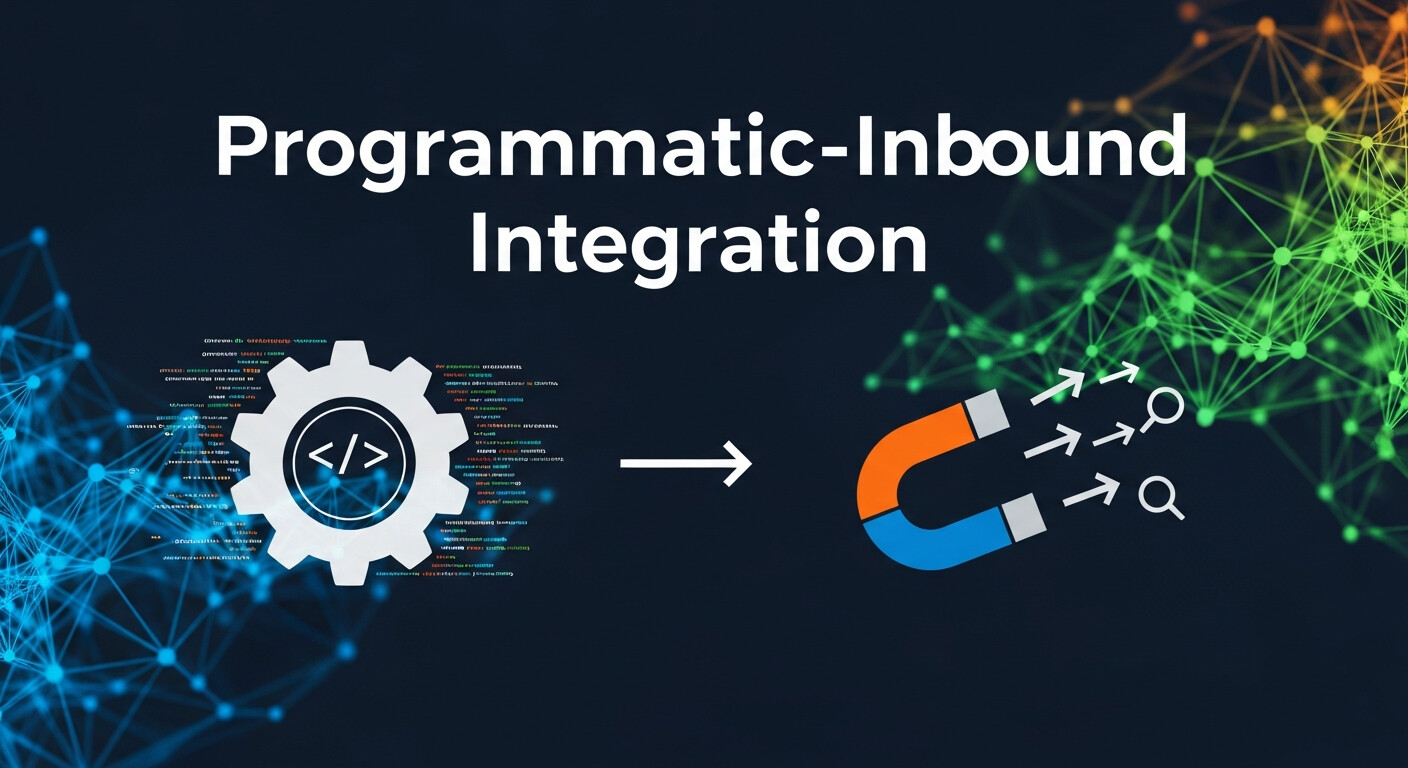
This complete handbook is designed to show you how programmatic advertising can live your inbound marketing, elevating automatic ad buying from a discrete technique into a broader strategic component of your marketing landscape. You’ll get a crash course in programmatic advertising concepts, discover tried and tested integration methods, and find out about some of the real-world applications making a tangible impact.
Understanding the Basics of Programmatic Advertising
What Is Programmatic Advertising?
Programmatic advertising involves using automated systems to buy and sell digital ad space within milliseconds; think high-tech formulas that do all the hard work. Marketers no longer manually bid for ad placements; they buy ad space across websites, mobile apps and connected TV platforms in milliseconds with a demand-side platform (DSP).
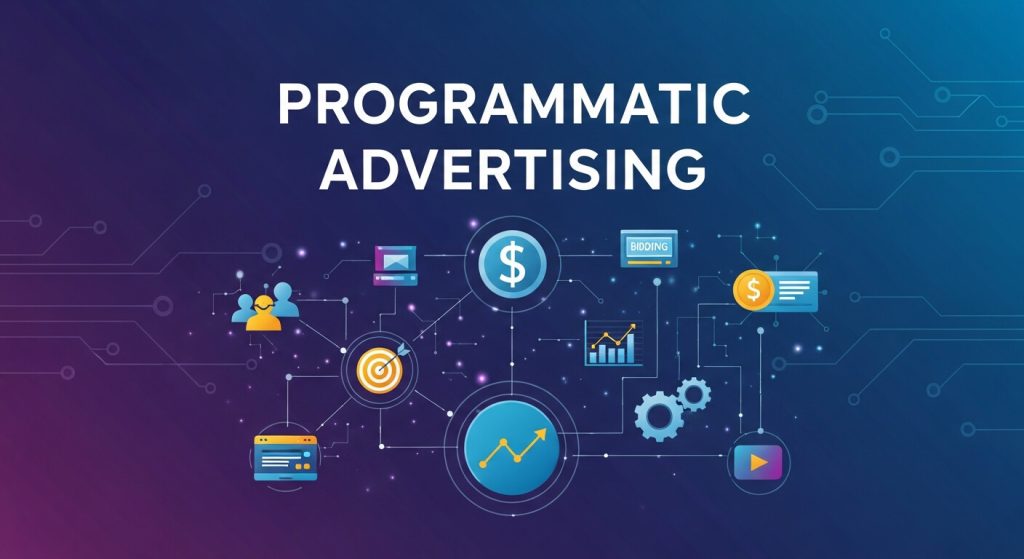
It’s a dance of many moving parts. Publishers supply their ad space via supply-side platforms (SSPs), which advertisers bid on through DSPs. Ad exchanges make these transactions happen while the audience insights, which are necessary for targeting, are provided by data management platforms (DMPs).
Key Components of Programmatic Success
Programmatic advertising is supported by real-time bidding. For every user who lands on a website, an auction happens in real time: advertisers bid to show that particular user their ad, based on available data points including demographics, browsing history, and purchase intent signals.
But data is an equally important enabler. Your CRM and website analytics first-party data are enriched with second and third-party audiences. This is an analytical approach that achieves targeting levels that classic advertising could never obtain.
Ad creatives are optimized by programmatic platforms automatically. Variants of ads are tested on audience segments, and machine learning picks the best combinations for specific objectives.
Benefits That Complement Inbound Marketing
Programmatic advertising offers efficiency gains that free up resources for other inbound marketing activities. Automated buying processes reduce manual work, while real-time optimization ensures budget allocation goes toward the highest-performing placements.
Scale becomes achievable without proportional increases in management overhead. A single programmatic campaign can reach audiences across thousands of websites and apps, expanding your inbound marketing reach beyond owned media channels.
Precision targeting capabilities allow you to reach prospects at different stages of the buyer’s journey with tailored messaging. This granular approach aligns perfectly with inbound marketing’s focus on delivering relevant content to qualified leads.
Integrating Programmatic Advertising with Inbound Marketing
Creating Synergy Between Paid and Owned Media
The most effective integration strategies treat programmatic advertising as an extension of your inbound marketing funnel rather than a separate channel. Start by mapping your programmatic campaigns to specific buyer journey stages that align with your existing content strategy.
Top-of-funnel programmatic campaigns can drive awareness and traffic to your educational content. Use broad targeting parameters to reach users showing early-stage interest signals, then direct them to blog posts, guides, or other valuable resources that demonstrate your expertise.
Middle-of-funnel campaigns become more targeted, reaching users who have engaged with your content but haven’t yet converted. Retargeting pixels installed on key pages allow you to serve relevant ads to users based on their specific interests and behaviors on your site.
Bottom-of-funnel programmatic efforts focus on conversion optimization. Target users who have demonstrated strong purchase intent through their engagement patterns, serving them ads that highlight product benefits, customer testimonials, or limited-time offers.
Audience Development and Nurturing
Programmatic advertising excels at audience development when integrated thoughtfully with inbound strategies. Use lookalike modeling to find prospects similar to your best customers, then serve them content-focused ads that introduce your brand and expertise.
Custom audience creation becomes powerful when you combine first-party data from your inbound marketing efforts with programmatic targeting capabilities. Upload email lists from your marketing automation platform to create targeted campaigns for specific segments.
Cross-device tracking ensures consistent messaging as prospects move between devices throughout their buyer journey. Someone who reads your blog post on mobile can see related ads on their desktop, creating a cohesive experience that reinforces your brand message.
Content Amplification Strategies
Your existing inbound content becomes the foundation for programmatic creative assets. Transform blog posts into display ads, turn webinar highlights into video ads, and repurpose case studies into social proof-focused campaigns.
Dynamic creative optimization takes content amplification further by automatically testing different headlines, images, and calls-to-action based on audience segments. Your programmatic platform learns which content resonates with specific audience types and optimizes accordingly.
Sequential storytelling through programmatic campaigns creates narrative arcs that guide prospects through your marketing funnel. Show different ads to the same user over time, building familiarity and trust through repeated exposure to your brand and message.
Case Studies: Real-World Success Stories
B2B Software Company Transformation
A mid-sized B2B software company struggled to scale their inbound marketing beyond organic search and email. Their blog attracted quality traffic, but conversion rates remained low due to limited touchpoints with potential customers.
They implemented programmatic advertising to retarget blog readers with relevant content offers. Visitors who read articles about productivity challenges saw ads promoting their productivity optimization guide. Those who engaged with security-focused content received ads for their cybersecurity whitepaper.
Results showed a 40% increase in content download rates and a 25% improvement in marketing qualified leads. The programmatic campaigns didn’t just drive conversions—they enhanced the effectiveness of existing inbound content by ensuring the right people saw the right offers at the right time.
E-commerce Brand Integration
An e-commerce brand selling outdoor gear had built a strong inbound marketing foundation through adventure-focused blog content and social media engagement. However, they wanted to expand their reach beyond their current audience while maintaining alignment with their brand values.
Their programmatic strategy focused on contextual targeting, placing ads on websites related to hiking, camping, and outdoor adventures. Creative assets featured real customers using their products in authentic outdoor settings, maintaining the genuine feel of their inbound content.
The integration generated a 60% increase in new customer acquisition while maintaining their target cost per acquisition. More importantly, the new customers acquired through programmatic showed similar lifetime value patterns to those acquired through organic channels, indicating strong brand-audience fit.
Professional Services Firm Growth
A marketing consultancy had developed thought leadership through consistent content creation and industry speaking engagements. Their challenge involved reaching decision-makers at companies that could benefit from their services but weren’t actively searching for marketing help.
They used programmatic advertising to target specific job titles at companies matching their ideal customer profile. Ad creative featured insights from their latest research reports and case study results, positioning the firm as a knowledgeable partner rather than a vendor.
The approach resulted in a 45% increase in consultation requests and a 30% improvement in deal size. The programmatic campaigns effectively extended their thought leadership content to new audiences, creating awareness among prospects who later engaged with their inbound marketing channels.
Best Practices for Programmatic-Inbound Integration
Data Strategy and Audience Development
Successful integration begins with a unified data strategy that connects your inbound marketing insights with programmatic targeting capabilities. Create detailed buyer personas based on your best customers, then translate those personas into programmatic audience segments.
First-party data collection becomes critical for long-term success. Implement tracking systems that capture user behavior across all touchpoints, from initial ad exposure through final conversion. This data feeds both your marketing automation platform and your programmatic campaigns.
Privacy compliance requires careful attention as data regulations evolve. Ensure your data collection and usage practices meet current requirements while building sustainable audience development processes that don’t rely solely on third-party cookies.
Creative Development and Testing
Programmatic creative assets should feel consistent with your inbound marketing content while being optimized for their specific placement contexts. Maintain brand voice and visual identity across all touchpoints to create cohesive user experiences.
A/B testing becomes more sophisticated when applied to programmatic campaigns. Test different value propositions, creative formats, and landing page combinations to identify the most effective combinations for each audience segment.
Dynamic creative optimization allows for personalization at scale. Use your customer data to automatically customize ad elements like product recommendations, local references, or industry-specific messaging based on user characteristics.
Measurement and Attribution
Attribution modeling becomes complex when programmatic advertising works alongside inbound marketing channels. Implement multi-touch attribution systems that account for the full customer journey, giving appropriate credit to both paid and organic touchpoints.
Key performance indicators should align with your overall inbound marketing goals rather than focusing solely on traditional advertising metrics. Track metrics like content engagement rates, email sign-up quality, and long-term customer value alongside immediate conversion data.
Regular optimization based on performance data ensures your integration continues improving over time. Set up automated reporting that highlights both individual channel performance and cross-channel synergies, enabling data-driven decision making.
Maximizing Your Marketing Investment
Programmatic advertising can amplify your inbound marketing strategy when approached strategically rather than as a replacement for organic efforts. The key lies in creating integrated campaigns that enhance your existing content and audience development efforts while maintaining the authentic, value-first approach that makes inbound marketing effective.
Success requires viewing programmatic advertising as part of your broader marketing ecosystem rather than an isolated channel. When your paid campaigns reinforce your content strategy, support your lead-nurturing efforts, and align with your brand positioning, they become powerful amplifiers that extend your inbound marketing reach and effectiveness.
Start small with retargeting campaigns that promote your best-performing content to engaged website visitors. As you gain experience and data, expand into prospecting campaigns that introduce new audiences to your brand through valuable content offers. This gradual approach allows you to maintain the quality and authenticity that defines effective inbound marketing while leveraging the scale and precision that programmatic advertising provides.
Frequently Asked Questions (FAQ)
What is programmatic advertising in simple terms?
Programmatic advertising is the automated buying and selling of digital ad space in real time. Instead of manually negotiating placements, advertisers use technology platforms that rely on data and algorithms to deliver ads to the right audience at the right moment across websites, apps, and connected TV.
How is programmatic advertising different from traditional display advertising?
Traditional display advertising typically involves fixed placements and manual buying processes. Programmatic advertising uses real-time bidding, audience data, and machine learning to optimize where and when ads appear, resulting in more efficient spending, greater reach, and more precise targeting.
Does programmatic advertising replace inbound marketing?
Programmatic advertising does not replace inbound marketing. Instead, it enhances inbound efforts by amplifying content, increasing reach, and re-engaging audiences who have already interacted with your brand. When combined, the two approaches work together to guide prospects through the buyer’s journey.
How does programmatic advertising support the inbound marketing funnel?
Programmatic advertising can be aligned with every stage of the inbound funnel. It helps drive awareness by directing new audiences to educational content, nurtures consideration by retargeting engaged visitors with relevant resources, and supports conversion by delivering more product- or proof-focused messaging to high-intent users.
What types of data are used in programmatic advertising?
Programmatic advertising relies on a combination of first-party, second-party, and third-party data. First-party data such as website behavior, CRM records, and email engagement is particularly valuable because it is accurate, privacy-compliant, and directly tied to inbound marketing performance.
Is programmatic advertising suitable for B2B companies?
Programmatic advertising is highly effective for B2B organizations, especially when targeting is based on firmographics, job titles, and account-level data. It allows B2B brands to reach decision-makers who may not be actively searching while reinforcing thought leadership and content-driven messaging.
How does programmatic handle creative optimization?
Programmatic platforms use dynamic creative optimization to automatically test different ad variations across audience segments. Over time, machine learning identifies which combinations of messaging, visuals, and calls-to-action perform best and prioritizes those for improved results.
How do you measure success when combining programmatic and inbound marketing?
Measuring success requires a multi-touch attribution approach that considers the entire customer journey. Performance should be evaluated using inbound-aligned metrics such as content engagement, lead quality, conversion rates, and long-term customer value rather than relying solely on click-based metrics.
Is programmatic advertising privacy-compliant?
Programmatic advertising can be privacy-compliant when data is collected transparently and used with proper consent. As regulations continue to evolve, successful strategies emphasize first-party data and responsible targeting practices to ensure long-term sustainability.
How should companies get started with programmatic advertising?
Companies should begin with small, focused campaigns such as retargeting engaged website visitors with high-performing content. As data and experience grow, they can expand into broader audience targeting while maintaining alignment with inbound marketing principles and brand authenticity.