How Machine Learning is Transforming Programmatic Advertising
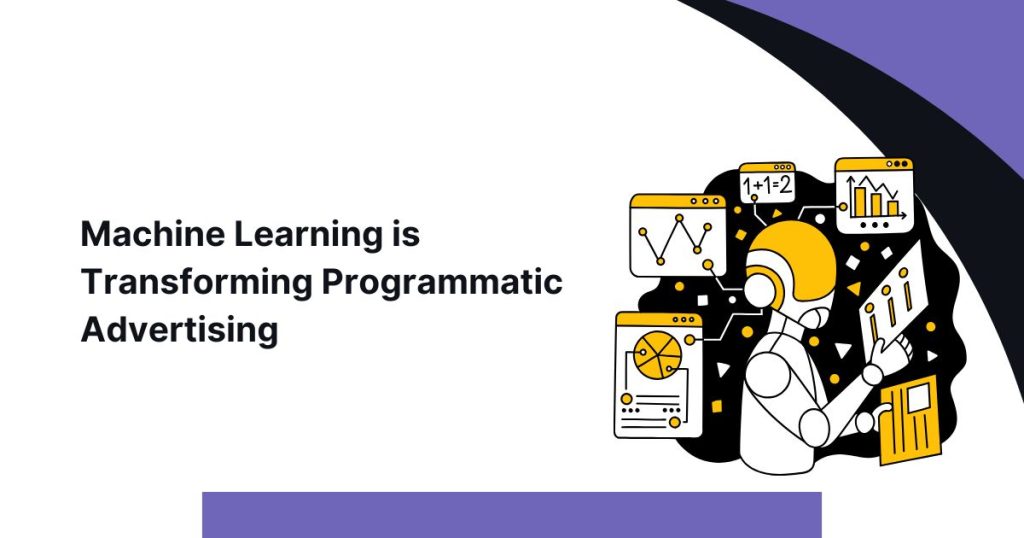
The digital advertising landscape has undergone a seismic shift over the past decade. What once required manual negotiations, phone calls, and spreadsheets has evolved into an automated ecosystem where billions of ad impressions are bought and sold in milliseconds. At the heart of this transformation lies machine learning—a technology that’s not just optimizing programmatic advertising, but completely redefining how brands connect with their audiences.
What is Machine Learning in Programmatic Advertising?
Machine learning in programmatic advertising refers to the use of algorithms that automatically improve campaign performance through experience and data analysis. Unlike traditional rule-based systems, machine learning models can identify complex patterns in vast datasets, predict user behavior, and optimize ad delivery in real-time.
These intelligent systems continuously learn from every interaction, click, conversion, and impression to refine their understanding of what drives successful advertising outcomes. The result is a self-improving advertising ecosystem that becomes more effective over time.
Real-Time Bidding and Smart Auction Dynamics

Predictive Bid Optimization
Machine learning has revolutionized real-time bidding (RTB) by enabling predictive bid optimization. Instead of relying on historical averages or simple rules, ML algorithms analyze hundreds of variables in real-time to determine the optimal bid for each impression.
These variables include user demographics, browsing history, device type, time of day, weather conditions, and countless other contextual signals. The algorithm considers the likelihood of conversion, the value of that potential conversion, and competitive factors to calculate a bid that maximizes return on ad spend.
Dynamic Auction Participation
Smart algorithms now decide which auctions to participate in based on the probability of achieving campaign objectives. This selective approach prevents wasted spend on low-quality inventory while focusing the budget on high-value opportunities.
Machine learning models can predict auction outcomes before they occur, allowing advertisers to enter bidding wars only when they have a reasonable chance of winning at an acceptable price point.
Advanced Audience Targeting and Segmentation
Lookalike Modeling
One of the most powerful applications of machine learning in programmatic advertising is lookalike modeling. These algorithms analyze the characteristics and behaviors of an advertiser’s best customers to identify similar users across the web.
Machine learning models can process thousands of data points to find subtle patterns that human analysts might miss. They consider not just demographic similarities, but behavioral patterns, content preferences, purchase timing, and engagement habits to create highly accurate lookalike audiences.
Dynamic Audience Segmentation
Traditional audience segments were static and broad. Machine learning enables dynamic segmentation that evolves based on user behavior and campaign performance. Users can move between segments automatically as their interests and intent change.
These dynamic segments allow for more personalized messaging and improved campaign relevance, leading to higher engagement rates and better conversion performance.
Creative Optimization and Personalization
Automated Creative Testing
Machine learning algorithms can automatically test different creative elements—headlines, images, calls-to-action, and layouts—to determine which combinations perform best for specific audience segments.
This goes beyond simple A/B testing. ML-powered creative optimization can test hundreds of variations simultaneously and quickly identify winning combinations based on statistical significance and confidence intervals.
Dynamic Creative Optimization
Dynamic Creative Optimization (DCO) uses machine learning to assemble personalized ad creatives in real-time. The algorithm selects the most relevant creative elements based on user data, context, and predictive performance models.
For example, a travel advertiser might show beach destinations to users who recently searched for tropical vacations while displaying mountain retreats to users interested in hiking and outdoor activities.
Cross-Channel Optimization
Machine learning enables advertisers to optimize campaigns across multiple channels simultaneously. By analyzing user behavior on social media, websites, email, and mobile apps, ML models identify patterns that indicate higher engagement and conversion potential. This cross-channel insight allows marketers to allocate budgets dynamically, shifting spend to channels that deliver the best ROI in real time. Additionally, ML can detect when a user is being overexposed to ads, helping to prevent ad fatigue. The result is a coordinated advertising strategy that maximizes efficiency, reduces wasted spend, and delivers a more consistent and personalized experience for each user.
Predictive Audience Insights
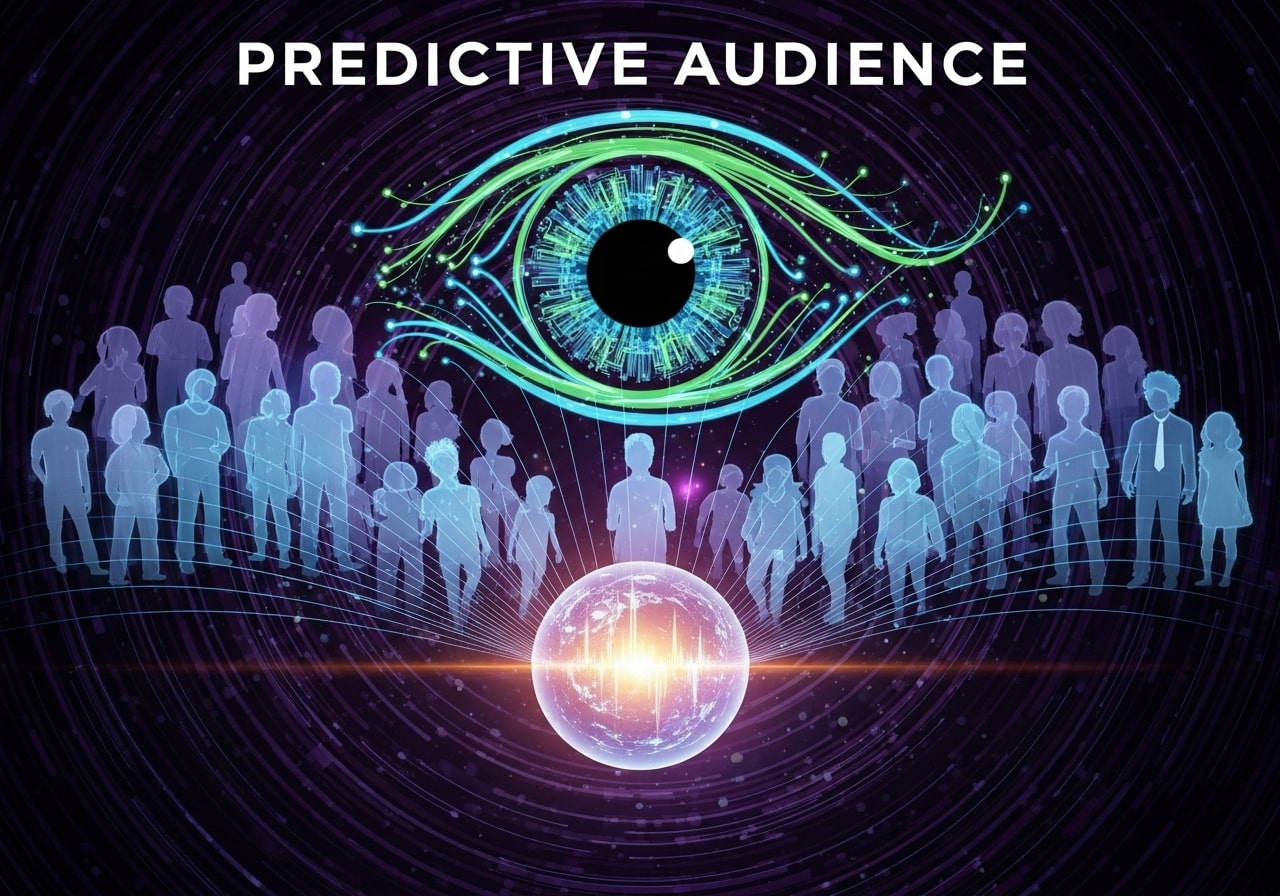
Machine learning can generate predictive insights about future audience behavior, allowing advertisers to act before trends fully emerge. By analyzing historical data, engagement patterns, and contextual signals, ML models forecast which users are most likely to convert, churn, or engage with specific content. These insights inform targeting strategies, content personalization, and campaign planning, helping brands reach the right users at the right time. Predictive analytics also enables advertisers to identify emerging audience segments and new opportunities, reducing reliance on static demographics. Ultimately, predictive insights help marketers make proactive decisions, improve campaign effectiveness, and gain a competitive edge in a fast-moving digital landscape.
Adaptive Budget Management
Machine learning facilitates adaptive budget management by continuously evaluating campaign performance and reallocating resources to maximize ROI. Algorithms analyze conversion rates, engagement metrics, audience quality, and competitive factors to adjust bids and budget distribution in real-time. This eliminates the inefficiencies of fixed budgets and manual adjustments, ensuring money is spent where it delivers the highest impact. Adaptive budget management also helps prevent overspending on underperforming inventory while seizing high-value opportunities as they arise. By leveraging these dynamic adjustments, advertisers can maintain cost efficiency, improve campaign scalability, and achieve more predictable results, even in volatile or competitive advertising environments.
Contextual and Semantic Targeting
Machine learning enhances contextual and semantic targeting by understanding the meaning and intent of content rather than relying solely on keywords. Algorithms analyze web pages, videos, and social media content to identify topics, sentiment, and relevance, ensuring ads appear in environments aligned with brand values and audience interests. Semantic targeting reduces wasted impressions, improves engagement, and protects brand safety. Additionally, ML models can dynamically adapt targeting as content and user behavior change, enabling real-time personalization. By moving beyond basic keyword matching, contextual targeting powered by machine learning provides more accurate ad placement, higher relevance, and better overall campaign performance across the programmatic ecosystem.
Fraud Detection and Brand Safety
Anomaly Detection
Machine learning excels at identifying unusual patterns that might indicate fraudulent activity. ML algorithms can detect bot traffic, click farms, and other forms of ad fraud by analyzing behavioral patterns that differ from legitimate user interactions.
These systems continuously learn new fraud patterns, staying ahead of increasingly sophisticated bad actors who try to game the advertising system.
Content Classification
Brand safety has become a critical concern for advertisers. Machine learning algorithms can analyze web page content, video content, and user-generated content to ensure ads appear in appropriate environments.
These systems can understand context and nuance better than keyword-based filters, reducing the risk of ads appearing next to inappropriate content while minimizing false positives that might limit reach unnecessarily.
Performance Measurement and Attribution
Multi-Touch Attribution
Machine learning has transformed attribution modeling by enabling sophisticated multi-touch attribution systems. These models can analyze the entire customer journey across devices and channels to determine the true impact of each touchpoint.
Instead of relying on last-click attribution, ML-powered attribution models consider the complex interactions between different marketing channels and assign appropriate credit to each touchpoint based on its influence on the final conversion.
Predictive Performance Analytics
Machine learning algorithms can predict campaign performance trends and identify optimization opportunities before they become obvious in traditional reporting. This predictive capability allows marketers to make proactive adjustments rather than reactive ones.
Challenges and Considerations
Data Quality and Privacy
Machine learning algorithms are only as good as the data they’re trained on. Poor data quality can lead to biased or ineffective models. Additionally, increasing privacy regulations and the deprecation of third-party cookies present challenges for data collection and model training.
Algorithm Transparency
Many machine learning models operate as “black boxes,” making it difficult for marketers to understand why certain decisions are made. This lack of transparency can make it challenging to troubleshoot issues or explain performance to stakeholders.
Continuous Learning Requirements
Machine learning models require ongoing maintenance, monitoring, and retraining to remain effective. Consumer behavior, market conditions, and competitive landscapes change constantly, requiring algorithms to adapt continuously.
The Future of ML-Powered Programmatic Advertising
The integration of machine learning and programmatic advertising will only deepen. We can expect to see more sophisticated AI models that can understand context and intent with human-like comprehension. These systems will likely incorporate natural language processing to better understand content and user sentiment.
Cross-device tracking and identity resolution will become more sophisticated, enabling better user journey understanding despite privacy constraints. Machine learning will also play a larger role in creative generation, potentially creating entirely new ad formats optimized for specific users and contexts.
Maximizing Your Programmatic ML Strategy
Machine learning has transformed programmatic advertising from a simple automation tool into an intelligent marketing platform capable of driving significant business results. The technology continues to evolve rapidly, offering new opportunities for advertisers willing to embrace data-driven approaches and algorithmic optimization.
To succeed with machine learning in programmatic advertising, focus on data quality, choose partners with proven ML capabilities, and maintain a balance between automation and human oversight. The brands that master this combination of technology and strategy will have a significant competitive advantage in the evolving digital advertising landscape.
Start by auditing your current programmatic setup, identifying areas where machine learning could drive improvements, and developing a roadmap for incorporating more intelligent algorithms into your advertising strategy. The future of advertising is algorithmic, and that future is now.
FAQ – Machine Learning in Programmatic Advertising
1. What is machine learning in programmatic advertising?
Machine learning in programmatic advertising refers to the use of algorithms that automatically improve campaign performance by analyzing data and learning from past interactions. Unlike traditional rule-based systems, machine learning models can detect complex patterns, predict user behavior, and optimize ad delivery in real-time.
2. How does machine learning improve real-time bidding?
Machine learning enables predictive bid optimization by analyzing hundreds of variables, such as user demographics, browsing history, device type, and contextual signals, to calculate the optimal bid for each impression. It also helps advertisers decide which auctions to participate in, preventing wasted spend and maximizing return on ad spend.
3. What is lookalike modeling and how does it work?
Lookalike modeling uses machine learning to identify new audiences that resemble an advertiser’s best customers. The algorithm analyzes behavioral patterns, demographics, purchase timing, content preferences, and engagement habits to create highly accurate audience segments, enabling more precise targeting.
4. How does dynamic audience segmentation work?
Dynamic audience segmentation allows user segments to evolve based on behavior and campaign performance. Users can move automatically between segments as their interests and intent change, which helps deliver more personalized messaging and improves engagement and conversion rates.
5. What is dynamic creative optimization (DCO)?
Dynamic Creative Optimization uses machine learning to assemble personalized ad creatives in real-time. The system selects the most relevant combination of images, headlines, calls-to-action, and layouts for each user based on predictive performance, context, and behavioral data.
6. How does machine learning help with fraud detection and brand safety?
Machine learning algorithms can identify unusual patterns that indicate fraudulent activity, such as bot traffic or click farms. They also analyze web and video content to ensure ads appear in appropriate environments, reducing the risk of brand safety issues while minimizing unnecessary restrictions.
7. How does ML improve performance measurement and attribution?
Machine learning enables sophisticated multi-touch attribution, allowing advertisers to understand the contribution of each touchpoint across devices and channels. Predictive analytics also helps marketers anticipate trends, optimize campaigns proactively, and identify opportunities before traditional reporting would reveal them.
8. What are the main challenges of using machine learning in programmatic advertising?
Key challenges include data quality, privacy regulations, algorithm transparency, and the need for continuous monitoring and retraining. Poor data can lead to ineffective models, and black-box algorithms can make it difficult to explain or troubleshoot decisions. Additionally, changing market conditions require ongoing adaptation of ML models.
9. How should advertisers start using machine learning in programmatic advertising?
Advertisers should begin by auditing their current programmatic setup and identifying areas where machine learning could improve performance. Ensuring high-quality data, selecting partners with proven ML capabilities, and balancing automation with human oversight are critical for success. Starting small and gradually scaling ML-driven initiatives allows for controlled testing and optimization.
10. What is the future of machine learning in programmatic advertising?
The future includes more sophisticated AI models capable of understanding context and intent, improved cross-device tracking despite privacy restrictions, and increased automation in creative generation. Machine learning will continue to transform programmatic advertising into a highly intelligent, data-driven ecosystem.