Harnessing Programmatic Advertising: Advanced Personalization Strategies for E-commerce Growth

This guide explores how programmatic advertising is transforming e-commerce personalization by delivering the right message to the right customer in real time. It explains why personalization is essential for improving conversions, average order value, and long-term loyalty. The article covers core personalization strategies—including Dynamic Creative Optimization, real-time bidding, audience segmentation, cross-device consistency, identity resolution, predictive personalization, personalized landing pages, zero-party data usage, and real-time optimization loops.
In today’s competitive online marketplace, delivering the right message to the right customer at the right time is no longer a luxury—it’s a necessity. Programmatic advertising has evolved beyond automated media buying; it now powers hyper-personalized experiences that drive higher conversion rates, increased average order values, and lasting customer loyalty. In this deep-dive guide, we explore advanced personalization strategies you can implement in your e-commerce business to harness the full potential of programmatic advertising.
Why Personalization Matters in E-commerce

Consumers expect brands to know their preferences, browsing history, and purchasing behavior. According to recent studies, personalized shopping experiences can increase sales conversion by up to 20% and improve average order value by 10% or more. By tailoring ad creatives, messaging, and offers to individual shoppers, e-commerce merchants can create meaningful interactions that resonate emotionally and drive measurable business outcomes.
The Role of Programmatic Advertising in Personalization
Programmatic advertising leverages real-time bidding (RTB), audience data, and automation to optimize ad placement across multiple channels. By integrating first-, second-, and third-party data into demand-side platforms (DSPs), brands can dynamically select which creative, offer, or call-to-action to serve a specific user. This level of precision not only reduces wasted ad spend but also enhances user experience, leading to higher engagement and loyalty.
Data Sources for Hyper-Personalization
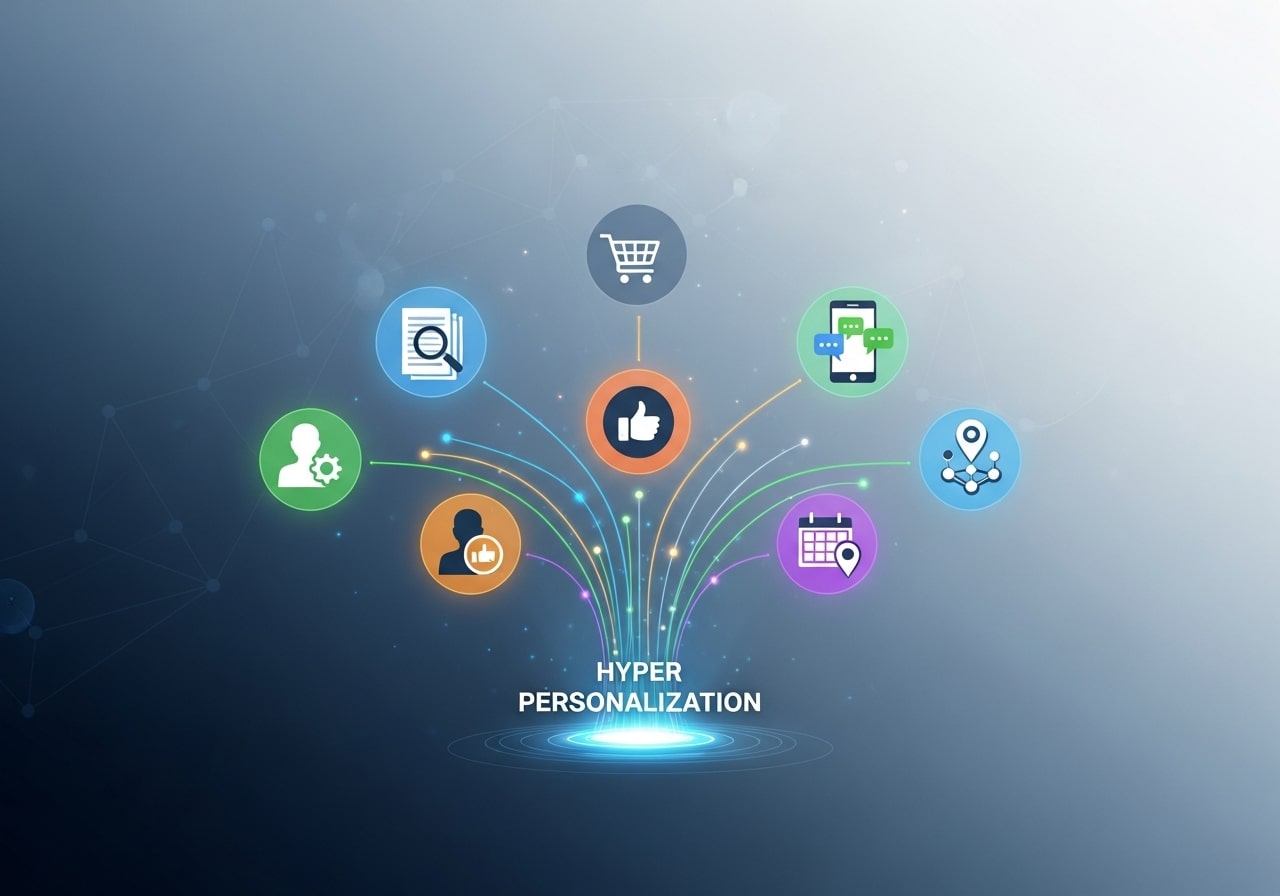
Effective personalization begins with robust data. Key sources include:
- First-Party Data: Customer profiles, purchase history, and on-site behavior you collect directly.
- Second-Party Data: Partner data exchanges with non-competing brands in adjacent verticals.
- Third-Party Data: Demographics, interests, and intent signals aggregated from external data providers.
- Contextual Data: Real-time page context, time of day, device type, and geo-location.
Advanced Personalization Strategies
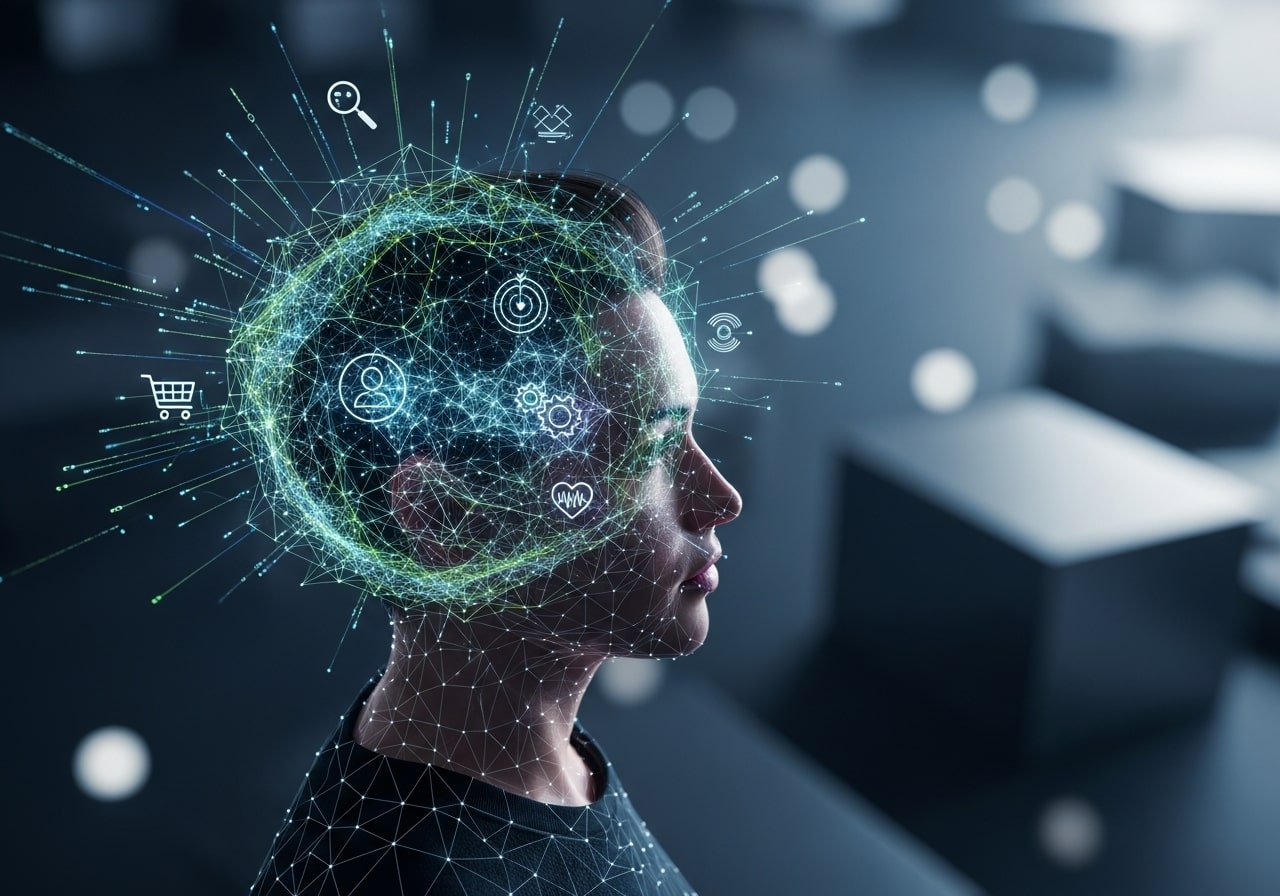
1. Dynamic Creative Optimization (DCO)
DCO technology enables real-time assembly of ad creatives based on user data. By mixing and matching headlines, images, product recommendations, and calls-to-action, you can test multiple variants at scale. This ensures that each shopper sees the most relevant offer, and that you’re continually optimizing toward the best-performing combination.
2. Real-Time Bidding and Audience Segmentation
Leverage RTB to adjust bidding strategies for different audience segments. For high-value customers (based on lifetime value or cart size), increase bid bids by a defined percentage to secure premium inventory. For first-time visitors, use look-alike modeling to identify prospects who resemble your top customers and tailor creative messaging accordingly.
3. Cross-Device and Omnichannel Personalization
Customers interact with brands across mobile, desktop, social media, and connected TV. Synchronize user profiles and purchase intent signals across channels so that a shopper who added a product to cart on mobile sees a tailored retargeting ad on desktop. This unified approach reduces friction and reinforces brand messaging wherever the customer engages.
Building a Unified Customer View with Identity Resolution
A major challenge in e-commerce personalization is recognizing the same customer across devices, channels, and sessions. Identity resolution solves this by stitching together fragmented data points—such as login information, cookies, email interactions, and mobile identifiers—into a single coherent customer profile. When your systems can accurately identify a shopper, you can deliver more relevant recommendations, suppress ads for products they’ve already purchased, and refine bidding strategies based on their lifetime value. A unified customer view also ensures consistency: if a user receives a discount on mobile, they should see the same offer on desktop or CTV. This eliminates confusion, improves trust, and enables more sophisticated personalization, such as predictive upsells or replenishment reminders timed perfectly with usage patterns. The stronger your identity resolution layer, the more effective your programmatic personalization becomes.
Predictive Personalization Using Machine Learning Models
Beyond reacting to user behavior, modern e-commerce brands are turning to predictive personalization—leveraging machine learning models to anticipate what customers will want before they explicitly show interest. These models analyze patterns in browsing behavior, past purchases, price sensitivity, seasonal buying trends, and even micro-interactions such as scroll depth or time on page. With predictive insights, your programmatic ads can automatically highlight products with the highest likelihood of purchase, personalize offers based on expected customer value, and even identify at-risk customers who may require a retention-focused campaign. Predictive personalization transforms advertising from reactive to proactive, significantly increasing engagement rates and long-term loyalty. It also allows marketers to allocate budgets more efficiently, investing more in high-probability conversions while reducing waste on low-intent segments.
Personalized Landing Pages to Amplify Ad Performance
The personalization journey shouldn’t end when a customer clicks an ad—your landing pages should be equally tailored. Personalized landing pages reinforce relevance by matching the user’s intent, interests, and browsing history. For example, if a shopper clicks an ad promoting winter jackets, the landing page should highlight curated winter collections, personalized size suggestions, or location-based recommendations. This continuity reduces bounce rates and boosts conversion likelihood. With programmatic personalization, brands can dynamically adjust landing page elements such as banners, content blocks, product recommendations, and CTAs based on user segments or predictive models. A seamless ad-to-landing-page experience strengthens brand consistency, enhances trust, and maximizes the effectiveness of your paid media spend.
Leveraging Zero-Party Data for Ethical Personalization
Zero-party data—the information customers voluntarily share—has become a goldmine for personalization, especially in a world increasingly focused on privacy and data ethics. Unlike third-party data, zero-party data is willingly provided through quizzes, surveys, preference centers, and interactive content. Because it reflects explicit customer preferences, it is highly accurate and incredibly valuable for programmatic personalization. Brands can use this data to tailor product recommendations, shape messaging tone, fine-tune promotions, and select optimal channels for ad delivery. For example, if a shopper indicates interest in sustainable products, your programmatic engine can prioritize eco-friendly ads across all touchpoints. Zero-party data not only enhances personalization accuracy but also builds trust, as consumers appreciate transparency and control over their own information.
Creating Real-Time Feedback Loops to Continuously Optimize Campaigns
Effective programmatic personalization requires constant monitoring and rapid iteration. Real-time feedback loops allow brands to quickly adapt their creative, bids, and targeting strategies based on live performance data. By connecting your DSP, CDP, analytics tools, and attribution models, marketers gain immediate insight into which audiences are converting, which creative combinations perform best, and which channels deliver the highest ROI. This continuous flow of intelligence helps eliminate underperforming ad sets, scale successful variants, and allocate budgets more efficiently. Real-time optimization also enables advanced capabilities such as dynamic suppression (removing ads for purchased items), time-sensitive promotions triggered by user behavior, and automated A/B testing of creative variations. With feedback loops in place, personalization becomes a living system—constantly adjusting to user needs and market conditions for sustained growth.
Case Studies: Success with Programmatic Personalization

Case Study 1: Upsell Automation in Fashion Retail
A leading online fashion retailer implemented DCO to recommend complementary accessories after a purchase. By dynamically updating banner ads with real-time inventory and personalized product pairings, they saw a 35% increase in average order value and a 25% uplift in repeat purchases.
Case Study 2: Geo-Targeted Offers for Local Promotions
A home décor e-commerce brand used contextual data and geo-fencing to deliver region-specific promotions. Users in colder climates received ads highlighting winter-themed products, while warm-weather regions saw summer sale offers. This targeted approach boosted click-through rates by 40% and improved campaign ROI by 50%.
Implementation Roadmap: From Planning to Execution
To integrate these strategies effectively, follow this step-by-step plan:
- Define clear personalization goals tied to KPIs (e.g., AOV, ROAS, repeat purchase rate).
- Audit and consolidate your first-party data into a unified customer data platform (CDP).
- Select a DSP that supports DCO, real-time audience segmentation, and cross-device identity resolution.
- Develop creative templates with modular assets for headlines, images, and CTAs.
- Set up audience segments based on behavior, demographics, and predictive intent scores.
- Launch small-scale tests to validate creative variants, bidding rules, and channel performance.
- Analyze results weekly, refine segmentation logic, and scale high-performing combinations.
Overcoming Common Challenges
While personalization delivers high rewards, it also poses challenges:
- Data Silos: Break down internal barriers by integrating CRM, web analytics, and ad platforms with your CDP.
- Privacy Regulations: Ensure compliance with GDPR, CCPA, and emerging global data protection laws by adopting consent management tools.
- Creative Resources: Streamline asset creation by using modular templates and automated tagging for easy personalization.
- Measurement Complexity: Implement multi-touch attribution models to accurately assign credit across channels and touchpoints.
Measuring Success: Key Metrics
Track these performance indicators to gauge the impact of your programmatic personalization efforts:
- Click-Through Rate (CTR): Indicates engagement levels with personalized creatives.
- Conversion Rate: Measures how many ad clicks result in purchases or desired actions.
- Average Order Value (AOV): Reveals uplift from cross-sell and upsell tactics.
- Return on Ad Spend (ROAS): Assesses overall campaign profitability.
- Customer Lifetime Value (CLV): Evaluates long-term revenue impact of personalized experiences.
Best Practices and Future Trends
Stay ahead by adopting these best practices and anticipating emerging trends:
- Invest in AI-driven predictive analytics to anticipate customer needs before they arise.
- Expand into programmatic connected TV (CTV) and audio for immersive omnichannel storytelling.
- Leverage blockchain for transparent ad buying and fraud prevention.
- Prioritize zero-party data collection through interactive quizzes and surveys to enrich personalization.
- Implement real-time attribution models to adapt bids dynamically based on evolving customer journeys.
Conclusion
Advanced personalization powered by programmatic advertising represents a transformative opportunity for e-commerce brands. By integrating robust data sources, dynamic creative optimization, and cross-device orchestration, you can deliver highly relevant experiences that drive revenue and foster customer loyalty. Begin small, iterate quickly, and scale proven strategies to stay ahead in an increasingly data-driven marketplace. The future of e-commerce growth lies in personalization—and programmatic advertising is the catalyst that will get you there.
Frequently Asked Questions (FAQ)
1. What is programmatic personalization in e-commerce?
Programmatic personalization refers to using automated ad buying, real-time data, and dynamic creative technologies to deliver highly tailored ads to individual shoppers. It allows brands to show the right product, message, and offer based on each user’s behavior, preferences, and intent signals.
2. Why is personalization so important for e-commerce brands?
Modern consumers expect tailored experiences. Personalized ads increase relevance, reduce friction in the shopping journey, and improve emotional connection. This directly boosts conversion rates, average order value (AOV), retention, and overall customer lifetime value (CLV).
3. Do I need a lot of data to start personalizing programmatic ads?
Not necessarily. Even basic first-party data—such as pages viewed, products added to cart, or purchase history—can fuel effective personalization. More advanced strategies involve layering second- and third-party data, predictive insights, and contextual signals.
4. What is Dynamic Creative Optimization (DCO) and how does it work?
DCO automatically assembles personalized ads in real time by combining modular creative assets like images, headlines, and CTAs. It selects the best combination for each user based on their behavior, location, browsing history, and other data points—resulting in improved engagement and conversion rates.
5. How does real-time bidding (RTB) support personalization?
RTB enables advertisers to bid differently for different users. For example, you can bid more aggressively on high-LTV customers or cart abandoners while bidding less on low-intent users. This ensures your ad spend focuses on the most valuable audiences.
6. What platforms are needed for programmatic personalization?
You’ll typically need a Customer Data Platform (CDP) to unify data, a Demand-Side Platform (DSP) to run programmatic ads, and a DCO engine to personalize creatives. Many modern platforms offer integrated solutions to streamline the entire workflow.
7. How do I measure whether personalization is working?
Key metrics include CTR, conversion rate, AOV, ROAS, and CLV. For deeper insights, multi-touch attribution helps identify which touchpoints contribute the most to conversions across channels and devices.
8. What are the most common challenges with programmatic personalization?
Challenges include data silos, privacy compliance, limited creative resources, and attribution complexity. Solving these requires strong data governance, modular creative systems, automation, and cross-platform integration.
9. Is programmatic personalization GDPR- or CCPA-compliant?
Yes—if done correctly. You must apply proper consent management, use compliant data sources, and give users transparency and control over their data. Zero- and first-party data strategies also reduce compliance risks.
10. Can small e-commerce businesses benefit from programmatic personalization?
Absolutely. Smaller brands can start with basic strategies such as retargeting, product recommendations, and segmentation-based messaging. As data and budgets grow, they can expand into DCO, predictive modeling, and multi-channel orchestration.