How to Get Started with Programmatic Advertising
Getting started with programmatic advertising involves understanding automated ad buying, selecting the right platforms, leveraging data-driven targeting, creating engaging creatives, monitoring performance, and optimizing campaigns for maximum ROI and efficiency.
Programmatic advertisements have changed the way businesses in digital marketing. If you search for this data-driven approach for the first time, you can question how it works, what equipment you need, and how to maximize capacity.
What is Programmatic Advertising?
At its core, programmatic advertising is the automatic shopping for and promoting of virtual ad inventory. This manner includes leveraging generation and real-time facts to bid on and show commercials to focused audiences across platforms. Instead of manually negotiating advert placements with publishers, programmatic platforms manage the heavy lifting in milliseconds.
The technology evaluates more than one signal, along with consumer behavior, demographics, and device type, to ensure that your commercials reach the right man or woman at the proper time.
Why is Programmatic Advertising Important?
Programmatic advertising is now a staple of modern marketing, and for good reason. Here’s why it’s so effective:
- Granular Targeting: Reach highly specific audiences based on data like browsing behavior, purchase history, geography, and even time of day.
- Efficiency: Automation reduces manual processes, saving you time and resources.
- Real-time Optimization: Algorithms adjust and optimize placements while your campaign runs, ensuring maximum ROI.
- Scalability: Whether you’re targeting local customers or a global audience, programmatic makes it easy to scale your efforts.
With these advantages, businesses can achieve higher ad relevance, improved engagement rates, and better ROI.
How Programmatic Advertising Works
While programmatic advertising might sound complex, its process is fairly straightforward when broken down. Here’s a simplified explanation of how it all works:
- The Advertiser specifies campaign goals, such as targeting audience segments, desired KPIs, and budget through a demand-side platform (DSP).
- The DSP evaluates available ad inventory across supply-side platforms (SSPs) and ad exchanges in real-time to find placements that meet the advertiser’s goals.
- An Auction Takes Place in milliseconds, with multiple advertisers bidding for the same inventory. The highest bid wins, and the winning ad is served to the user.
- Measure and Optimize your campaign’s performance by analyzing metrics like impressions, click-through rates (CTR), and conversions. AI and machine learning tools can help refine your campaign even further.
Now that you understand the basics, let’s discuss the actionable steps to get started.
Steps to Get Started with Programmatic Advertising
1. Define Your Campaign Goals and KPIs
Start by asking, “What do I want to achieve with this campaign?” Your goals could include increasing brand awareness, driving website traffic, or boosting conversions. Based on your objectives, outline clear KPIs.
For example:
- Brand awareness campaigns might measure impressions.
- Traffic campaigns focus on click-through rates (CTR).
- Lead generation campaigns target cost per acquisition (CPA).
Having specific goals will help you stay focused and measure progress effectively.
2. Choose a Demand-Side Platform (DSP)
A DSP is an essential tool for running programmatic campaigns. It allows advertisers to bid on ad inventory in real-time. Popular DSPs include Google Display & Video 360, The Trade Desk, and MediaMath.
When selecting a DSP, consider the following:
- Ease of Use: Is the interface user-friendly?
- Audience Targeting: Do the platform’s capabilities align with your targeting needs?
- Integration Options: Can it support your existing martech stack (like Google Analytics)?
- Budget: Evaluate the pricing structure to ensure it fits your campaign budget.
Some DSPs even cater to specific industries, so do your research to find the best fit.
3. Create Data-Driven Audience Segments
Programmatic’s strength lies in its ability to deliver hyper-targeted ads. To make the most of this, you need to build your audience segments thoughtfully.
- Use first-party data (like website behavior and email engagement).
- Supplement it with third-party data for richer insights into demographics and interests.
- Include retargeting segments to re-engage users already familiar with your brand.
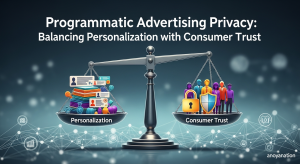
Pro Tip: Stay compliant with privacy laws such as GDPR or CCPA when collecting and using customer data.
4. Design Engaging Creatives
Even with the most accurate targeting and strategy, your campaign’s success hinges heavily on your ad creatives.
- Keep It Visual: Use high-quality, eye-catching images or animations.
- Prioritize Messaging: Ensure your primary message is clear within 2-3 seconds.
- Optimize for Multiple Formats: Design for different platforms and device types (desktop, mobile, etc.).
Test multiple variations of your ads (A/B testing) to determine what resonates best with your audience.
5. Monitor, Optimize, and Scale
A programmatic campaign requires ongoing attention. Use real-time data to monitor performance and make adjustments as needed.
Key metrics to track include:
- CTR (Click-Through Rates)
- Conversion Rates
- Viewability (Percent of the ad that was visible on screen)
- Ad Frequency (to avoid overexposing your audience).
Leverage the DSP’s machine learning algorithms to identify opportunities for further efficiency and performance improvements. Once you’re confident in your results, you can scale the campaign by increasing your budget or expanding your targeting.
Leveraging Programmatic Audio Advertising for Brand Engagement
Programmatic advertising isn’t limited to visuals—it extends into audio, offering brands a unique opportunity to reach users in moments when they are highly attentive. Programmatic audio advertising automates the buying of audio ad inventory across streaming services, podcasts, smart speakers, and music apps. These platforms allow marketers to target listeners by demographics, listening habits, or even time of day, ensuring their message reaches the right audience in contextually relevant moments.
Key Benefits of Programmatic Audio:
- High Engagement: Audio often reaches users during activities like commuting, exercising, or relaxing, when they are focused and receptive.
- Precise Targeting: Use first-party and third-party data to reach audiences based on interests, geolocation, and device usage.
- Scalable Reach: Access multiple audio platforms from a single DSP interface, optimizing costs and audience coverage.
Programmatic Audio Advertising :
| Feature | Function | Example Application |
|---|---|---|
| Dynamic Audio Insertion | Automatically inserts relevant ads in real-time | Podcast ad slots tailored to listener age group |
| Frequency & Context Control | Ensures listeners are not oversaturated | Limit ad plays to 3 per user per day |
| Audience Segmentation | Target based on behavior or interests | Ads for fitness apps delivered to gym listeners |
| Real-Time Analytics | Measure engagement and completion rates | Track how many users listened to full ad |
Programmatic audio is particularly effective for brands looking to create memorable, high-impact campaigns in a distraction-free environment.
Programmatic Advertising Across Omnichannel Campaigns
A modern advertising strategy requires more than single-channel campaigns. Programmatic advertising enables marketers to manage omnichannel campaigns that unify messaging across display, social, video, mobile, CTV, and even audio. This approach ensures brand consistency, increases reach, and drives better conversions by engaging users at multiple touchpoints.
Key Steps to Build Omnichannel Programmatic Campaigns:
- Map the Customer Journey: Identify how your target audience interacts with different channels.
- Unify Messaging: Create consistent creative assets tailored to each platform format.
- Allocate Budgets Strategically: Distribute spend based on historical performance and predicted ROI.
- Measure Holistically: Track metrics across channels to see which combinations drive the highest impact.
Omnichannel Campaign Planning :
| Channel | Purpose | Metrics to Track | Example Application |
|---|---|---|---|
| Display Ads | Brand awareness | Impressions, CTR | Retargeting website visitors |
| Social Ads | Engagement & traffic | Clicks, shares, video completion | Instagram carousel ads |
| Video Ads | Storytelling & retention | Completion rate, view-through rate | YouTube TrueView ads |
| Programmatic CTV | Premium audience targeting | Viewership, verified impressions | Ad on OTT streaming during sports |
| Audio Ads | Immersive engagement | Completion, listening time | Podcast sponsorship |
Omnichannel programmatic campaigns allow advertisers to deliver a seamless, connected experience, reinforcing messaging while reducing wasted spend.
AI-Driven Insights in Programmatic Advertising
Artificial Intelligence (AI) has become an indispensable part of programmatic advertising, enabling smarter decision-making, predictive targeting, and campaign optimization. AI algorithms analyze vast datasets to uncover patterns and automatically adjust campaigns for optimal results. This ensures advertisers are targeting the right users, at the right time, with the most relevant message.
How AI Enhances Programmatic Advertising:
- Predictive Targeting: AI identifies users most likely to convert, optimizing ad placements.
- Automated Bidding: AI adjusts bids in real-time to maximize ROI and minimize wasted spend.
- Creative Optimization: Machine learning tests multiple creative variations and highlights top performers.
- Fraud Detection: AI algorithms detect bot traffic and fraudulent impressions before they affect campaigns.
AI-Driven Programmatic Insights :
| AI Feature | Function | Example Application |
|---|---|---|
| Predictive Targeting | Identify high-intent users | Show travel deals to frequent airline app users |
| Real-Time Bidding Automation | Adjust bids based on performance predictions | Increase bids for high-converting segments |
| Creative Performance Analysis | Identify most engaging creatives automatically | Test multiple banner designs on DSP |
| Fraud Detection | Filter out invalid traffic | Detect and block bot clicks in milliseconds |
By leveraging AI, advertisers can maximize efficiency and ROI, while reducing human error and optimizing campaigns at scale.
How to Avoid Common Pitfalls
When getting started with programmatic advertising, keep these challenges in mind:
- Ad Fraud: Use pre-vetted ad exchanges and implement fraud detection tools to ensure your ad dollars aren’t wasted.
- Low-Quality Inventory: Select premium publishers to ensure your ad shows up in quality environments.
- Over-Targeting: While hyper-targeting can be effective, overly narrow segments may lead to higher costs or limited impressions.
By staying proactive and adaptable, you’ll avoid many roadblocks.
Is Programmatic Advertising Right for You?
Programmatic advertising may be a powerful device; however, it may not be healthy for every business. It’s most effective for agencies with established digital marketing strategies and the assets to invest in fact series and evaluation. For smaller corporations or beginners, it can nonetheless be treasured, however may require partnering with a company that specializes of programmatic campaigns to start robust.
Take the First Step Toward Smarter Advertising
Programmatic advertising is not just a trend; This is the future of digital marketing. By taking advantage of automation, real-time data, and accurate targeting, this strategy ensures efficiency and adapted returns for your advertising expenses.
Whether you start with scratches or want to refine your campaigns, the benefits of programming are obvious. By defining your goals, start choosing the right tools and designing impressively creative. From there, see that this innovative approach changes access, commitment, and results.
Are you ready to jump? Begin small, test often, and learn as you walk. Your smart advertising strategy begins today!
FAQs: Programmatic Advertising
1. What is programmatic advertising?
Programmatic advertising is the automated buying and selling of digital ad space using software and algorithms to target audiences in real-time. It ensures precise audience reach and efficient ad spend.
2. How does programmatic advertising differ from traditional media buying?
Unlike traditional media buying, which involves manual negotiations, programmatic advertising uses real-time auctions, AI, and data-driven targeting for faster, scalable, and optimized campaigns.
3. What platforms are used for programmatic advertising?
The main platforms are Demand-Side Platforms (DSPs) for advertisers, Supply-Side Platforms (SSPs) for publishers, and ad exchanges that connect buyers and sellers in real-time.
4. Can programmatic advertising work for audio and TV?
Yes! Programmatic audio advertising reaches users via podcasts, streaming apps, and smart speakers. Programmatic TV advertising allows ad placement across CTV and OTT platforms with measurable ROI and verified impressions.
5. How can AI improve programmatic advertising campaigns?
AI enables predictive targeting, automated bidding, creative optimization, and fraud detection, helping advertisers maximize ROI and reach high-intent audiences efficiently.
6. What metrics should I track in programmatic campaigns?
Key metrics include CTR (Click-Through Rate), conversion rate, viewability, frequency, cost per acquisition (CPA), and engagement across channels (display, video, audio, CTV).
7. How do I avoid ad fraud in programmatic advertising?
Use pre-vetted ad exchanges, implement fraud detection tools, and verify impressions with analytics platforms. AI-driven solutions can filter out bots and invalid traffic in real-time.
8. Is programmatic advertising suitable for small businesses?
Yes, small businesses can benefit, especially when partnering with agencies or using beginner-friendly DSPs. Start small, test campaigns, and scale gradually based on performance.
9. How does data privacy affect programmatic advertising?
Compliance with GDPR, CCPA, and other privacy regulations is critical. Using anonymized, consent-based data ensures lawful targeting while maintaining user trust.
10. What are some advanced strategies in programmatic advertising?
Advanced strategies include programmatic audio ads, omnichannel campaigns, AI-driven optimizations, and niche applications like cannabis programmatic advertising, targeting highly specific audiences with personalized messaging.
Learn more…New to the concept of automated ad buying? Don’t miss our full breakdown on How Cannabis Programmatic Advertising is Changing the Game