Programmatic Advertising for Connected Cars: Strategies for Better Audience Engagement
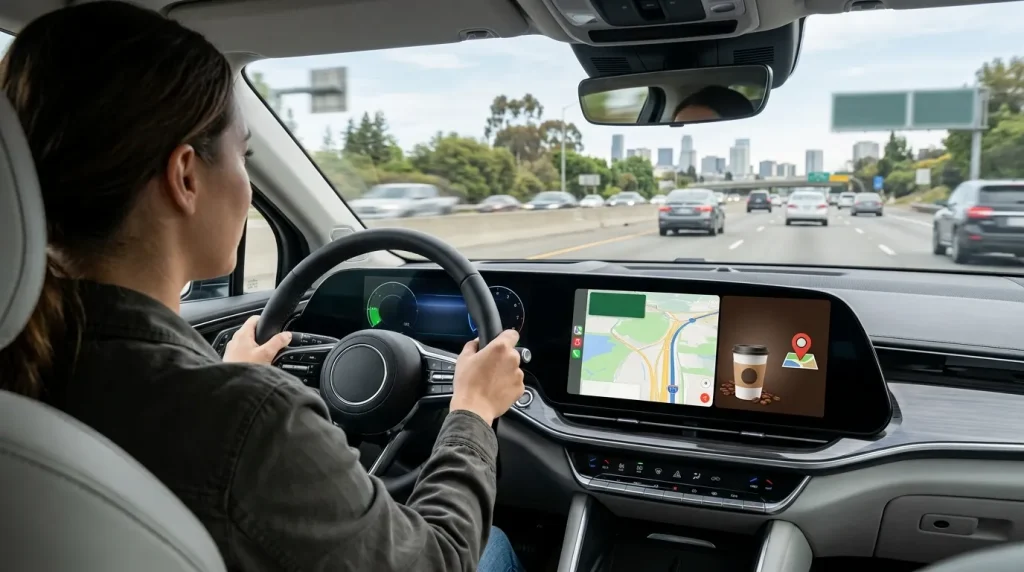
The digital revolution inside the modern vehicle has created an entirely new ecosystem for marketers. Programmatic advertising for connected cars represents the ultimate frontier in mobility marketing, transforming static dashboards into dynamic, real-time communication channels that actively engage drivers and passengers during their daily commutes.
This comprehensive guide explores the mechanics, technologies, and actionable tactics behind programmatic advertising for connected cars. You will learn how to leverage precise geolocation data, integrate in-dash audio formats, navigate complex privacy regulations, and implement advanced measurement models to maximize your return on ad spend and secure deep, meaningful audience engagement on the road.
The Evolution of Programmatic Advertising for Connected Cars
The automotive industry has experienced a massive paradigm shift over the last decade. Historically, reaching drivers meant purchasing broad, untargeted terrestrial radio spots or investing in static, generalized out-of-home (OOH) billboard placements. Advertisers had virtually no way to guarantee who heard their message, where they were driving, or if the advertisement resulted in a direct physical action. Today, the rapid integration of high-speed internet connectivity, advanced telematics, and digital smart dashboards has fundamentally altered this reality. Programmatic advertising for connected cars effectively transforms the vehicle into a highly sophisticated, mobile Internet of Things (IoT) device capable of rendering dynamic, contextually relevant media in real-time.
As original equipment manufacturers (OEMs) like Ford, General Motors, and Tesla build increasingly intelligent infotainment systems, the vehicle’s cabin has evolved into a lucrative digital marketplace. These modern infotainment centers support streaming audio platforms, interactive navigation systems, and even passenger-side video displays, all of which connect directly to global advertising exchanges. This infrastructure allows media buyers to bid on ad inventory based on hyper-specific targeting parameters, utilizing the same demand-side platforms (DSPs) they use for desktop and mobile campaigns. The transition from legacy radio to internet-enabled in-car media represents a monumental leap forward, giving brands the unprecedented ability to reach consumers precisely when they possess high purchase intent, such as when they are actively driving toward a retail destination.
Furthermore, this evolution seamlessly aligns with broader digital transformation initiatives sweeping across enterprise marketing departments. Brands no longer view the car as an isolated offline environment. Instead, the connected vehicle operates as a critical node within a unified omnichannel ecosystem. By continuously feeding real-time vehicle telemetry data into centralized marketing platforms, advertisers can orchestrate deeply synchronized campaigns that follow the consumer from their morning commute to their office desktop, and finally to their mobile device. This fluid, cross-device continuity ensures that the brand narrative remains consistent, vastly improving recall rates and significantly accelerating the consumer’s journey down the modern purchasing funnel.
How Connected Vehicle Data Powers Precision Targeting
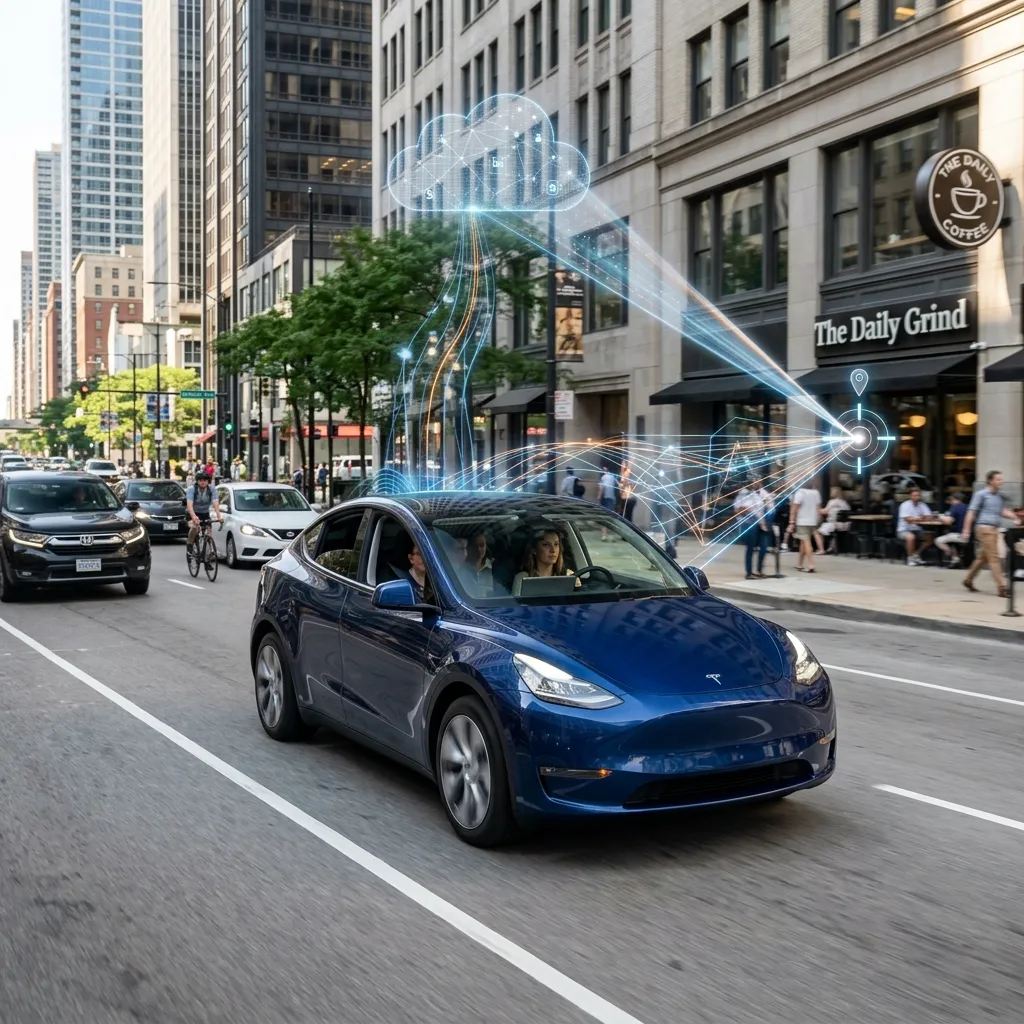
At the very core of this revolutionary marketing channel lies the profound power of vehicular data. Programmatic advertising for connected cars thrives on the continuous stream of deterministic data generated by modern automobiles. Unlike standard mobile phone location data, which can occasionally be inaccurate or obscured by privacy blockers, connected cars generate highly precise, multi-layered telemetry. Telematics control units (TCUs) embedded within the vehicle transmit vital information regarding GPS coordinates, route trajectories, current vehicle speed, and even real-time weather conditions acting upon the car’s exterior. Marketers harness this wealth of environmental and spatial data to craft hyper-contextual campaigns that resonate intimately with the driver’s immediate reality.
Consider the application of precise geolocation and predictive routing. If a vehicle’s navigation system indicates the driver is traversing a major interstate and has been driving continuously for over three hours, the programmatic algorithm instantly recognizes a state of high travel fatigue. An automated bidding sequence occurs in milliseconds, delivering a targeted streaming audio ad for a specific quick-service restaurant located exactly at the next upcoming highway exit. This level of hyper-local, real-time relevancy drastically outperforms traditional mass media because it actively solves an immediate problem for the consumer. Additionally, marketers can leverage external APIs to inject dynamic variables into the creative asset, such as announcing the current wait time at the restaurant’s drive-thru window or offering a time-sensitive digital coupon specifically for that location.
For B2B organizations, this spatial intelligence drives exceptional B2B precision growth. Commercial fleet operators, long-haul trucking companies, and corporate sales representatives spend thousands of hours inside connected vehicles. B2B marketers can utilize specialized firmographic data overlays to identify commercial vehicles and serve highly targeted audio advertisements regarding fleet management software, bulk fuel discounts, or specialized insurance products. By isolating commercial routes and business-hub geofences, B2B advertisers effectively bypass consumer waste, ensuring their high-value messaging reaches decision-makers exactly when they are deeply engaged in their professional operating environment.
Traditional Terrestrial Radio vs. Connected Car Programmatic
| Feature | Traditional Terrestrial Radio | Programmatic Connected Car Ads |
| Audience Targeting | Broad demographic estimates based on geographic regions. | 1:1 precision targeting utilizing deterministic vehicle telemetry. |
| Contextual Delivery | Fixed time slots regardless of driver context or location. | Dynamic delivery based on real-time location, weather, and route. |
| Ad Formats | Pre-recorded, static audio commercials. | Dynamic audio, interactive dash displays, and voice-activated ads. |
| Measurement | Survey-based estimates and lagging diary metrics. | Real-time digital attribution, footfall tracking, and direct ROI. |
| Creative Agility | Weeks to produce and traffic new audio spots. | Instantaneous dynamic creative optimization (DCO) variations. |
Key Ad Formats Dominating the In-Car Experience
Navigating the unique physical environment of the automobile requires marketers to fundamentally rethink their creative formatting. Safety remains the absolute highest priority; therefore, programmatic advertising for connected cars heavily relies on non-distracting, audio-first experiences for the driver, while reserving rich media and visual displays for safe, stationary moments or dedicated passenger screens. Streaming audio advertising currently dominates the connected car ecosystem. As drivers seamlessly integrate their Spotify, Pandora, and Apple Music accounts directly into the vehicle’s native infotainment system, advertisers gain access to premium, logged-in inventory. These audio spots are highly immersive, playing through advanced automotive surround-sound systems, ensuring 100% share of voice during the ad break.
However, the ecosystem is rapidly expanding beyond standard audio. The emergence of the “digital cockpit” has introduced high-resolution, interactive display advertising. To maintain strict safety compliance, these visual ads trigger exclusively when the vehicle’s telematics indicate a “zero-speed” environment. For example, when a driver places the vehicle in park, stops at a prolonged red light, or waits inside a curbside pickup zone, the dashboard screen dynamically populates with a visually rich, clickable advertisement. This format proves exceptionally powerful for electric vehicles (EVs). When an EV driver parks at a public charging station, they experience a captive dwell time ranging from twenty to forty minutes. Advertisers aggressively bid on this inventory, serving long-form video content, interactive product catalogs, and gamified brand experiences directly to the dashboard while the vehicle charges.
Furthermore, the integration of voice-activated assistants like Amazon Alexa, Google Assistant, and proprietary OEM voice systems introduces the era of conversational commerce within the vehicle. Instead of forcing the driver to physically tap a screen, audio advertisements now conclude with interactive voice prompts. A targeted audio ad for a local coffee shop can ask the driver, “Would you like me to route you to the nearest location?” The driver simply replies “Yes,” and the navigation system automatically updates the route. This frictionless, hands-free interaction represents the pinnacle of modern lead generation strategies, completely removing the friction between advertising exposure and physical conversion while keeping the driver’s hands safely on the steering wheel and eyes on the road.
Common Mistakes to Avoid
-
Ignoring Cognitive Load: Designing audio ads with overly complex messaging or requiring the driver to memorize long URLs. In-car messaging must remain concise, highly memorable, and utilize simple voice-activated call-to-actions.
-
Neglecting Zero-Speed Safeguards: Attempting to force visual display ads or video content while the vehicle is in motion. This not only violates OEM safety regulations but instantly creates intense negative brand sentiment among safety-conscious consumers.
-
Broadcasting Generic Creative: Treating connected car inventory exactly like standard desktop banner ads. Failing to utilize dynamic, location-aware creative (e.g., mentioning the specific city or weather condition) completely wastes the unique contextual power of the vehicle.
Integrating In-Car Campaigns with Cross-Channel Ecosystems
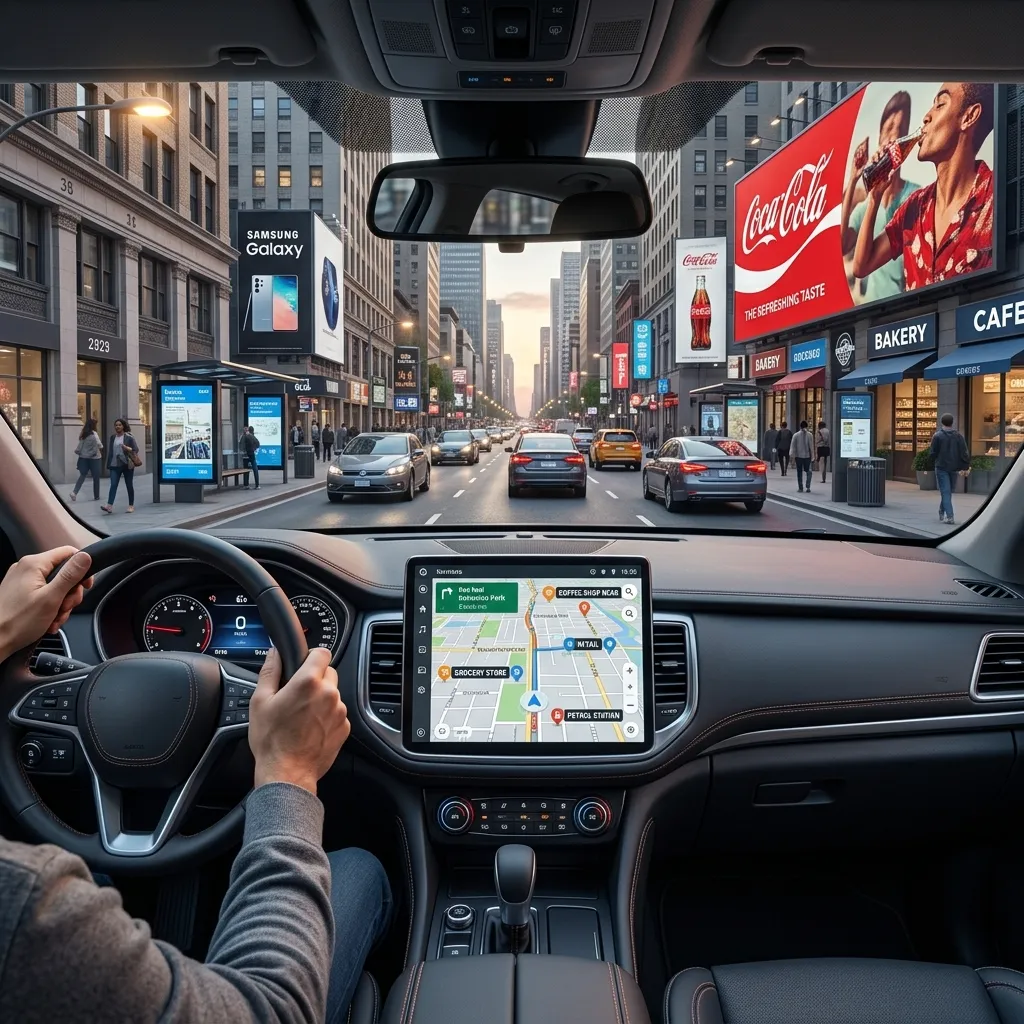
The modern consumer does not exist in a vacuum, and your marketing strategy cannot treat the automobile as an isolated silo. To maximize overall campaign efficacy, programmatic advertising for connected cars must function as a seamlessly integrated component of a broader, data-driven omnichannel ecosystem. Advanced demand-side platforms utilize sophisticated identity resolution technologies to anonymously link a specific vehicle’s infotainment system to the mobile devices of the passengers inside, and subsequently, to the smart TVs and desktop computers located within their primary residence. This deterministic device graphing empowers marketers to orchestrate highly complex, sequential messaging narratives that follow the consumer fluidly across multiple physical and digital environments.
Consider a retail brand launching a new flagship store. The campaign initiates with a programmatic digital out-of-home (DOOH) billboard ad displayed on a busy highway. As the connected vehicle physically passes the geofenced billboard, the campaign simultaneously triggers a synchronized, in-dash audio ad reinforcing the billboard’s visual message. If the driver does not immediately alter their route to visit the store, the identity graph captures the mobile device ID associated with that vehicle. Later that evening, when the consumer relaxes at home, they receive a targeted display ad on their tablet offering a specific discount code for the exact retail location they drove past earlier in the day. This multi-touch, surround-sound strategy dramatically increases brand recall and heavily influences final purchasing decisions.
To manage the massive influx of data generated by these cross-channel interactions, enterprise organizations must deploy robust backend infrastructures. When a B2B prospect interacts with an in-car voice ad requesting a product whitepaper to be sent to their corporate email, that action triggers a complex data cascade. Companies utilize advanced Intelligent Document Processing and sophisticated CRM data entry automation to instantly capture, verify, and route the audio-transcribed lead directly into the sales pipeline without any manual human intervention. This instantaneous data orchestration ensures that sales representatives can follow up with the prospect within minutes of their commute, leveraging the momentum of the in-car experience to secure high-value enterprise meetings and aggressively accelerate the B2B sales cycle.
Overcoming Privacy Challenges and Regulatory Compliance
As vehicles transform into highly sophisticated data-gathering machines, the automotive advertising industry faces intense scrutiny regarding consumer privacy and data security. Programmatic advertising for connected cars relies on capturing precise, real-time location data, which global regulatory bodies classify as highly sensitive personally identifiable information (PII). Navigating the complex frameworks of the California Consumer Privacy Act (CCPA), the European Union’s General Data Protection Regulation (GDPR), and emerging state-level privacy mandates requires marketers and OEMs to establish bulletproof data governance protocols. Failing to respect driver privacy not only incurs devastating financial penalties but also irrevocably destroys brand trust.
To achieve strict regulatory compliance, the industry has universally adopted a privacy-by-design architecture. Modern connected vehicles operate on strict opt-in frameworks. Before any telemetry data leaves the vehicle’s internal network to inform programmatic ad exchanges, the driver must explicitly grant affirmative consent through the dashboard’s user interface. Furthermore, OEMs heavily obfuscate and anonymize the data before it reaches the open market. Instead of transmitting a specific Vehicle Identification Number (VIN) or personal driver profile, the systems aggregate data into anonymized, cryptographic cohorts. For example, an advertiser bids on “suburban commuters traveling northbound in heavy rain,” rather than bidding on “John Doe driving his 2024 SUV.” This cohort-based targeting perfectly preserves the contextual power of the advertising while entirely shielding the individual’s exact identity from the demand-side platform.
Additionally, forward-thinking brands leverage secure data clean rooms to execute highly targeted campaigns without exposing sensitive first-party customer data. A brand can securely upload its encrypted customer loyalty database into a neutral clean room environment, where it matches against the OEM’s encrypted connected car audience graph. This secure intersection allows the brand to serve targeted in-dash audio ads exclusively to their existing loyalty members while they are driving, without either party ever exchanging raw, unencrypted data files. By prioritizing transparent consent management and cryptographic security, the connected car advertising ecosystem ensures long-term viability and fosters a trustworthy environment for both drivers and major brand advertisers.
Pro Tips & Expert Insights
-
Prioritize Context Over Identity: Focus your bidding strategies on highly relevant environmental triggers (e.g., bidding heavily when the vehicle’s windshield wipers are active to promote tire safety products) rather than obsessing over hyper-specific individual identity matching.
-
Leverage Dayparting Aggressively: Commuter psychology drastically shifts throughout the day. Serve fast-paced, actionable audio ads during the morning rush hour to capitalize on high energy, and pivot to longer-form, deeply narrative brand storytelling during the relaxed evening commute home.
-
Monitor App-Specific Inventory: Understand that different in-dash applications yield different engagement rates. Ads served natively through the vehicle’s proprietary navigation system often command higher attention than ads served through third-party aggregated podcast applications running in the background.
Measuring Success: Analytics, KPIs, and Attribution Models
The historical inability to accurately measure the return on investment for drive-time terrestrial radio has long frustrated performance-driven marketers. However, programmatic advertising for connected cars definitively solves this attribution crisis by introducing closed-loop, deterministic measurement frameworks. Because connected vehicles constantly ping cellular towers and GPS satellites, advertisers can precisely track the physical journey of a vehicle following an advertising exposure. This deterministic tracking empowers brands to measure highly tangible business outcomes, shifting the conversation away from vague estimates of “reach and frequency” toward hard, undeniable metrics of actual revenue generation and physical foot traffic.
Footfall attribution stands as the gold standard for measuring in-car advertising success. By establishing a virtual geofence around a brick-and-mortar retail location, marketers can definitively track how many vehicles physically entered the store’s parking lot within a specific attribution window after being exposed to the in-dash ad. Furthermore, advanced marketing analytics platforms correlate this physical visitation data with digital conversion metrics, such as the redemption of mobile coupon codes broadcasted during the audio ad. This holistic data fusion allows media buyers to calculate an exact Return on Ad Spend (ROAS) for their automotive campaigns, proving to executive leadership that connected car advertising directly drives verifiable, bottom-line business growth.
To maintain a competitive edge, elite marketing teams continuously benchmark their in-car campaign performance against their broader digital efforts. They analyze which specific routes, times of day, and weather conditions drive the highest conversion rates, feeding these insights back into their programmatic algorithms for continuous, real-time optimization. Marketers may even cross-reference these engagement spikes with external SEO performance metrics via platforms like Dinggi Rank to determine if a massive in-car audio campaign generated a corresponding surge in organic brand search volume on mobile devices. By aggressively measuring, testing, and refining these closed-loop attribution models, brands unlock the full, highly lucrative potential of the connected vehicle ecosystem, transforming every daily commute into a highly measurable, conversion-focused consumer journey.
Future Innovations Shaping the Connected Car Ecosystem
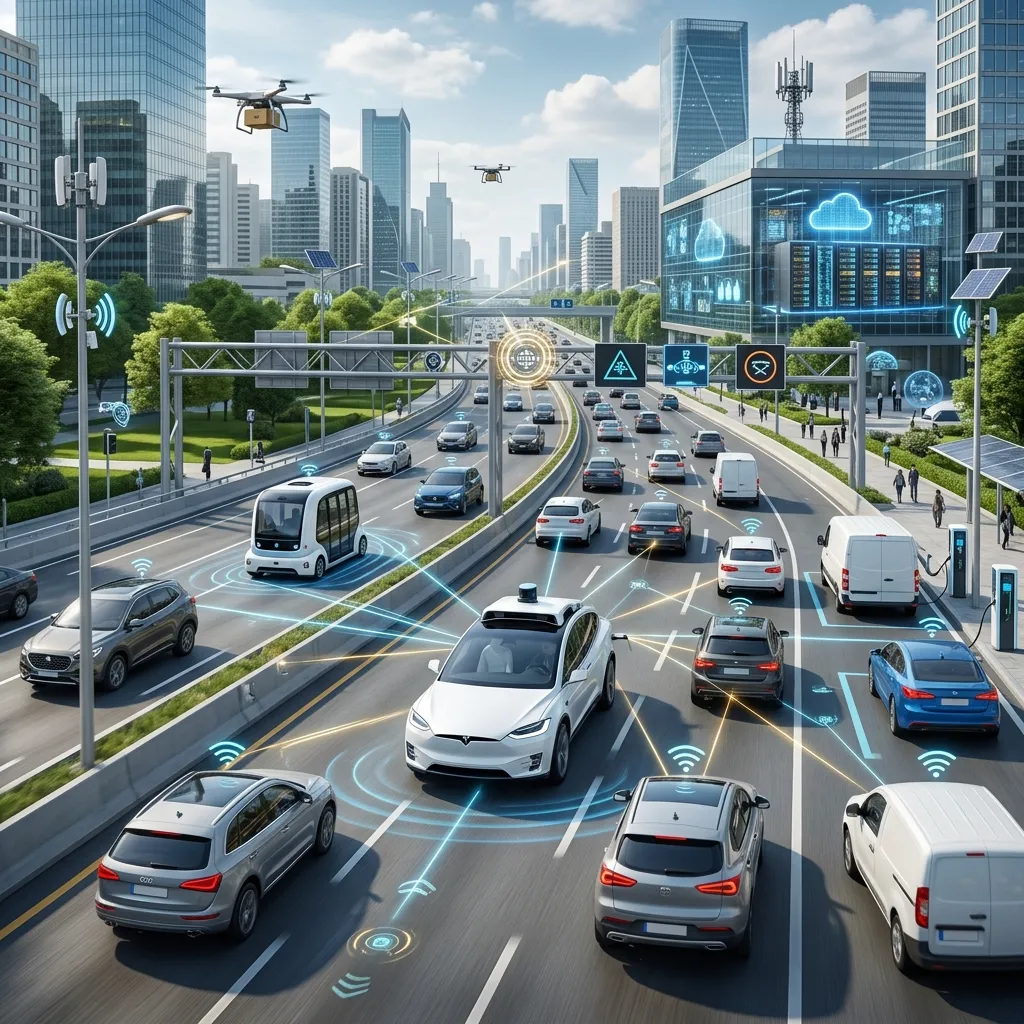
The landscape of programmatic advertising for connected cars remains in a state of rapid, continuous evolution. As telecommunication networks deploy robust 5G infrastructure globally, the latency constraints that previously hindered complex media delivery within rapidly moving vehicles will completely disappear. This massive bandwidth expansion paves the way for augmented reality (AR) advertising integrated directly into the vehicle’s smart windshield via heads-up displays (HUDs). In the near future, a driver looking through the windshield might see a subtly illuminated, augmented digital sign hovering over a physical retail location, highlighting a personalized, real-time promotion without ever requiring the driver to divert their eyes from the physical road ahead.
Furthermore, the relentless march toward fully autonomous, self-driving vehicles will fundamentally reinvent the in-car advertising paradigm. Once human drivers are permanently relieved of their operational duties, they transition entirely into a captive passenger audience. The vehicle’s cabin will transform into a mobile entertainment lounge, drastically increasing total dwell time and screen attention. Advertisers will transition from audio-first constraints to highly immersive, long-form video content, interactive virtual reality experiences, and full-screen digital commerce interfaces. The brands that aggressively master the data-driven mechanics of programmatic advertising for connected cars today will possess the foundational infrastructure and historical audience intelligence required to absolutely dominate the fully autonomous, hyper-connected mobility landscape of tomorrow.
By continuously exploring innovative data partnerships, respecting consumer privacy frameworks, and demanding rigorous, closed-loop attribution, enterprise marketing organizations can successfully harness the profound power of the connected automobile. The dashboard is no longer just a speedometer and a radio dial; it is a highly intelligent, intensely personal, and incredibly lucrative digital canvas awaiting your strategic command.
Conclusion
Mastering programmatic advertising for connected cars is essential for modern brands seeking to capture consumer attention in a highly fragmented digital landscape. By leveraging precise vehicle telemetry, hyper-local geolocation data, and engaging, safety-compliant ad formats, marketers can deliver perfectly timed, contextually brilliant messaging directly to the dashboard. Embrace these advanced, data-driven strategies today to bridge the gap between digital intent and physical action, ensuring your brand remains relentlessly competitive and deeply relevant throughout the modern consumer’s daily journey.
FAQs
1. What exactly is programmatic advertising for connected cars?
Programmatic advertising for connected cars is the automated buying and selling of digital ad inventory—such as streaming audio, in-dash display ads, and voice-activated prompts—delivered directly to a vehicle’s internet-enabled infotainment system based on real-time data and precise targeting parameters.
2. How does geolocation targeting work in a moving vehicle?
Connected cars use built-in GPS and telematics control units to constantly track their location. Advertisers use this real-time spatial data to establish virtual geofences, allowing them to serve highly relevant ads (e.g., for a nearby restaurant or gas station) precisely when the vehicle enters a specific physical radius.
3. Are visual display ads safe to show while driving?
No. To adhere to strict automotive safety standards and OEM regulations, visual display ads and rich media are only served during “zero-speed” moments. This means the screen will only display visual ads when the car is safely parked, idling at a prolonged stoplight, or stopped at an EV charging station.
4. How do advertisers measure the success of an in-car campaign?
Success is primarily measured through closed-loop attribution models like footfall analysis. Marketers track if a vehicle (or the synced mobile device of the driver) physically visits a geofenced retail location after hearing the ad. They also track voice-command activations and the redemption of specific promo codes mentioned in the ad.
5. Does connected car advertising violate driver privacy?
Legitimate programmatic platforms operate strictly within privacy frameworks like GDPR and CCPA. They rely on explicit driver opt-in consent and utilize data clean rooms to anonymize telemetry. Advertisers bid on aggregated, cryptographic audience cohorts rather than tracking specific, personally identifiable individuals.
6. What role does streaming audio play in this ecosystem?
Streaming audio (via native apps like Spotify or Pandora integrated into the dash) is the dominant format because it is 100% eyes-free and highly engaging. It provides a safe, immersive brand experience that seamlessly integrates into the driver’s chosen entertainment without causing dangerous cognitive distraction.
7. How does weather data influence connected car ads?
Because connected cars have exterior sensors and internet connectivity, advertisers can programmatically trigger specific creatives based on real-time weather. For example, a wiper blade manufacturer or a coffee shop can automatically increase their ad bids and change their audio messaging the exact moment the car’s sensors detect heavy rain.
8. Can B2B companies benefit from in-car advertising?
Absolutely. B2B marketers can use firmographic overlays to identify commercial fleet vehicles or specific commuter routes popular with corporate executives. They can then deliver highly targeted audio ads for enterprise software, commercial insurance, or fleet management tools directly to a captive professional audience.
9. How do voice assistants change the in-car ad experience?
Integrations with AI voice assistants allow for “conversational commerce.” Instead of a passive ad, a driver can actively respond to an audio prompt using their voice to request a coupon, change their navigation route to visit a store, or request a B2B whitepaper, ensuring a frictionless, hands-free conversion.
10. How will autonomous vehicles impact this advertising channel?
As self-driving cars become mainstream, the driver becomes a passenger, completely removing the need for eyes-on-the-road safety constraints. This will unlock massive opportunities for highly immersive, long-form video ads, interactive augmented reality displays, and full-screen digital storefronts directly within the vehicle’s cabin.