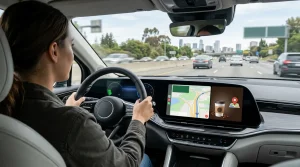
Crafting an Omnichannel Programmatic Advertising Strategy: Best Practices for 2026
Omnichannel programmatic advertising uses unified data, centralized bidding, and consistent creative delivery to engage consumers across multiple digital touchpoints such as display, mobile, CTV, DOOH, audio, and social. Unlike siloed multichannel campaigns, it connects all channels under one strategic framework, enabling coordinated messaging, smarter budget allocation, and more accurate measurement.
In today’s digital landscape, consumers interact with brands across multiple touchpoints, from social media feeds to connected TVs and in-app experiences. Crafting an effective programmatic advertising strategy that spans these channels—an omnichannel approach—can be the key to delivering consistent messaging, optimizing ad spend, and maximizing ROI. Unlike siloed campaigns that treat each channel independently, an omnichannel programmatic strategy leverages unified data, centralized bidding, and cohesive creative workflows to seamlessly engage audiences wherever they are. This guide explores the fundamentals, best practices, essential tools, and real-world case studies you need to build and scale successful omnichannel programmatic advertising campaigns in 2024.
Understanding Omnichannel Programmatic Advertising
Omnichannel programmatic advertising refers to the process of buying and optimizing digital ad inventory across multiple channels in real time, unified under a single strategic framework. These channels may include desktop and mobile display, social media, connected television (CTV), digital out-of-home (DOOH), audio streaming, and more. By centralizing data collection and bid management within a demand-side platform (DSP), advertisers ensure that each channel contributes to a coherent user journey. This approach not only streamlines campaign setup but also enables more intelligent budget allocation based on real-time performance insights.
Key Benefits of an Omnichannel Approach
- Consistent Brand Experience: Deliver uniform messaging and design elements across channels to reinforce brand identity and build trust at every touchpoint.
- Enhanced ROI and Efficiency: Leverage unified bidding algorithms to shift budget dynamically toward the best-performing channels, reducing wasted ad spend.
- Holistic Customer Insights: Aggregate data from multiple sources to gain a 360° view of audience behavior, powering more accurate targeting and personalization.
- Improved Attribution Accuracy: Employ advanced multi-touch attribution models to understand true campaign impact across the entire funnel.
Building Your Omnichannel Strategy
1. Audience Segmentation and Data Integration
Begin by unifying first-party, second-party, and third-party data within a data management platform (DMP) or customer data platform (CDP). Create granular audience segments based on demographics, behaviors, and purchase intent. This unified data layer allows you to apply consistent targeting criteria across channels and dynamically refine segments in real time.
2. Channel Selection and Budget Allocation
Conduct a channel audit to identify where your key audiences are most active. Assign a budget based on historical performance metrics and desired conversion paths. Use an algorithmic budget allocation model in your DSP to automatically reallocate funds toward high-performing touchpoints and away from underperforming ones.
3. Creative Consistency Across Channels
Develop a centralized creative strategy that adapts core messaging and visuals to meet the technical specifications of each channel. Implement dynamic creative optimization (DCO) to personalize assets for different audience segments while maintaining a cohesive brand voice and aesthetic.
4. Real-Time Data Orchestration
Leverage a unified tech stack that supports real-time data ingestion, cross-device identity resolution, and programmatic bidding. This orchestration layer ensures that every bid opportunity is informed by the latest engagement data, enhancing both efficiency and relevance.
Essential Tools and Platforms
An effective omnichannel programmatic strategy relies on a robust ecosystem of technologies. Key components include:
- Demand-Side Platforms (DSPs): Platforms like The Trade Desk, MediaMath, and Google Display & Video 360 for real-time bidding across channels.
- Data Management Platforms (DMPs) and Customer Data Platforms (CDPs): Tools such as Segment, Tealium, or Adobe Experience Platform for unified audience data.
- Ad Servers and Verification Tools: Solutions like DoubleVerify and Integral Ad Science to ensure ad quality and prevent fraud.
- Analytics and Attribution Software: Platforms such as Google Analytics 360, Adjust, or Kochava for cross-channel measurement and optimization.
Integrating these tools through pre-built connectors or open APIs reduces complexity and data silos, enabling a seamless data flow across the stack.
The Evolution of Programmatic Advertising
Programmatic advertising has advanced far beyond early real-time bidding models, transforming into a sophisticated ecosystem that leverages automation, machine learning, and cross-device identity resolution to deliver highly relevant ads at scale. Initially, programmatic focused mainly on desktop display banner buying, but today it encompasses a vast range of formats, including CTV, DOOH, audio, mobile in-app, and social inventory. This expansion has been driven by the increasing availability of first-party data, the decline of third-party cookies, and the widespread adoption of advanced DSPs with predictive algorithms. Modern programmatic strategies no longer operate in silos; instead, they are built around unified data frameworks that treat the customer journey as an interconnected path across devices and environments. As a result, brands can deliver more sophisticated sequencing, optimize frequency holistically, and maintain cohesive messaging from awareness to conversion. Understanding this evolution helps marketers appreciate why omnichannel execution is now a competitive necessity rather than a luxury.
The Role of Identity and Privacy in Omnichannel Success
Identity resolution has become one of the most influential components of omnichannel programmatic advertising. As cookies fade and privacy regulations tighten, marketers must rely on durable identifiers, consent-based customer data, and clean room environments to maintain accurate targeting without violating compliance standards. Effective identity solutions ensure that each user is recognized across mobile apps, smart TVs, websites, and offline interactions, enabling consistent storytelling and frequency management. However, this process requires a robust privacy framework that includes transparent consent collection, secure data transmission, and compliance with global laws such as GDPR, CCPA, and new state-level privacy regulations. Clean rooms allow advertisers and publishers to match datasets without revealing personally identifiable information, preserving targeting precision while protecting consumer anonymity. By integrating privacy-first identity infrastructure, brands build trust with consumers and regulators while gaining the stability needed for long-term omnichannel execution.
Advanced Targeting and Predictive Audience Modeling

Beyond basic demographic segmentation, modern omnichannel campaigns use advanced predictive models to uncover high-value audiences based on their behavioral patterns, purchase intent, contextual environments, and lifetime value probability. Machine learning tools within DSPs continuously evaluate signals such as dwell time, content affinity, device usage, and past engagement to determine which impressions are most likely to drive outcomes. This enables the creation of granular micro-segments, lookalike models, and dynamic retargeting pools that adapt in real time. Predictive audience modeling also helps advertisers anticipate future behavior rather than simply reacting to historical trends. For example, algorithms can identify users who show early indicators of churn, repeat purchase likelihood, or product-category intent. By deploying these insights across all channels simultaneously, brands amplify relevance and improve media efficiency, ensuring that each impression contributes meaningfully to the overall customer journey.
Cross-Channel Creative Personalization Framework
Creative personalization sits at the heart of effective omnichannel strategies, but scaling it requires a structured framework that balances automation with strategic control. Dynamic creative optimization (DCO) allows marketers to serve highly customized messages based on audience segment, location, device type, intent signals, and contextual cues. However, true omnichannel personalization goes deeper than swapping headlines or images. It involves building a creative narrative architecture that adapts to each stage of the journey—introductory messages on CTV, consideration-phase offers on display, and conversion-oriented CTAs on social or in-app placements. This framework ensures visual consistency while allowing variation where it matters most. Long-form assets like video can be repurposed into shorter mobile-friendly versions, while static banners can become interactive units tailored to user behavior. With centralized asset libraries and real-time creative analytics, brands can iterate quickly, maintain brand integrity, and continuously refine messaging for higher engagement across every digital environment.
Unified Measurement and Incrementality Testing
Accurate measurement is the backbone of any omnichannel programmatic initiative, and achieving it requires unified analytics combined with rigorous incrementality testing. Traditional single-channel attribution models often misrepresent the true impact of top-of-funnel channels like CTV or DOOH. To solve this, modern advertisers use multi-touch attribution, media mix modeling, and incremental lift tests to understand how each touchpoint influences conversions. Incrementality testing—comparing exposed vs. control audiences—provides concrete evidence of whether a channel is driving new outcomes or merely capturing existing demand. By integrating measurement tools across the DSP, analytics platforms, and offline conversion systems, marketers can visualize the entire user journey in one dashboard. This holistic view enables better budget allocation, faster decision-making, and more accurate forecasting. Ultimately, unified measurement transforms omnichannel campaigns from guesswork into a scientifically optimized growth engine.
Case Studies: Success in Action
Case Study 1: Retail Brand Boosts Conversions
A national clothing retailer implemented an omnichannel programmatic campaign across display, CTV, and social channels. By unifying first-party purchase data with programmatic targeting parameters, they achieved a 35% increase in conversion rate and a 20% reduction in cost-per-acquisition (CPA) within three months.
Case Study 2: B2B SaaS Provider Increases Engagement
A B2B software company leveraged intent data combined with IP-based targeting to reach decision-makers on LinkedIn, programmatic display, and industry podcasts. The campaign drove a 50% uplift in marketing qualified leads (MQLs) and improved lead quality by 30%, demonstrating the power of a cohesive cross-channel approach.
Measurement, Analytics, and Optimization

Continuous measurement is critical for an omnichannel programmatic strategy. Establish clear key performance indicators (KPIs) such as view-through rate (VTR), click-through rate (CTR), and return on ad spend (ROAS). Employ multi-touch attribution models to accurately credit each channel’s contribution to conversions. Regularly analyze engagement metrics and feed insights back into your DSP’s targeting algorithms to optimize bids, audiences, and creatives in real time.
Overcoming Common Challenges
While omnichannel programmatic advertising offers significant advantages, it also presents challenges such as data silos, privacy compliance, and technical integration hurdles. To address these issues:
- Implement a centralized data governance framework to ensure compliance with GDPR, CCPA, and emerging privacy regulations.
- Leverage server-to-server integrations and cloud data warehouses to break down silos between marketing platforms.
- Invest in cross-device identity solutions and clean room technologies to maintain targeting precision without compromising user privacy.
Conclusion
Omnichannel programmatic advertising represents the next evolution of digital marketing, enabling brands to deliver seamless and personalized experiences across every digital touchpoint. By unifying data, maintaining creative consistency, and adopting a real-time bidding approach, marketers can drive higher ROI and deeper customer engagement. Use the best practices and tools outlined in this guide to craft a resilient omnichannel strategy that adapts and scales as consumer behaviors and technologies continue to evolve.
Frequently Asked Questions (FAQ)
1. What is omnichannel programmatic advertising?
Omnichannel programmatic advertising is the automated buying and optimization of digital ad inventory across multiple channels—including display, mobile, CTV, social, audio, and DOOH—within a unified strategy. It ensures consistent messaging, coordinated bidding, and centralized data management across all touchpoints.
2. How is omnichannel different from multichannel advertising?
Multichannel campaigns operate each channel independently, often with separate data, budgets, and creative assets. Omnichannel campaigns unify these elements under one framework, delivering cohesive experiences and enabling smarter, real-time optimization across the entire journey.
3. What are the main benefits of an omnichannel programmatic approach?
Key benefits include consistent brand presence, higher ROI through algorithmic budget allocation, richer customer insights from unified data, and more accurate attribution across touchpoints.
4. What data do I need to run an effective omnichannel campaign?
You will need first-party data (CRM, website interactions), second-party partner data, and third-party audience data. When combined in a DMP or CDP, this enables precise segmentation and consistent targeting across all channels.
5. Which channels can be included in an omnichannel programmatic strategy?
Channels commonly include desktop and mobile display, social media, connected TV (CTV), digital out-of-home (DOOH), audio streaming, in-app ads, and native formats. The mix should be guided by where your audience spends time.
6. What tools or platforms are required?
Typical omnichannel tech stacks include a demand-side platform (DSP), a DMP or CDP for audience data, ad verification tools for brand safety and fraud prevention, and analytics/attribution platforms for cross-channel measurement.
7. How important is creative consistency?
Creative consistency is crucial because unified messaging reinforces brand recognition and trust across touchpoints. Dynamic creative optimization (DCO) can personalize assets without losing a cohesive look and feel.
8. How do I measure the success of an omnichannel campaign?
Success is typically measured through KPIs such as CTR, VTR, CPA, ROAS, and lift in conversions or engagement. Multi-touch attribution models help determine how each channel contributes to the overall results.
9. What challenges do marketers face with omnichannel programmatic?
Common challenges include data silos, privacy and compliance requirements, technical integration across platforms, and maintaining identity resolution across devices. Solutions involve strong data governance, server-to-server integrations, and clean room technologies.
10. How does real-time optimization work?
Real-time optimization uses continuously updated performance and engagement data to adjust bids, shift budget between channels, refresh creatives, and refine audience segments through the DSP, ensuring maximum efficiency and relevance.
11. Is an omnichannel strategy suitable for both B2C and B2B brands?
Yes. Retailers, D2C brands, and entertainment companies see strong value from consumer-focused touchpoints like CTV and social. B2B brands benefit from coordinated campaigns across display, LinkedIn, audio, and IP-based targeting.
12. How long does it take to see results?
Early improvements in engagement and efficiency can appear within weeks, while full performance gains—such as improved ROAS or reduced CPA—typically become clear within one to three months, depending on campaign size and optimization cycles.