Programmatic Advertising for Affiliate Programs: A Beginner’s Guide

Affiliate programs have historically been a dominant revenue source for companies seeking to profit and expand. As the ad tech landscape continues to (quite literally, in certain contexts) blur, programmatic advertising is game-changing for digital advertisers like you and me, bridging the technology gap between programmatic advertising (RTB) and affiliate marketing.
If you’re looking to increase the effectiveness of your affiliate program, drive results, and maximize ROI, it’s possible that programmatic advertising is your solution. This article describes what programmatic advertising is, the way it operates in affiliate programs, and provides practical recommendations to successfully launch it.
What is Programmatic Advertising?
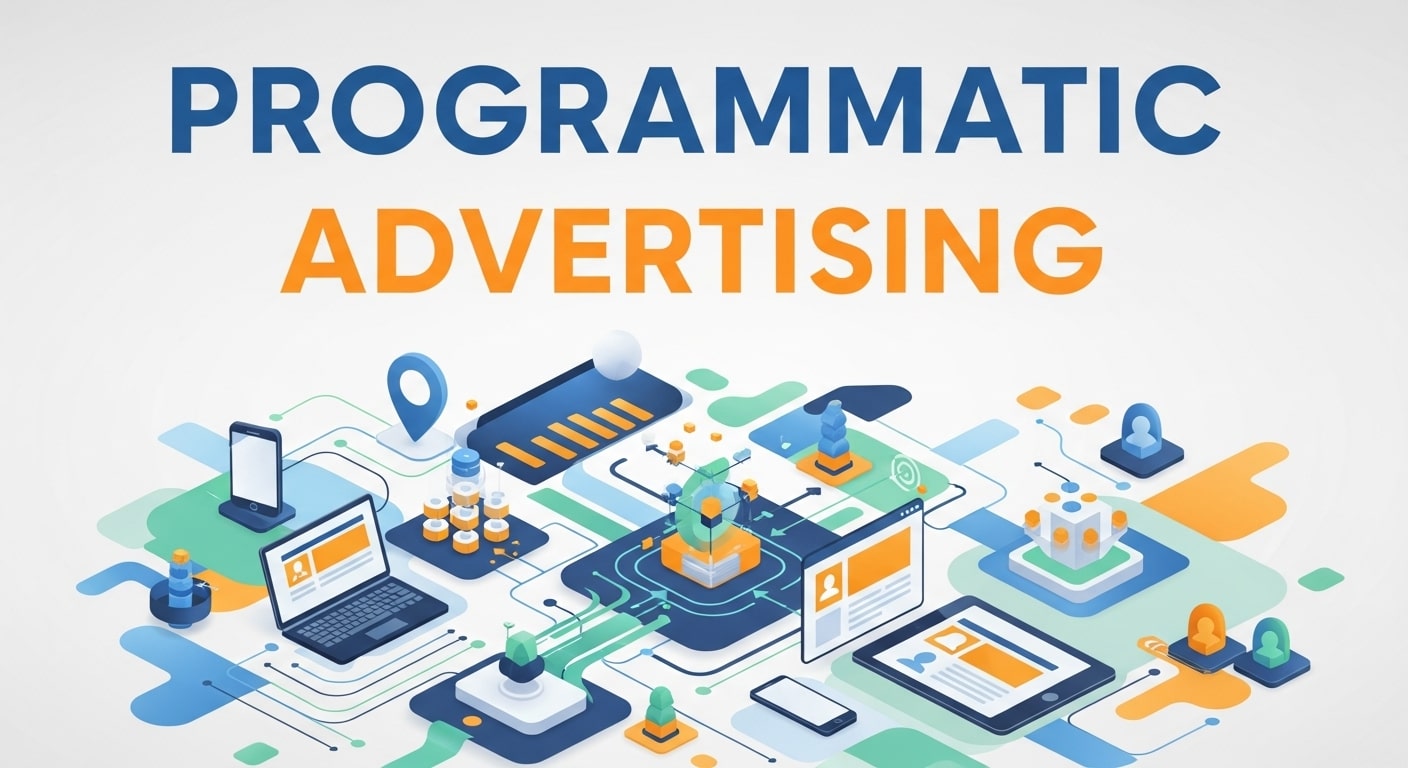
Programmatic advertising is a system that uses artificial intelligence (AI) and real-time bidding (RTB) to serve ads. This makes it easy for advertisers to hone in on their audience — and in doing so, save themselves some time and money.
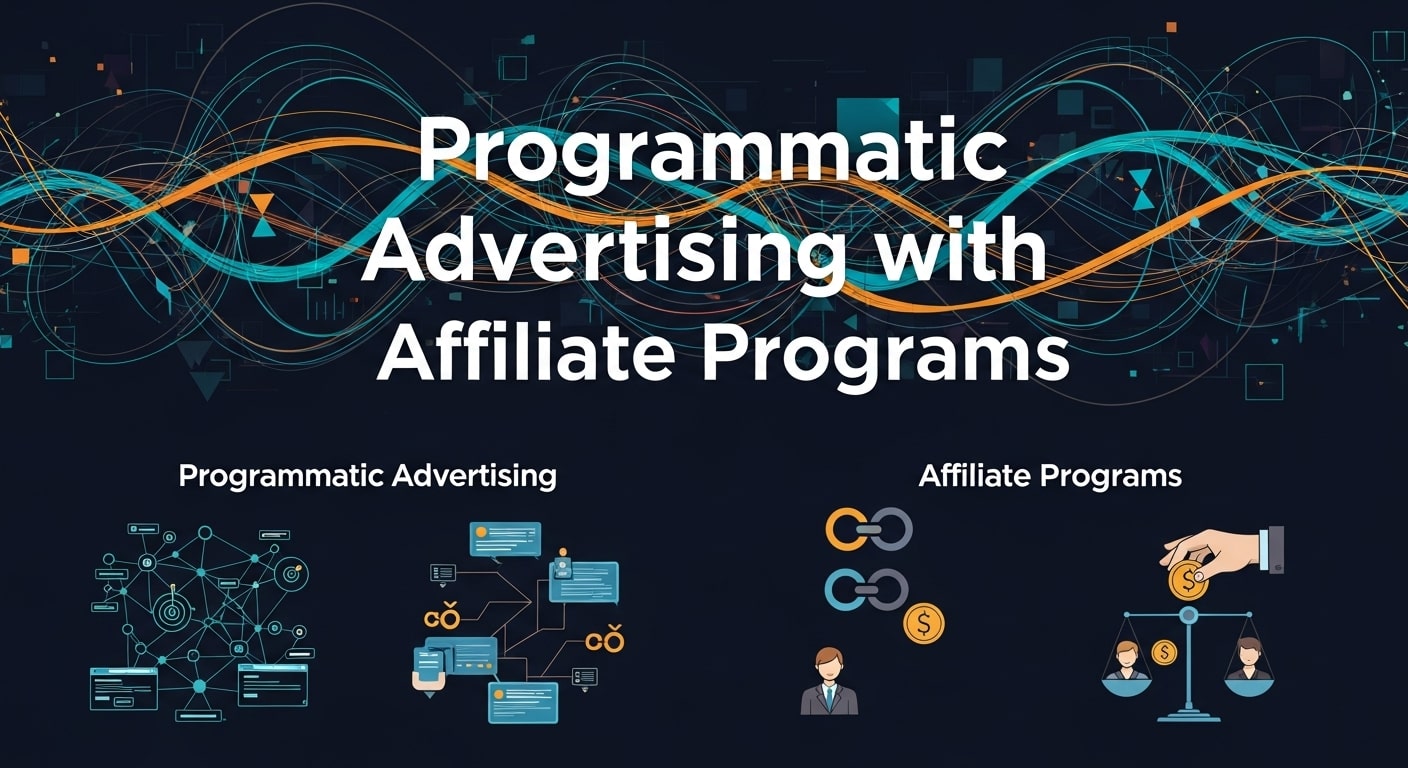
When combined with affiliate programs, programmatic advertising has the capability to display extremely targeted ads to users who are most probably to make transactions, all based on statistically driven insights. And this model reduces needless spending and helps ensure your affiliates are reaching the right people, at the right time, on the right platforms.
Why Pair Programmatic Advertising with Affiliate Programs?
1. Enhanced Targeting
Programmatic technology leverages data like demographics, interests, behaviors, and even intent signals to ensure your ads are delivered to the right audience. Affiliates benefit from better conversion rates, and brands maximize their return on investment.
2. Real-Time Optimization
Real-time bidding and AI-driven algorithms enable affiliates to optimize their campaigns continuously. Poor-performing ads can be adjusted or replaced almost instantly, ensuring your advertising budget isn’t wasted.
3. Scalability
Manually managing an affiliate program is time-intensive and prone to errors. With programmatic advertising, you can scale operations and manage multiple campaigns efficiently, all without sacrificing performance.
4. Greater ROI
By delivering hyper-targeted ads to audiences that are already interested in your product or service, programmatic advertising increases the likelihood of conversions. This, in turn, translates into higher returns for your affiliate program.
Understanding Your Audience at a Deeper Level
A successful programmatic campaign starts with a comprehensive understanding of your audience. Beyond basic demographics, consider psychographics, online behavior, purchase intent, and engagement patterns. Collecting this data allows affiliates to target users more accurately and craft ads that resonate with specific needs. By analyzing audience segments, marketers can identify high-value prospects, predict conversion potential, and reduce wasted ad spend. This insight not only improves campaign efficiency but also strengthens relationships between brands and affiliates, ensuring every programmatic touchpoint aligns with users’ expectations and drives meaningful engagement.
Selecting the Right Affiliate Partners

Not all affiliates are created equal. Choosing the right partners ensures your programmatic campaigns reach qualified audiences and align with your brand values. Look for affiliates with a proven track record of engagement, transparency, and performance-based results. Collaborate with those who provide detailed audience insights, allowing for refined targeting and higher conversion rates. By aligning programmatic campaigns with top-performing affiliates, brands can scale effectively while minimizing risks. Strong partnerships also facilitate smoother communication, shared goals, and mutual growth, making campaigns more consistent, measurable, and impactful across multiple channels.
Optimizing Campaigns with AI and Automation
Artificial intelligence and automation are core to programmatic advertising. AI analyzes large volumes of data in real time to determine which ad placements, creatives, and messaging are most likely to convert. Automation ensures campaigns adjust dynamically, optimizing performance without manual intervention. Affiliates benefit from this efficiency by receiving actionable insights and recommendations to refine strategies instantly. With predictive modeling, AI can forecast audience behavior, helping marketers preemptively adjust bids, budgets, and targeting. Leveraging AI-driven optimization saves time, increases ROI, and ensures campaigns deliver the right message to the right audience at the right time.
Crafting Dynamic and Personalized Creatives
Dynamic creative optimization (DCO) allows affiliates to deliver ads tailored to individual user behaviors and preferences. Personalized creatives boost engagement, relevance, and conversion rates, as users see content aligned with their interests. Programmatic tools can automatically swap elements like headlines, images, and offers based on audience data. For example, an affiliate could highlight products a user previously viewed or provide exclusive discounts. Dynamic creatives reduce the need for manual adjustments while maintaining high campaign relevance. By integrating personalization into your programmatic strategy, affiliates can maximize engagement and deliver a seamless, targeted experience for potential customers.
Leveraging Retargeting for Higher Conversions
Retargeting is a powerful feature of programmatic advertising, allowing affiliates to reconnect with users who interacted but didn’t convert. By tracking user behavior, such as website visits or abandoned carts, marketers can serve timely, relevant ads that encourage action. Programmatic retargeting uses AI to determine which ad formats, messaging, and channels will be most effective for each user. This approach reduces wasted impressions and increases ROI by focusing only on audiences with demonstrated interest. When executed thoughtfully, retargeting keeps your brand top-of-mind, guides prospects down the conversion funnel, and drives measurable results for affiliate programs.
Monitoring KPIs and Campaign Performance
Tracking the right key performance indicators (KPIs) is essential to measure the success of programmatic campaigns. Metrics like impressions, click-through rates, cost per acquisition, and conversions help affiliates understand which ads and segments perform best. Monitoring affiliate-specific performance ensures accountability and highlights areas for improvement. Additionally, analyzing campaign trends over time allows for better forecasting and informed decisions for future campaigns. By systematically reviewing performance data, marketers can refine targeting, optimize budgets, and create more relevant creatives, ensuring programmatic efforts consistently drive revenue and maximize affiliate program ROI.
How to Use Programmatic Advertising for Affiliate Programs
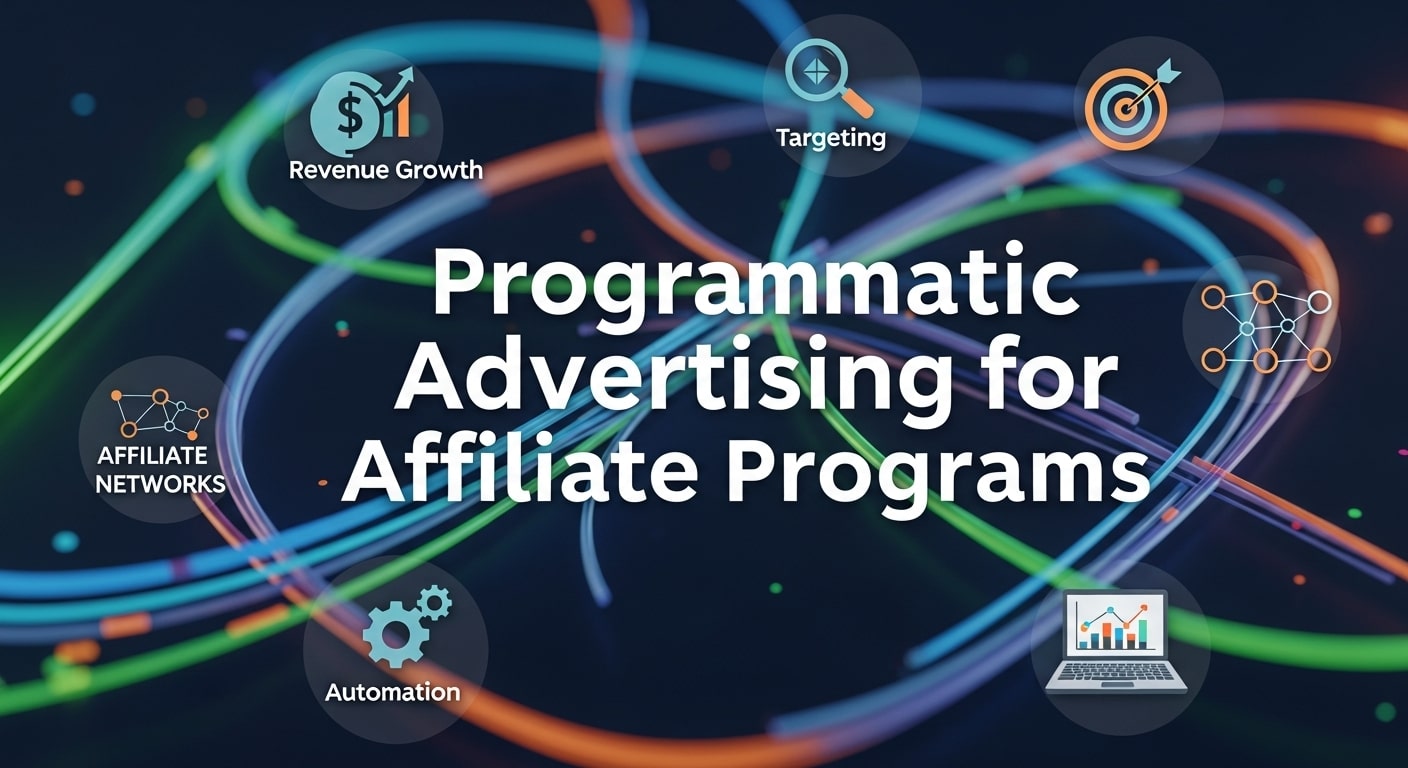
Integrating programmatic advertising into your affiliate marketing doesn’t have to be complicated. Follow these key steps to get started:
1. Understand Your Target Audience
Before launching any programmatic campaigns, you need to build a clear picture of your target audience. Gather data that outlines:
- Demographics: Age, gender, income level.
- Geographics: Location or region when applicable.
- Behavioral Insights: Purchase habits, browsing behavior, and interests.
You can work with your affiliates to share data insights from their user base or use programmatic ad platforms to gather their own audience insights.
2. Choose the Right Programmatic Platform
To run programmatic campaigns efficiently, you’ll need to choose a platform that aligns with your goals and budget. Popular options include:
- Google Display Network for access to a massive global inventory.
- Taboola or Outbrain for effective native advertising.
- MediaMath or The Trade Desk for more advanced targeting features.
If your affiliate program works across multiple verticals or geographies, platforms like these can help you manage campaigns effectively and tap into a broader audience base.
3. Leverage Real-Time Data to Optimize Campaigns
One of the key benefits of programmatic advertising is its ability to optimize campaigns in real-time. Use performance metrics such as:
- Click-through rates (CTR)
- Cost per acquisition (CPA)
- Conversion rates
For instance, if you notice one type of creative is resonating better with your audience, you can double down on that format while phasing out underperforming ones. Affiliates can also tailor their strategies based on performance insights.
4. Personalize and Segment Ads
Personalization is a key factor in affiliate marketing success. Use programmatic advertising to create ad segments that cater to different audience groups. For example:
- Behavioral Targeting: Show specific ads to users based on how they’ve interacted with your website or your affiliates’ promotions.
- Geotargeting: Tailor ads according to location-specific offers or services.
- Lifecycle Stage Targeting: Deliver ads relevant to where the user is in their buyer’s journey (e.g., awareness, consideration, decision).
5. Invest in Retargeting Campaigns
Most affiliate programs understand the importance of retargeting, but programmatic advertising takes this concept to another level. With advanced AI and machine learning, you can serve dynamic ads based on users’ previous browsing behavior across websites or devices.
Example:
A user clicked an affiliate link for your product but didn’t convert. With programmatic retargeting, you can show them an ad highlighting a limited-time discount to entice them to return and complete their purchase.
6. Use Dynamic Creatives
Dynamic creative optimization (DCO) allows you to automatically generate tailored ad creatives based on user profiles or behavior. This is especially effective for affiliate programs since it lets you:
- Automatically include affiliate-specific content or codes in ads.
- Highlight products or services tailored to user interests.
With DCO, affiliates can boost engagement while minimizing the manual effort required to create unique ad variations.
7. Monitor and Measure Success
Tracking performance is crucial in ensuring programmatic advertising delivers results for your affiliate program. Focus on key performance indicators (KPIs) such as:
- Impressions and reach
- CTR across affiliate campaigns
- Conversion rate to gauge user actions post-click
- Affiliate-specific sales metrics to measure individual performance
Ensure that both you and your affiliates align on metrics to avoid any discrepancies, and use this data to continually refine your strategy.
Overcoming Common Challenges with Programmatic Advertising
Like any marketing strategy, programmatic advertising comes with its challenges. Here’s how to solve them:
Challenge 1: Budget Overspending
Solution: Set daily or campaign-wide budget caps within your programmatic platform to avoid overspending.
Challenge 2: Misaligned Targeting
Solution: Regularly review audience data and ensure campaigns remain focused on audiences likely to convert.
Challenge 3: Ad Fatigue
Solution: Rotate ad creatives regularly to keep your campaigns fresh and engaging.
The Future of Programmatic in Affiliate Marketing
Programmatic already is and will continue to be a valuable tool in the affiliate marketing toolbox as it allows the perfect blend of precision targeting, real-time optimization, and scale. With the process I just described above, not only do you save some processes for your campaign, but you also empower your affiliates with tools to convert!
Looking to get started? You might want to get your feet wet with platforms like MediaMath or The Trade Desk to get an early start on your programmatic campaigns. And don’t forget, your best defense is data. Spend it wisely to create campaigns that have no rivals.
Frequently Asked Questions (FAQ)
1. What is programmatic advertising?
Programmatic advertising is the automated buying and selling of ad space using AI and real-time bidding (RTB). It allows advertisers to target specific audiences efficiently, optimizing campaigns based on data and performance metrics.
2. How does programmatic advertising benefit affiliate programs?
It enhances targeting, delivers ads in real time, scales campaigns efficiently, and increases ROI by reaching users most likely to convert. Affiliates can leverage these features to drive better results.
3. Do I need a special platform for programmatic advertising?
Yes. Platforms like Google Display Network, Taboola, Outbrain, MediaMath, and The Trade Desk provide tools to manage campaigns, access broad audiences, and optimize performance in real time.
4. How can I personalize ads using programmatic advertising?
You can segment audiences by behavior, location, or lifecycle stage, and use dynamic creative optimization (DCO) to automatically tailor ads to each user, including affiliate-specific offers.
5. Can programmatic advertising help with retargeting?
Absolutely. Programmatic retargeting shows users ads based on past interactions, encouraging them to return and complete purchases, often with personalized incentives or limited-time offers.
6. What metrics should I track for success?
Monitor impressions, click-through rates (CTR), conversions, cost per acquisition (CPA), and affiliate-specific sales. Tracking these KPIs ensures both you and your affiliates understand campaign effectiveness.
7. How do I prevent overspending in programmatic campaigns?
Set daily or campaign-level budget caps in your platform, regularly monitor performance, and adjust targeting to ensure ad spend aligns with ROI goals.
8. How often should I refresh creatives to avoid ad fatigue?
Rotate ad creatives regularly, ideally every few weeks or based on engagement metrics, to keep campaigns engaging and maintain high conversion rates.
9. Is programmatic advertising suitable for all types of affiliates?
Yes, but it works best for affiliates who have access to audience data and can leverage AI-driven targeting for higher relevance. Smaller affiliates may need guidance or centralized platforms to maximize results.
10. What’s the future of programmatic in affiliate marketing?
Programmatic will continue to grow as AI and machine learning improve targeting, personalization, and real-time optimization. Affiliates who embrace it early gain a competitive advantage in performance and ROI.