How to Integrate Programmatic Advertising with Your SEM Strategy

Digital marketers face an ongoing challenge: maximizing reach while optimizing costs across multiple advertising channels. Two powerhouse strategies—programmatic advertising and search engine marketing (SEM)—often operate in silos, missing opportunities for synergy. When integrated effectively, these approaches can amplify your marketing performance and deliver better ROI than either strategy alone.
Understanding Integrate Programmatic Advertising and SEM
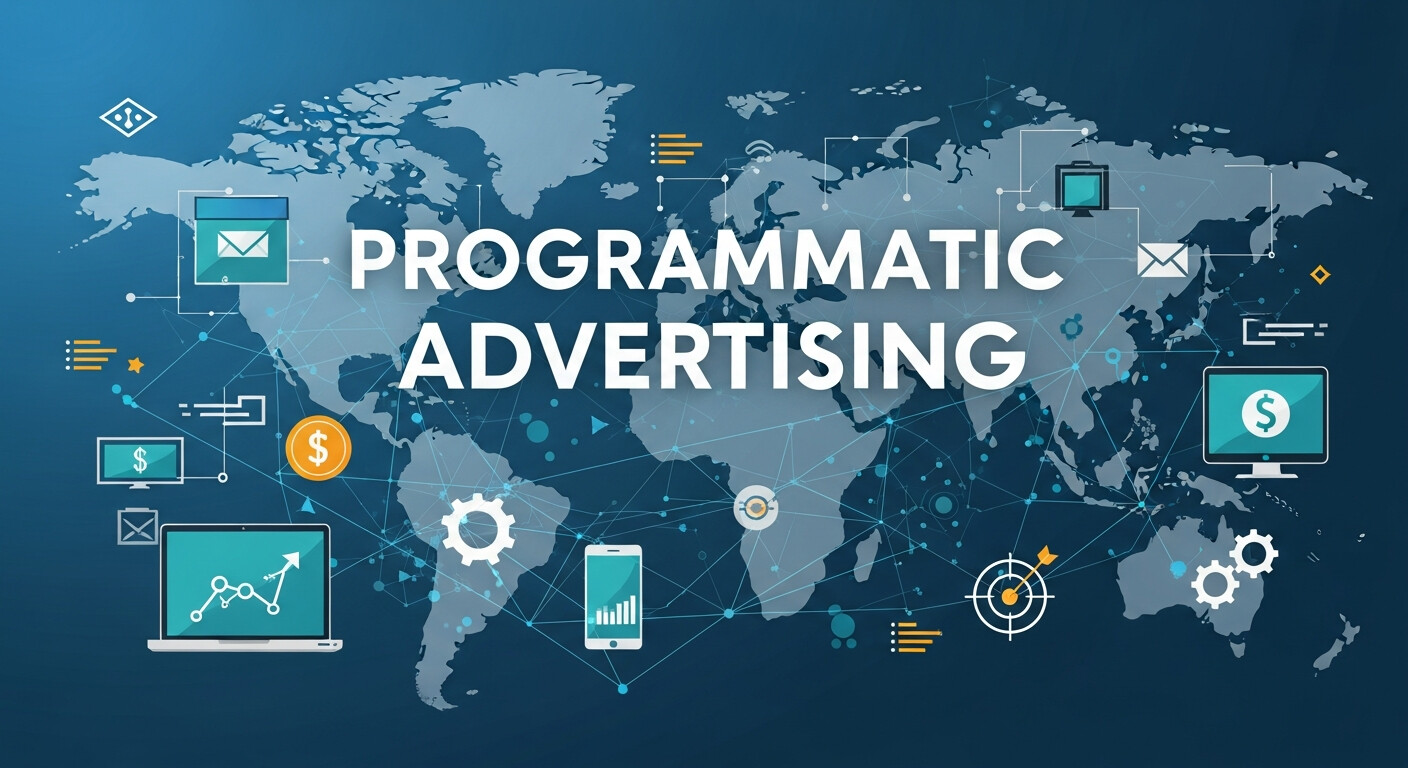
What is Programmatic Advertising?
Programmatic advertising uses automated technology to buy and place digital ads in real-time. Instead of manual negotiations and insertions, algorithms analyze user data and bid on ad inventory across websites, apps, and platforms within milliseconds.
Key components include:
- Real-time bidding (RTB): Instant auctions for ad placements
- Demand-side platforms (DSPs): Tools for buying ad inventory
- Data management platforms (DMPs): Systems for audience segmentation
- Supply-side platforms (SSPs): Tools for publishers to sell inventory
SEM Strategy Fundamentals
Search engine marketing encompasses paid search advertising, primarily through Google Ads and Microsoft Advertising. SEM targets users actively searching for specific keywords, capturing high-intent traffic at the moment of interest.
Core SEM elements include:
- Keyword research and bidding
- Ad copy optimization
- Landing page alignment
- Quality Score management
- Conversion tracking
Benefits of Integration
Enhanced Audience Targeting
Combining programmatic and SEM data creates richer audience profiles. Search behavior reveals explicit intent, while programmatic data exposes browsing patterns and interests. This dual perspective enables more precise targeting across both channels.
Improved Attribution and Measurement
Integrated campaigns provide clearer customer journey insights. You can track how display impressions influence search behavior and vice versa, leading to better budget allocation decisions.
Cross-Channel Optimization
When programmatic and SEM work together, you can:
- Suppress ads to users who have already converted through search
- Retarget search visitors with display ads
- Use search insights to inform programmatic creative strategies
Strategic Integration Framework
Step 1: Unify Your Data Sources
Start by connecting your programmatic and SEM platforms to a centralized analytics system. This integration allows for:
Shared Audience Segments: Use search conversion data to create high-value audience segments for programmatic targeting. Users who convert on high-value search terms become priority audiences for display campaigns.
Cross-Platform Attribution: Implement tracking that captures the full customer journey. Google Analytics 4, Adobe Analytics, or specialized attribution platforms can map interactions across both channels.
Unified Reporting: Create dashboards that show performance metrics from both channels side-by-side, revealing optimization opportunities.
Step 2: Develop Complementary Keyword and Audience Strategies
Your search keyword research should inform programmatic audience building, and vice versa.
Keyword-Informed Audiences: Transform high-performing search keywords into interest-based audiences for programmatic campaigns. If “cloud accounting software” drives conversions in SEM, target users interested in accounting, small business tools, and enterprise software through programmatic.
Search Behavior Segmentation: Create programmatic audiences based on search behavior patterns. Users who search for comparison terms might receive different display messaging than those searching for branded terms.
Intent-Based Timing: Use search volume data to time programmatic campaigns. Increase display ad frequency before peak search periods to prime your audience.
Step 3: Coordinate Creative Messaging
Ensure your programmatic and SEM creative assets work together rather than competing for attention.
Message Sequencing: Use programmatic display ads to introduce your brand and value proposition, then capitalize with targeted search ads when users actively search for solutions.
Creative Testing Insights: Apply learnings from SEM ad copy performance to programmatic creative development. High-performing search headlines often translate well to display ad headlines.
Brand Consistency: Maintain visual and messaging consistency across channels while adapting format-specific best practices.
Advanced Integration Tactics
Dynamic Creative Optimization
Use search query data to dynamically adjust programmatic creative elements. If a user searches for “budget CRM software,” serve display ads featuring pricing and value messaging rather than feature-heavy creative.
Sequential Targeting
Implement campaigns that respond to user behavior across channels:
- Show awareness-focused display ads to cold audiences
- Retarget display ad viewers with specific search campaigns
- Suppress display ads for users who convert through search
Competitive Intelligence
Monitor competitor activity across both channels to identify gaps and opportunities. Use programmatic to build awareness while competitors focus heavily on SEM, or vice versa.
Frequency Management
Coordinate frequency caps across programmatic and SEM to avoid overwhelming users with too many touchpoints. Set rules that consider total brand exposure rather than channel-specific limits.
Implementation Best Practices
Technology Stack Requirements
Unified Tracking: Implement consistent UTM parameters and conversion tracking across both channels. Use first-party data where possible to improve accuracy and compliance.
Platform Integration: Choose programmatic and SEM platforms that offer native integration capabilities or robust API access for data sharing.
Attribution Modeling: Select attribution models that accurately reflect the interplay between channels. Consider custom models that weight upper-funnel programmatic touchpoints differently than lower-funnel search clicks.
Budget Allocation Strategies
Start with historical performance data to establish baseline budget splits. Test incremental budget shifts while monitoring overall performance metrics rather than channel-specific KPIs.
Performance-Based Reallocation: Move budget toward the channel driving better marginal returns, but maintain presence in both to preserve integration benefits.
Seasonal Adjustments: Adjust the programmatic-to-SEM ratio based on search volume patterns and competitive landscape changes throughout the year.
Quality Control Measures
Brand Safety: Ensure programmatic inventory meets the same quality standards as your search campaigns. Use whitelist and blacklist strategies to maintain brand integrity.
Data Quality: Regularly audit audience segments and keyword lists to maintain relevance and performance standards.
Compliance Alignment: Keep both channels aligned with privacy regulations and platform policy changes.
Measuring Integrated Success

Key Performance Indicators
Track metrics that reflect the combined impact of both channels:
Cross-Channel Conversion Rate: Measure conversions that involve touchpoints from both programmatic and SEM campaigns.
Customer Acquisition Cost (CAC): Calculate blended CAC across both channels rather than evaluating them separately.
Lifetime Value Impact: Assess whether integrated campaigns produce customers with higher lifetime values than single-channel efforts.
Advanced Analytics Approaches
Marketing Mix Modeling: Use statistical analysis to understand the true contribution of each channel and their interaction effects.
Incrementality Testing: Run controlled experiments to measure the incremental impact of adding programmatic to SEM campaigns or vice versa.
Path Analysis: Examine the most common customer journey paths to optimize touchpoint sequencing and messaging.
Channel Synergy for Full-Funnel Coverage
When brands integrate display and search thoughtfully, they unlock true full-funnel visibility. To integrate programmatic advertising with paid search means supporting users from early awareness to final conversion without disjointed messaging. Programmatic campaigns introduce the brand to new audiences, while search captures demand when intent peaks. This synergy ensures prospects are not lost between stages of the journey. Instead of treating impressions and clicks separately, marketers can guide users through a connected experience. When businesses integrate programmatic advertising strategically, they reduce friction, improve recall, and increase the likelihood of conversion across every stage of the funnel.
Smarter Budget Efficiency Through Integration
One of the biggest advantages when marketers integrate programmatic advertising with SEM is cost efficiency. Search ads alone can become expensive in competitive auctions, especially for high-intent keywords. Programmatic helps warm up audiences before they search, often improving click-through rates and lowering cost per acquisition. By analyzing performance across both channels together, budgets can be shifted dynamically based on real impact rather than isolated metrics. When brands integrate programmatic advertising into their broader media strategy, they avoid over-spending on last-click channels and instead invest where influence and efficiency are highest.
Stronger Brand Recall and Demand Creation
Relying solely on search limits growth to existing demand. When companies integrate programmatic advertising into their SEM efforts, they actively create demand instead of waiting for it. Display, video, and native ads reinforce brand messaging before users ever type a query. This repeated exposure increases brand familiarity and trust, making users more likely to click branded or non-branded search ads later. Over time, integrating programmatic advertising helps brands own more touchpoints in the buyer journey. The result is stronger recall, higher engagement, and a more sustainable pipeline driven by both awareness and intent.
Overcoming Common Challenges
Data Silos
Break down organizational barriers that keep programmatic and SEM teams separated. Establish regular communication protocols and shared performance goals.
Platform Limitations
Work with vendors to access APIs and data feeds that enable integration. Consider third-party solutions when native integrations fall short.
Attribution Complexity
Start with simple attribution models and gradually add complexity as your tracking capabilities improve. Perfect attribution is less important than consistent measurement and optimization.
Budget Competition
Frame integration as optimization rather than resource reallocation. Focus on total performance improvement rather than channel-specific wins and losses.
Future-Proofing Your Strategy
Privacy regulations and technology changes will continue reshaping digital advertising. Integrated approaches that rely heavily on first-party data and direct customer relationships will become increasingly valuable.
First-Party Data Emphasis: Use email addresses and customer IDs to connect programmatic and SEM touchpoints without relying on third-party cookies.
AI and Machine Learning: Leverage platform automation features that can optimize across channels simultaneously, reducing manual coordination requirements.
Emerging Channels: Apply integration principles to new advertising channels as they emerge, maintaining a unified approach to customer acquisition.
Building Your Integrated Future

Successfully integrating programmatic advertising with SEM strategy requires both technical execution and organizational alignment. Start with small pilot campaigns that test integration concepts before scaling to full implementation.
Focus on creating sustainable processes rather than one-time optimizations. The most successful integrated campaigns evolve continuously, adapting to platform changes, market conditions, and customer behavior shifts.
Your integration strategy should enhance each channel’s strengths while mitigating individual weaknesses. Programmatic advertising excels at reach and awareness, while SEM captures high-intent moments. Together, they create a comprehensive approach that guides prospects from initial awareness through final conversion.
Frequently Asked Questions (FAQ)
What does it mean to integrate programmatic advertising and SEM?
Integrating programmatic advertising and SEM means aligning data, targeting, messaging, and measurement across both channels so they work together as a single strategy. Instead of operating independently, programmatic supports awareness and consideration while SEM captures high-intent demand, creating a more cohesive customer journey.
Why should digital marketers integrate programmatic advertising with SEM?
Integration helps marketers maximize ROI by leveraging the strengths of both channels. Programmatic advertising expands reach and builds awareness, while SEM captures users actively searching for solutions. Together, they improve targeting accuracy, reduce wasted spend, and provide better insight into the full conversion path.
How does integration improve audience targeting?
Search data reveals user intent, while programmatic data shows browsing behavior and interests. When combined, these insights create richer audience profiles. Marketers can use search-driven insights to build programmatic audiences and use display engagement data to refine SEM targeting.
Can programmatic advertising influence search performance?
Yes. Programmatic display ads often increase brand awareness, which can lead to higher branded and non-branded search activity later. Users exposed to display ads may be more likely to click on search ads, improving overall conversion rates and lowering cost per acquisition.
What tools are needed to integrate programmatic and SEM effectively?
Successful integration requires unified analytics tools, consistent tracking, and platforms that allow data sharing. Tools like Google Analytics 4, attribution platforms, DSPs, and ad platforms with API access help connect performance data across channels.
How should budgets be allocated between programmatic and SEM?
Budget allocation should be based on performance and business goals rather than fixed percentages. Many marketers start with historical data, then adjust spending dynamically based on marginal returns, seasonality, and the role each channel plays in the customer journey.
What KPIs should be used to measure integrated performance?
Instead of evaluating channels separately, marketers should focus on blended metrics such as cross-channel conversion rates, combined customer acquisition cost, pipeline impact, and customer lifetime value influenced by both programmatic and SEM touchpoints.
What are the biggest challenges in integrating programmatic and SEM?
Common challenges include data silos, attribution complexity, platform limitations, and internal team separation. These issues can be addressed through shared goals, unified reporting, gradual attribution improvements, and stronger collaboration between teams.
How does privacy regulation affect integrated strategies?
Privacy regulations reduce reliance on third-party cookies, making integration more challenging but also more valuable. First-party data, consent-based tracking, and secure identifiers help connect programmatic and SEM efforts while remaining compliant.
Is integration suitable for all business sizes?
Yes. While enterprise brands often have more resources, small and mid-sized businesses can also benefit by starting with simple integrations such as shared audiences, coordinated messaging, and unified reporting, then scaling as capabilities grow.