ABM Analytics in the Age of Programmatic Advertising Evolution

Account-Based Marketing (ABM) and programmatic advertising have individually revolutionized the marketing landscape. But together, they form a powerful alliance, offering marketers unparalleled precision and personalization. At the core of this synergy lies ABM analytics. This blog dives deep into how ABM analytics is evolving alongside programmatic advertising and why mastering this duo is key to driving marketing ROI in 2026 and beyond.
What is ABM Analytics?
Before we can understand its role in programmatic advertising, let’s clarify what ABM analytics is all about.
Account-Based Marketing analytics refers to the use of data-driven insights to identify, engage, and nurture high-value accounts. Unlike traditional marketing metrics focused on volume (e.g., page views or overall traffic), ABM analytics zooms in on the health and progress of specific target accounts.
Key components include:
- Engagement Metrics: How often are target accounts engaging with your ads, emails, and other content?
- Pipeline Influence: What percentage of your pipeline is influenced by ABM-targeted campaigns?
- Revenue Attribution: How much revenue can be directly tied back to target account campaigns?
ABM analytics doesn’t just measure performance; it serves as the backbone of strategy, optimizing each campaign’s effectiveness.
A Quick Look at Programmatic Advertising
Programmatic advertising has simplified digital ad buying. Through automated systems, marketers now bid for ad placements in real-time across platforms like social media, display networks, and streaming services.
Key benefits include:
- Efficiency: Automation reduces manual efforts in placing and optimizing ads.
- Targeting Precision: Target audience segments can be as broad or narrow as needed.
- Cost-Effectiveness: Avoiding overspending through real-time bidding helps maximize ROAS (Return on Ad Spend).
However, success in programmatic advertising is directly tied to the quality of your targeting data. And this is precisely where ABM analytics amplifies results.
How ABM Analytics Enhances Programmatic Advertising
The evolution of programmatic campaigns demands sophisticated targeting and personalization. ABM analytics elevates programmatic advertising in the following ways:
1. Granular Audience Targeting
Traditional programmatic advertising uses contextual or interest-based targeting. ABM analytics enhances this by narrowing the focus to specific accounts. This allows you to create campaigns that resonate deeply with decision-makers at key companies.
Example: A SaaS company targeting enterprise clients can use ABM data to exclusively serve ads to IT decision-makers at ten high-powered accounts, rather than wasting budget on general audiences.
2. Personalized Ad Messaging
ABM analytics provides rich insights into account-specific challenges and priorities. Programmatic creatives can then be tailored to address these unique pain points.
Example: Instead of a single generic message (“Boost your marketing ROI”), an ad using ABM-driven personalization might say, “For [Company Name]’s marketing team, improving lead accuracy is key. Here’s how we can help.”
Personalization drives higher engagement rates and positions your brand as a solution provider, not just a service.
3. Improved Campaign Attribution
Programmatic advertising is notorious for making attribution complicated. Which ad drove that conversion? How should credit be distributed across various touchpoints?
ABM analytics closes these gaps by offering account-level visibility. You can verify which ads contributed to pipeline advancement, ensuring more accurate revenue attribution.
4. Scalability Without Compromising Personalization
One of the core promises of programmatic advertising is scalability. But maintaining personalization across dozens or hundreds of accounts can be challenging.
By syncing ABM analytics with your programmatic platforms, you can craft automated workflows for hyper-personalized campaigns for tens, hundreds, or even thousands of accounts at once.
The Role of AI in ABM and Programmatic Innovation
The evolution of ABM analytics and programmatic advertising is increasingly driven by artificial intelligence (AI).
Real-time Decision Making
By leveraging AI to process ABM data, programmatic platforms can automatically detect shifts in account engagement and adjust campaigns in real time. For instance, if an account shows increased website activity, the platform could immediately serve a personalized retargeting ad urging action.
Predictive Analytics
AI-powered predictive analytics tools allow you to forecast account behavior. With such foresight, programmatic campaigns can proactively address potential objections or anticipate upcoming purchase cycles.
Content Optimization
Machine learning algorithms analyze engagement trends from ABM campaigns to identify which types of creative drive the best results. They can then optimize programmatic ads accordingly.
Pro Tip: AI-driven tools like Adobe Sensei and Salesforce Einstein are already incorporating ABM analytics into programmatic advertising systems for enhanced targeting and reporting.
Challenges to Consider
While ABM analytics supercharges programmatic workflows, marketers should prepare for these challenges:
- Data Silos: If ABM analytics is disconnected from your programmatic advertising tools, achieving alignment can be labor-intensive. Use integrated platforms like Terminus or Demandbase to merge data streams.
- Over-Reliance on Automation: While automation improves efficiency, human oversight ensures campaigns remain strategic and creative.
- Privacy Regulations: Tighter data privacy laws require ethical and compliant use of personal data. ABM campaigns must be transparent about how data is used to target accounts.
Strategic planning and the right technological stack can effectively overcome these hurdles.
ABM Analytics Brings Measurable Gains
For organizations adopting ABM analytics in tandem with advanced programmatic advertising, the rewards are significant. Here’s a quick snapshot of what you stand to gain through implementation:
- 81% of marketers report increased account engagement through ABM initiatives (SiriusDecisions Study).
- Companies using ABM see an average of 171% increase in their average deal size (ITSMA Report).
- Adding programmatic ad spend to ABM campaigns has been shown to reduce customer acquisition costs by up to 20%, compared to manually managed campaigns.
How to Get Started with ABM Analytics for Programmatic
To harness the full potential of ABM analytics for your programmatic campaigns, follow these steps:
1. Align Sales and Marketing Teams
Ensure both departments agree on target account lists (TALs) and work collaboratively.
2. Invest in the Right Tools
Look for platforms that pair ABM analytics with programmatic ad integrations, such as Terminus, HubSpot, or RollWorks.
3. Start with a Pilot Campaign
Test a single campaign targeting a small group of accounts. Use this as a proof of concept before scaling efforts.
4. Monitor and Optimize in Real-time
ABM analytics shines when used for real-time campaign optimization. Monitor engagement closely and adjust your programmatic creatives and strategy as needed.
The Shift Toward Account-Centric Media Buying
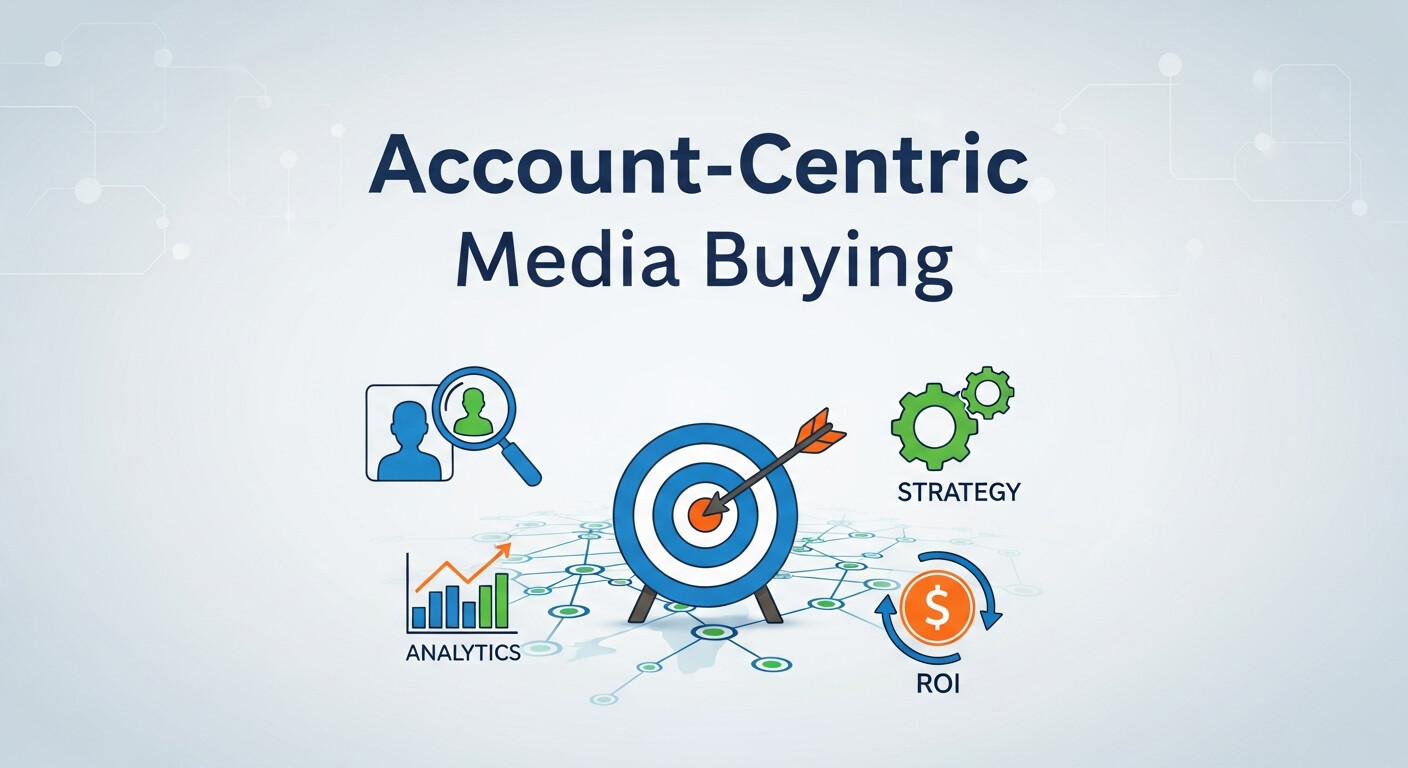
Modern B2B marketing is moving away from audience-scale thinking and toward account-centric execution. Instead of optimizing for impressions or clicks, marketers now prioritize engagement quality within high-value accounts. This shift allows teams to allocate budgets more strategically and align media buying with sales objectives. When account insights guide media decisions, campaigns become more relevant and measurable. Programmatic channels, when paired with ABM analytics, enable marketers to reach the right stakeholders within target organizations rather than broad personas. This evolution ensures that marketing efforts directly support pipeline growth and revenue outcomes rather than vanity metrics.
Privacy-First Targeting in a Regulated Landscape
As data regulations tighten globally, marketers must rethink how they collect, store, and activate data. Account-based approaches help brands maintain compliance while still delivering relevance. By relying on firmographic, contextual, and first-party data, teams can minimize dependency on invasive tracking methods. Addressing Programmatic Advertising Privacy responsibly builds trust with both buyers and internal stakeholders. Transparent data usage and ethical targeting practices are no longer optional—they are strategic necessities. Brands that proactively adapt to privacy-first frameworks will be better positioned to maintain performance while avoiding regulatory risk and reputational damage.
From Awareness to Pipeline Acceleration
ABM analytics plays a crucial role in mapping how awareness-driven efforts contribute to revenue. Instead of viewing upper-funnel activity as disconnected, account-level insights reveal how impressions, clicks, and engagements influence deal momentum. This visibility allows marketers to fine-tune messaging based on where each account sits in the buying journey. Programmatic touchpoints can then reinforce sales conversations and accelerate pipeline progression. When awareness and demand are measured together, marketing teams can justify spend more effectively and demonstrate clear impact on revenue growth.
Activating First-Party Data for Smarter Campaigns
With diminishing access to third-party data, first-party insights have become the foundation of effective targeting. CRM data, website interactions, content engagement, and intent signals help marketers understand account readiness and interests. When activated across programmatic channels, these insights enable highly relevant messaging without relying on outdated tracking methods. This approach is essential for Cookieless Programmatic Advertising, where precision depends on a strong internal data infrastructure. Brands that invest in data hygiene and integration gain a competitive advantage by delivering timely, compliant, and personalized experiences to target accounts.
Aligning Creative Strategy With Account Intent
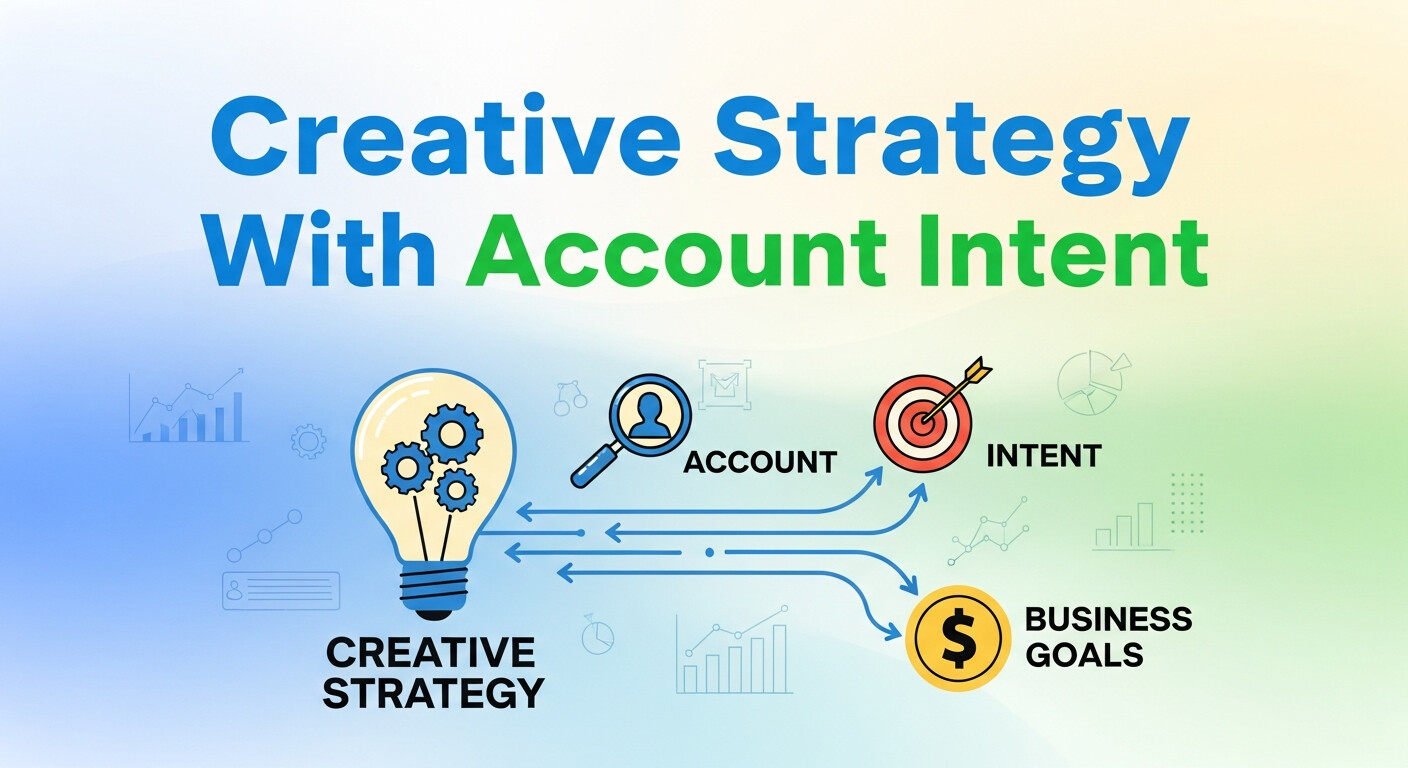
Creative effectiveness improves dramatically when informed by account behavior. ABM analytics reveals which topics, formats, and value propositions resonate with specific accounts. Programmatic platforms can then dynamically serve creative variations aligned to each account’s challenges and stage in the funnel. This alignment reduces message fatigue and increases engagement quality. Instead of generic brand statements, ads become contextual conversations that feel relevant and timely. When creative strategy is rooted in real account insights, campaigns deliver stronger performance and higher conversion rates.
Operational Efficiency Through Intelligent Automation
Automation is most powerful when guided by strategic intelligence. ABM analytics ensures that automated programmatic campaigns don’t sacrifice relevance for scale. Rules-based workflows can adjust bids, creative, and frequency based on account engagement signals. This approach allows teams to scale personalized outreach without manual intervention. By Harnessing Programmatic Advertising with ABM insights, marketers can improve efficiency while maintaining control over strategic direction. The result is a balanced system where automation accelerates execution and analytics ensures precision.
Future-Proofing ABM and Programmatic Strategies
As buying journeys grow more complex, the integration of ABM analytics and programmatic advertising will become standard practice. Future-ready teams focus on adaptability, data integration, and continuous learning. This means regularly revisiting account lists, refreshing intent models, and testing new engagement signals. Organizations that treat ABM analytics as an evolving capability—not a static tool—will remain competitive. By building flexible strategies today, marketers can respond quickly to changes in buyer behavior, technology, and regulation tomorrow.
Redefine Your Approach with ABM Analytics
By integrating ABM analytics with programmatic advertising, businesses can unlock laser-focused precision, personalized engagement, and measurable ROI growth. Whether you’re looking to refine your existing campaigns or embark on an ABM-focused transformation, the time to act is now.
Want to get hands-on with ABM analytics for your campaigns? Check out our free guide or book a consultation with one of our experts today!
Frequently Asked Questions (FAQ)
What is ABM analytics?
ABM analytics is the process of tracking, measuring, and analyzing data related to specific target accounts rather than broad audiences. It focuses on account-level engagement, pipeline impact, and revenue attribution to help marketers understand how well their Account-Based Marketing efforts are performing.
How does ABM analytics support programmatic advertising?
ABM analytics enhances programmatic advertising by providing precise account-level data that improves targeting, personalization, and attribution. This allows marketers to serve highly relevant ads to decision-makers within specific accounts and measure how those ads influence pipeline and revenue.
What metrics are most important in ABM analytics?
Key ABM analytics metrics include account engagement levels, pipeline influence, revenue attribution, deal velocity, and conversion rates within target accounts. These metrics help evaluate how marketing efforts contribute to account progression and business outcomes.
Can ABM analytics improve marketing ROI?
Yes. By focusing spend and effort on high-value accounts, ABM analytics helps reduce wasted ad spend, increase deal sizes, and shorten sales cycles. When paired with programmatic advertising, it enables smarter budget allocation and measurable ROI improvements.
How does AI enhance ABM analytics and programmatic advertising?
AI enables real-time decision-making, predictive insights, and automated optimization. It analyzes engagement patterns, predicts account behavior, and dynamically adjusts programmatic campaigns to deliver more relevant messaging at the right time.
What challenges should marketers expect when using ABM analytics?
Common challenges include data silos between platforms, over-reliance on automation without strategic oversight, and compliance with data privacy regulations. These challenges can be mitigated by using integrated tools and maintaining a balance between automation and human input.
Is ABM analytics suitable for all types of businesses?
ABM analytics is especially effective for B2B organizations with longer sales cycles and high-value accounts, such as SaaS, enterprise technology, and professional services companies. However, any business targeting defined account lists can benefit from an ABM-driven approach.
What tools support ABM analytics and programmatic integration?
Popular tools include Terminus, Demandbase, RollWorks, HubSpot, and Salesforce integrations. These platforms combine account insights with programmatic advertising capabilities to streamline targeting, reporting, and optimization.