Harnessing the Power of Programmatic Advertising for Engagement
Programmatic advertising has revolutionized digital marketing, providing a method for businesses to build more meaningful connections with their targets in a fast, cost-effective manner. If you are a marketing professional, an advertiser, or a brand manager curious about looking to the future and how you end up optimising your strategy, you need to know what programmatic advertising is.
This is the first blog in a series that will explain what programmatic advertising is, why it’s so important, and how you can use it to improve audience engagement and ROI.
What Is Programmatic Advertising and Why Does It Matter?
Programmatic advertising is the process of automatically buying and optimizing digital ad placement with the help of technology. Rather than the old route of ad buying, programmatic uses real-time data and algorithms to effectively place an ad in front of the right consumer at the right time on the right platform.
The result? More efficiency, accuracy, and engagement.
As an example, consider a shopper who is looking for exercise clothes on the internet. By using programmatic advertising tools, the next time they land on the web, you could display them an ad for your new sports apparel collection in real time, making sure that you are targeting their interests specifically.
But why should the enthusiastic response for engagement matter? It’s all about personalization and context, left and right hooks in the fight for attention in the digital age.
Why Programmatic Advertising Drives Engagement
Programmatic advertising isn’t just about automating ad placements; it’s about creating relevant, personalized experiences that resonate with audiences. Here’s how it boosts engagement:
- Precise targeting: With advanced audience segmentation and behavioral analysis, programmatic allows brands to target highly specific demographics, ensuring ads are relevant to consumers’ needs and interests.
- Dynamic creatives: These are tailored ads that adjust based on user behavior. For example, an online shoe retailer can display specific product ads based on the viewer’s past searches or preferences. This level of personalization significantly enhances engagement.
- Real-time insights: Programmatic platforms collect real-time data, enabling you to optimize ad campaigns on the go. If a creative piece isn’t driving clicks, you can adjust the visuals, messages, or placement almost immediately.
Successful campaigns often hinge on delivering the right message at the right moment. With programmatic, you’re no longer guessing; you have precision on your side.
Setting Up an Engagement Strategy with Programmatic Advertising
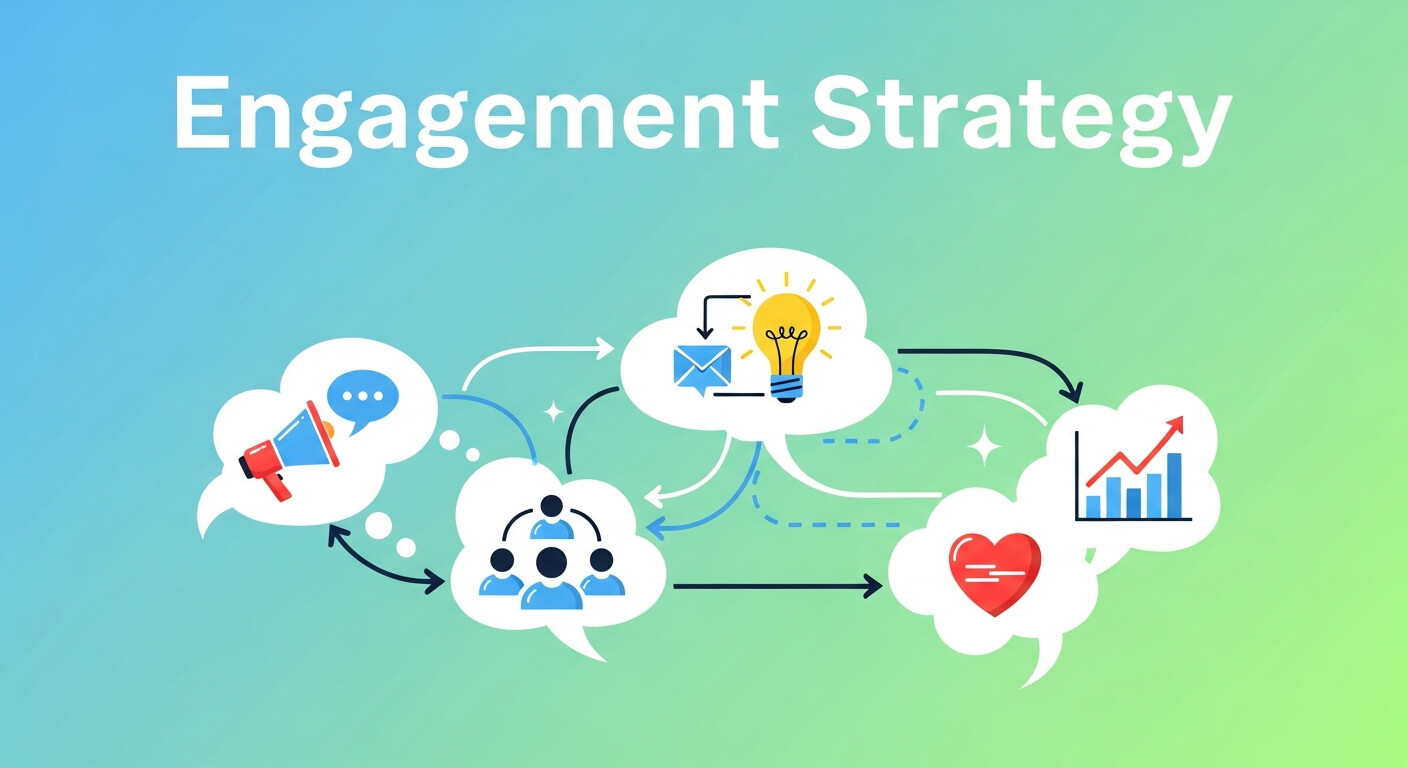
Programmatic advertising is only as effective as the strategy behind it. Below are actionable steps to help you craft a robust engagement-focused programmatic campaign.
1. Define Your Campaign Goals
Before jumping into ad placements, clarify what you’re hoping to achieve. For engagement-focused goals, metrics such as click-through rate (CTR), dwell time, conversion rates, or video completion rates are vital. Align your goals with the overall marketing objectives to ensure campaigns make an impact.
2. Develop Audience Personas
One of programmatic advertising’s biggest strengths is its ability to target specific groups. To maximize this, create detailed audience personas. Consider factors such as:
- Age group
- Interests
- Online behaviors
- Purchasing habits
For example, if your target audience is Gen Z consumers shopping for eco-friendly apparel, ensure your messaging and creatives speak to sustainability and trends.
3. Leverage Data and Analytics
Data is the foundation of effective programmatic advertising campaigns. Use tools and platforms integrated with programmatic systems (such as Google Display & Video 360 or The Trade Desk) to analyze behavior patterns like:
- Page views
- Product searches
- Past purchases
This data will allow you to segment your targets more effectively and tailor your messaging for higher engagement.
4. Use Retargeting for Deeper Connection
A major driver of engagement in programmatic is retargeting. This allows you to re-engage users who have interacted with your brand before but may not have converted.
For example:
- Someone browses your website and leaves items in their cart.
- Programmatic retargeting can serve them display ads for these specific products while they’re exploring another website or on social media platforms like Instagram or Facebook.
Retargeting serves as a gentle nudge, prompting potential customers to revisit and potentially convert.
5. Experiment with Rich Media Ads
Static ads may not always catch a user’s eye. To engage modern audiences effectively, consider rich media ads like videos, interactive content, or carousel ads.
Statistics show that video is a powerful medium to drive engagement; users spend an average of 88% more time on a website with video content. Interactive ads, on the other hand, captivate viewers, encouraging higher dwell times and clicks.
6. Continuously Optimize and Test
What works for one campaign may not work for another. Use A/B testing for creatives, headlines, or calls-to-action (CTAs). For example:
- Test a straightforward CTA like “Shop Now” vs. a conversational one like “Find Your Perfect Fit.”
- Experiment with attention-grabbing visuals against more subtle designs to see what resonates.
Additionally, use performance data to refine your strategy. Tools like programmatic demand-side platforms (DSP) can help you assess ad placements that drive the most engagement and optimize where your budget goes.
Common Mistakes to Avoid in Programmatic Advertising
While programmatic advertising brings great opportunities, improper execution can hinder engagement. Avoid these common pitfalls:
- Over-segmentation: While audience segmentation is valuable, too much specificity can narrow your reach drastically, missing out on larger potential segments.
- Ignoring mobile optimization: Over 75% of ad impressions now happen on mobile devices, making mobile optimization crucial for engagement campaigns.
- Lack of frequency capping: Seeing the same ad too often annoys users and can harm engagement. Use frequency capping to limit how many times an ad appears to a single individual.
Real-Life Success Stories in Programmatic Engagement
Looking for inspiration? Here are some notable examples of brands leveraging programmatic advertising to boost engagement:
- Nike’s personalized videos for the Chinese market used programmatic technology to create over 100,000 unique video ads, featuring custom greetings based on user data. The result? A whopping 80% ad engagement lift.
- Netflix leverages predictive analytics for its ad placements, ensuring that movie and show recommendations align perfectly with the preferences of its subscribers.
These examples highlight how utilizing audience insights and programmatic technology can foster meaningful connections with audiences.
The Role of First-Party Data in Programmatic Advertising
As privacy regulations evolve and third-party cookies phase out, first-party data has become increasingly valuable in programmatic advertising. First-party data includes information collected directly from your audience, such as website behavior, app usage, purchase history, and email interactions. Using this data allows advertisers to build accurate audience segments and deliver highly relevant ads without relying heavily on external sources. When integrated into programmatic platforms, first-party data improves targeting accuracy and engagement rates while maintaining compliance with data privacy laws. Brands that invest in collecting and activating first-party data gain stronger control over their audience strategy and are better positioned for long-term programmatic success.
How Programmatic Advertising Supports Omnichannel Marketing
Modern consumers interact with brands across multiple devices and platforms, making omnichannel marketing essential. Programmatic advertising enables seamless message delivery across channels such as display, mobile, video, social, audio, and connected TV. By using centralized platforms and real-time data, advertisers can ensure consistent messaging while adapting creatives to each channel’s format and audience behavior. This unified approach helps reinforce brand recall and improve engagement throughout the customer journey. Programmatic technology also allows marketers to track cross-channel performance, giving deeper insight into how different touchpoints work together to drive results rather than operating in isolated silos.
Real-Time Bidding and Its Impact on Performance
Real-time bidding (RTB) is a core component of programmatic advertising that allows advertisers to bid on ad impressions in milliseconds. Each impression is evaluated based on audience data, context, and relevance before the ad is served. This process ensures advertisers only pay for impressions that match their targeting criteria, improving cost efficiency. RTB also allows for rapid optimization, as bids can be adjusted instantly based on performance data. By leveraging real-time bidding effectively, advertisers gain greater control over spend, reduce wasted impressions, and improve overall campaign engagement and return on investment.
Creative Optimization in Programmatic Campaigns
Creative plays a critical role in programmatic advertising success. Even with precise targeting, poorly designed ads can limit engagement. Programmatic platforms allow advertisers to test multiple creative variations, including headlines, visuals, formats, and calls-to-action. Performance data from these tests helps identify which combinations resonate most with audiences. Dynamic creative optimization further enhances this process by automatically adjusting ad elements based on user behavior, location, or device. This ensures each viewer sees the most relevant version of an ad. Continuous creative optimization keeps campaigns fresh, reduces ad fatigue, and drives stronger engagement over time.
Brand Safety and Transparency in Programmatic Advertising
While programmatic advertising offers efficiency, brand safety and transparency remain important considerations. Advertisers must ensure their ads appear in suitable environments that align with brand values. Programmatic platforms provide tools such as site whitelists, blacklists, and contextual targeting to reduce risk. Transparency into where ads run, how budgets are spent, and which partners are involved helps build trust in programmatic ecosystems. Regular monitoring and reporting are essential to avoid low-quality placements and fraudulent traffic. Prioritizing brand safety not only protects reputation but also ensures ad spend contributes to meaningful engagement rather than wasted impressions.
Future Trends Shaping Programmatic Advertising
Programmatic advertising continues to evolve alongside technology and consumer behavior. Trends such as connected TV growth, privacy-first targeting, contextual intelligence, and automation are reshaping how advertisers reach audiences. Artificial intelligence and machine learning are making campaign optimization faster and more predictive, while new ad formats are enhancing user experiences. At the same time, increased focus on transparency and data ethics is changing how marketers approach targeting strategies. Staying informed about these trends helps brands remain competitive and adaptable. Businesses that embrace innovation while maintaining audience trust will be best positioned to succeed in the future of programmatic advertising.
Bringing It All Together to Build Engagement
Programmatic advertising is no longer a luxury; it’s an essential tool for businesses aiming to create impactful, targeted campaigns. By combining data, technology, and creativity, brands can engage their audiences like never before.
Remember, the key to success lies in constant refinement. Stay data-driven, test tirelessly, and don’t be afraid to evolve your tactics based on audience feedback.
Want to unlock the full potential of programmatic advertising for your brand? Begin by analyzing your current strategies and identifying areas for improvement. With the right foundations, you’ll be well on your way to creating campaigns that captivate and convert.
Frequently Asked Questions (FAQ)
What is programmatic advertising in simple terms?
Programmatic advertising is the automated process of buying and placing digital ads using technology and data. Instead of negotiating ad placements manually, advertisers use software and algorithms to show ads to the right audience, at the right time, on the right platform. This automation makes campaigns faster, more efficient, and more precise.
How does programmatic advertising improve audience engagement?
Programmatic advertising improves engagement by delivering highly relevant ads based on user behavior, interests, and intent. Through real-time data, dynamic creatives, and precise targeting, brands can personalize messages that resonate with users, leading to higher click-through rates, longer dwell times, and stronger brand interactions.
What types of ads can be run through programmatic advertising?
Programmatic advertising supports a wide range of ad formats, including display ads, video ads, native ads, audio ads, and rich media formats. Advertisers can also run interactive and mobile-first creatives to better capture attention and drive engagement across different devices and platforms.
Is programmatic advertising suitable for small businesses?
Yes, programmatic advertising can be effective for small and mid-sized businesses. With flexible budgeting and precise targeting, smaller brands can focus on high-intent audiences rather than broad reach. Starting with clear goals and well-defined audiences helps smaller teams maximize ROI without overspending.
What metrics should be tracked to measure engagement in programmatic campaigns?
Key engagement metrics include click-through rate (CTR), dwell time, video completion rate, conversion rate, and frequency. Tracking these metrics helps advertisers understand how audiences interact with ads and identify opportunities to optimize creatives, targeting, and placements.
What is the difference between programmatic advertising and traditional digital advertising?
Traditional digital advertising often involves manual ad buying and fixed placements. Programmatic advertising uses automation, real-time bidding, and data-driven decision-making to optimize ad delivery instantly. This results in better targeting, lower wasted spend, and improved campaign performance.
How important is data in programmatic advertising?
Data is the backbone of programmatic advertising. First-party, second-party, and third-party data help advertisers understand user behavior, segment audiences, and deliver personalized messaging. The better the data quality, the more effective and engaging the campaign will be.
What are common challenges in programmatic advertising?
Common challenges include poor data quality, lack of transparency, ad fatigue due to overexposure, and insufficient optimization. These issues can be addressed through regular performance monitoring, frequency capping, creative testing, and using trusted demand-side platforms (DSPs).